Ibrahim Mahama dresses buildings. At the Fondation Cartier, Ibrahim Mahama has wrapped the arcades on Place du Palais-Royal, after Documenta in Kassel and the brutalist Barbican in London. Inside Jean Nouvel’s building, he has brought a dismantled Ghanaian factory and a parliament made of stools.
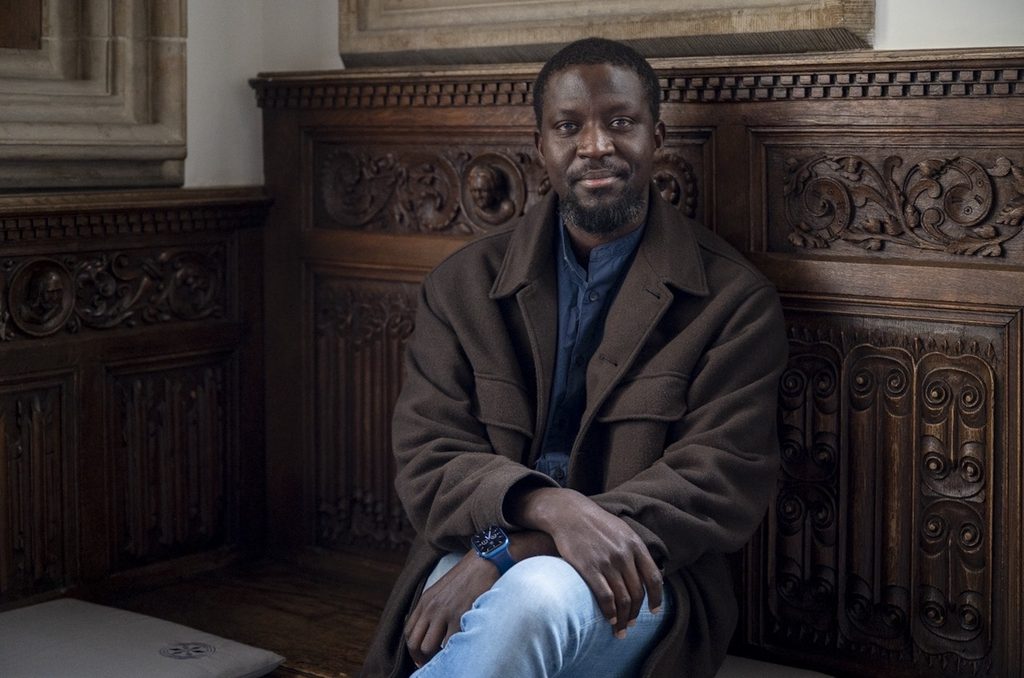
The exhibition The Harvest Season runs until 28 February 2027. Mahama did not make it alone. He invited nine artists and collectives he has worked with for years. The whole exhibition rests on what Mahama calls the active ruin. Factories, sacks and stools left behind by unfulfilled plans are neither restored to their original state nor approached with nostalgia. He keeps the traces of use and turns them into material for the future.
The artist who dresses architecture
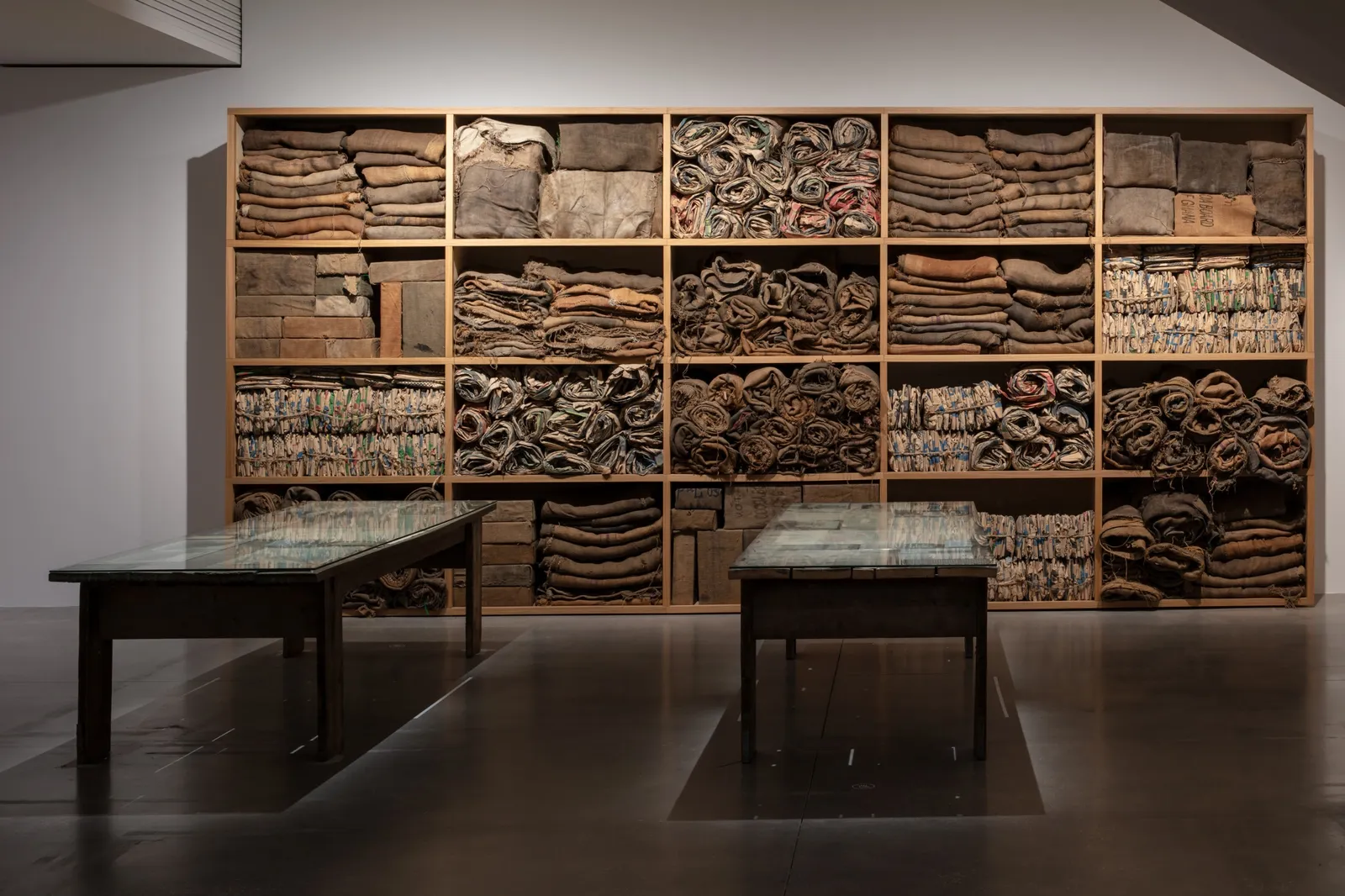
Ibrahim Mahama was born in 1987 in Tamale, northern Ghana. He became known for jute sacks once used to transport cocoa and charcoal. He stitches them into vast sheets and covers buildings with them. The sacks are signed, patched and stained by labour. Mahama speaks of them as ghosts, as the scars of history.
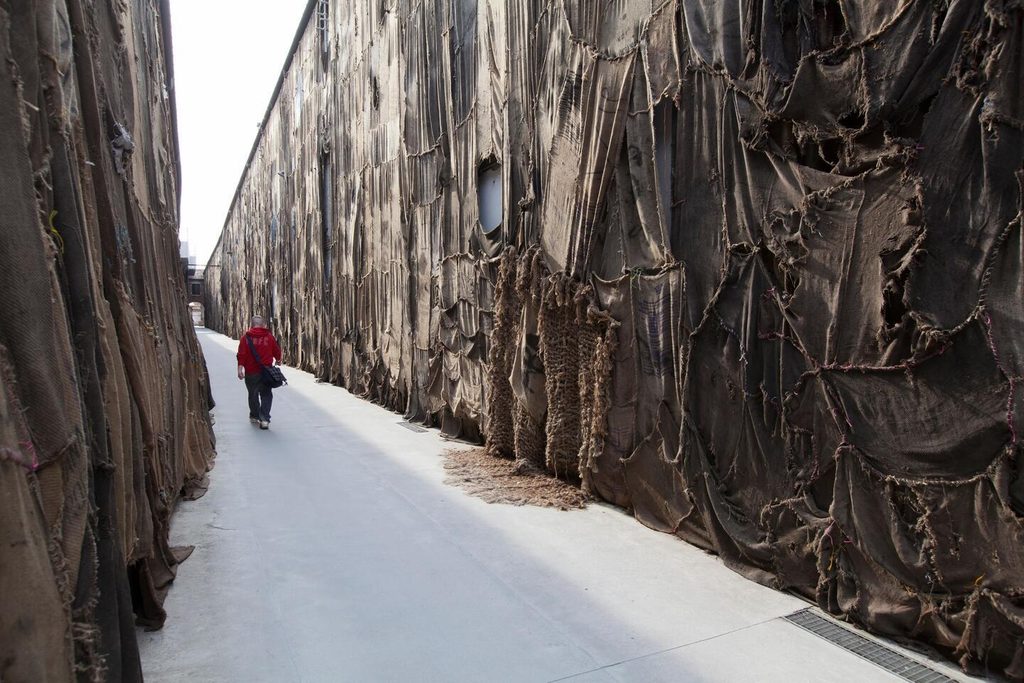
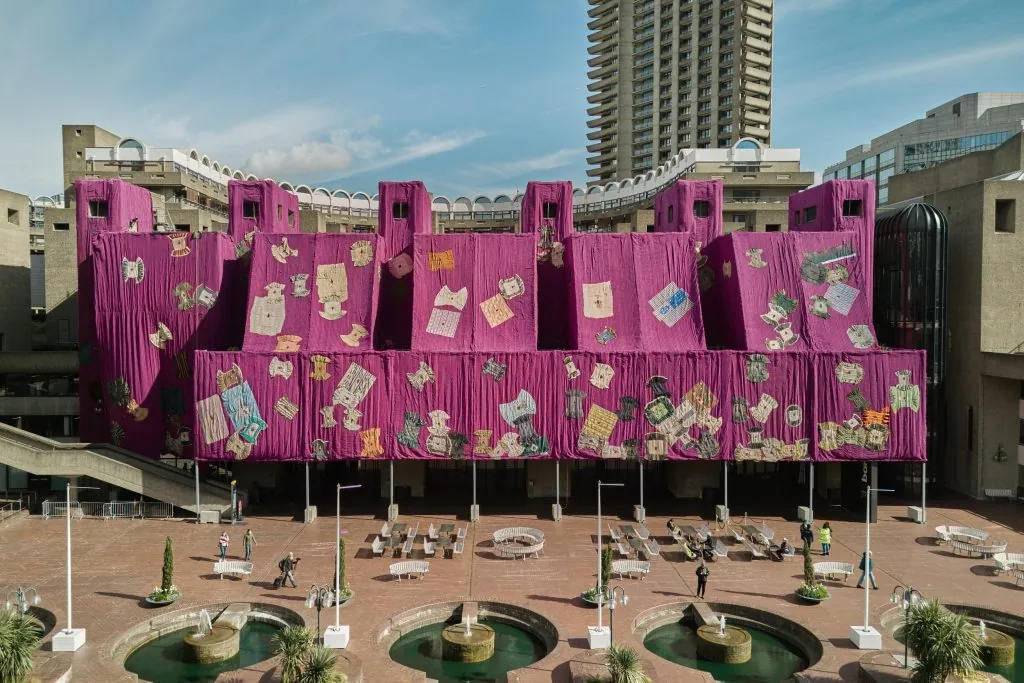
In 2015, Okwui Enwezor invited him to the Venice Biennale. He was the first artist to exhibit there while living and working in Ghana. At Documenta 14 in 2017, he wrapped buildings in both Kassel and Athens. In 2024, he dressed the brutalist terrace of London’s Barbican. Purple Hibiscus covered around 2,000 m² with handwoven pink and purple cloth, embroidered with a hundred royal batakari robes.
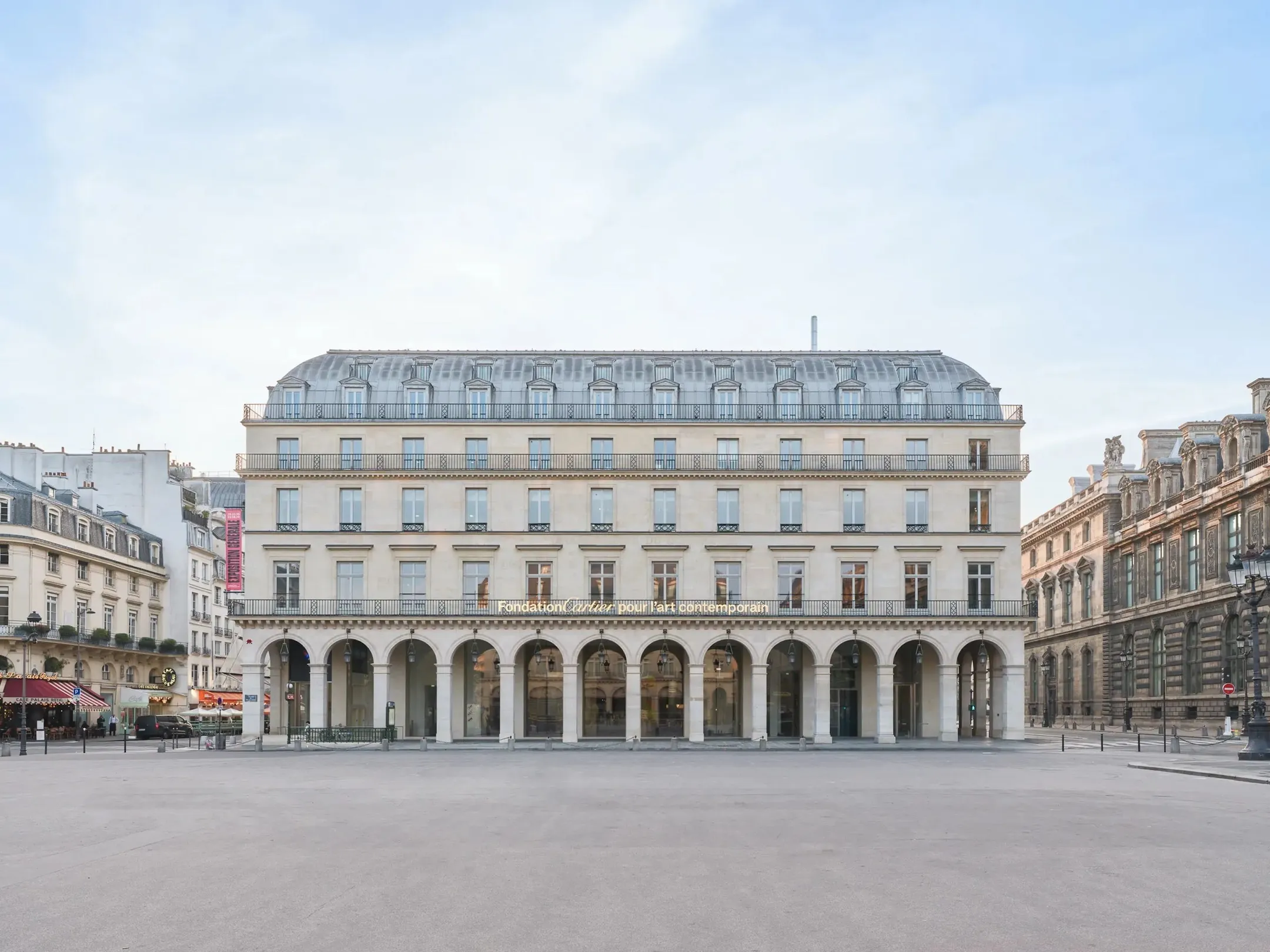
In Paris, he continues. His textiles hang on the arcades of the Fondation Cartier’s facade, visible from Place du Palais-Royal, opposite the Louvre.
The department store and the factory
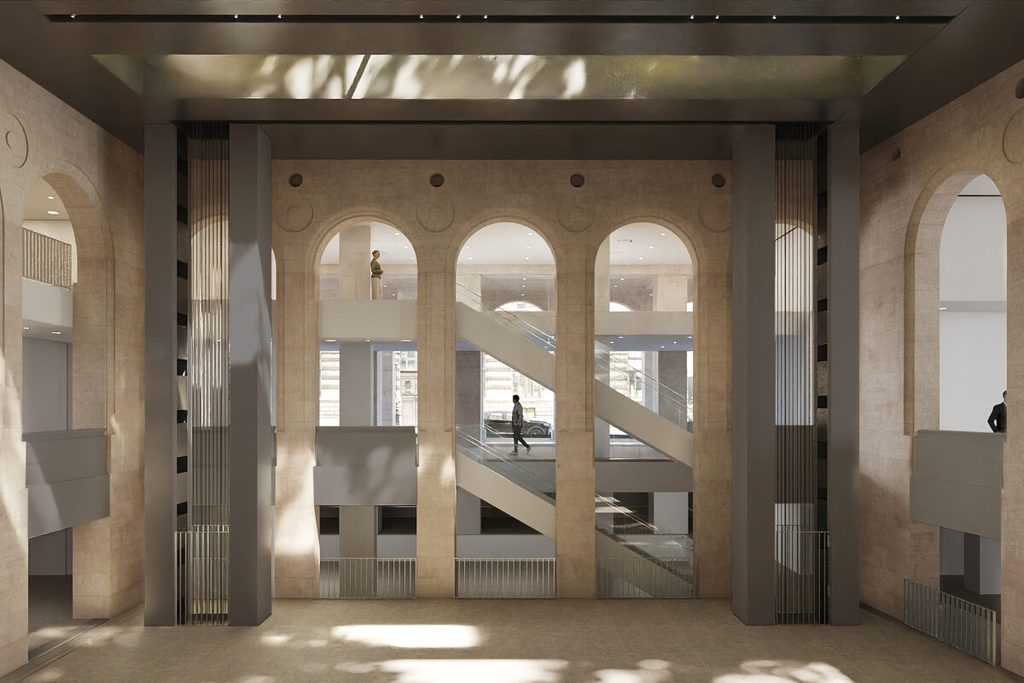
In October 2025, the Fondation Cartier moved from Boulevard Raspail to the centre of Paris. The building at 2 Place du Palais-Royal has a long history. It housed the Grand Hôtel du Louvre, then the Grands Magasins du Louvre department store and later the Louvre des Antiquaires. The interior was transformed by Ateliers Jean Nouvel. Nouvel also designed the foundation’s original glass building in 1994. The Harvest Season is the second major exhibition in the new building after the opening Exposition Générale, and Mahama and his guests occupy the entire space.
Things Fall Apart
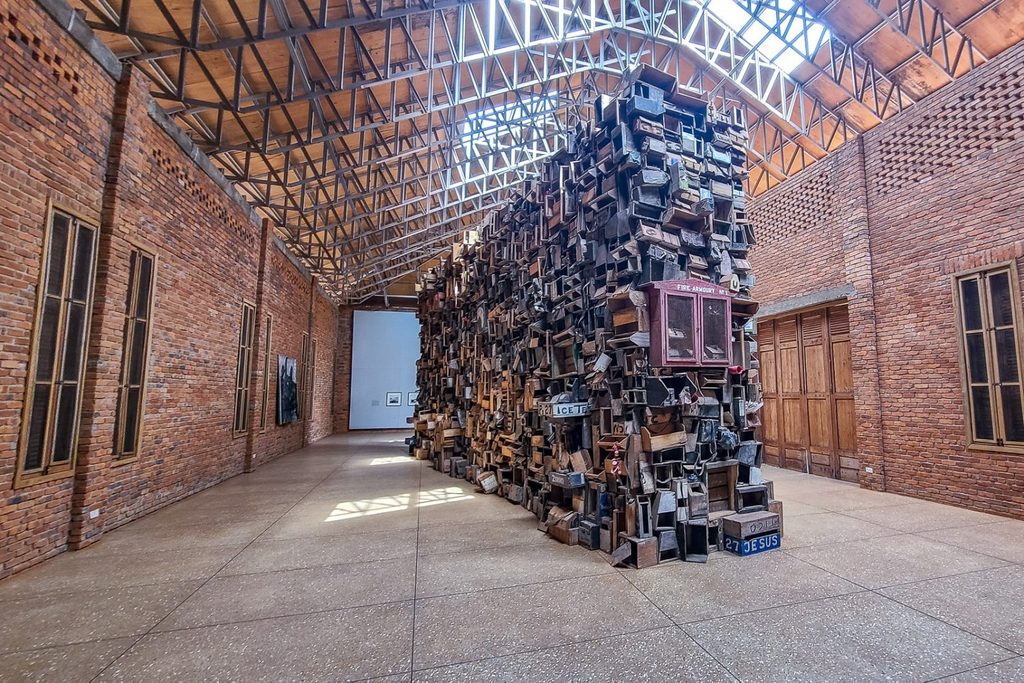
Into the former department store, Mahama brought a factory. Things Fall Apart is a reconstruction of a glass bottle factory in Aboso, south-western Ghana. It opened in 1966 as one of the last major projects of Ghana’s first president, Kwame Nkrumah, shortly before his fall. The factory later declined until it was abandoned. In 2024, Mahama bought it, dismantled it and moved its steel structures, moulds and bottles to his Red Clay centre in Tamale. Its title is borrowed from Chinua Achebe’s 1958 novel.
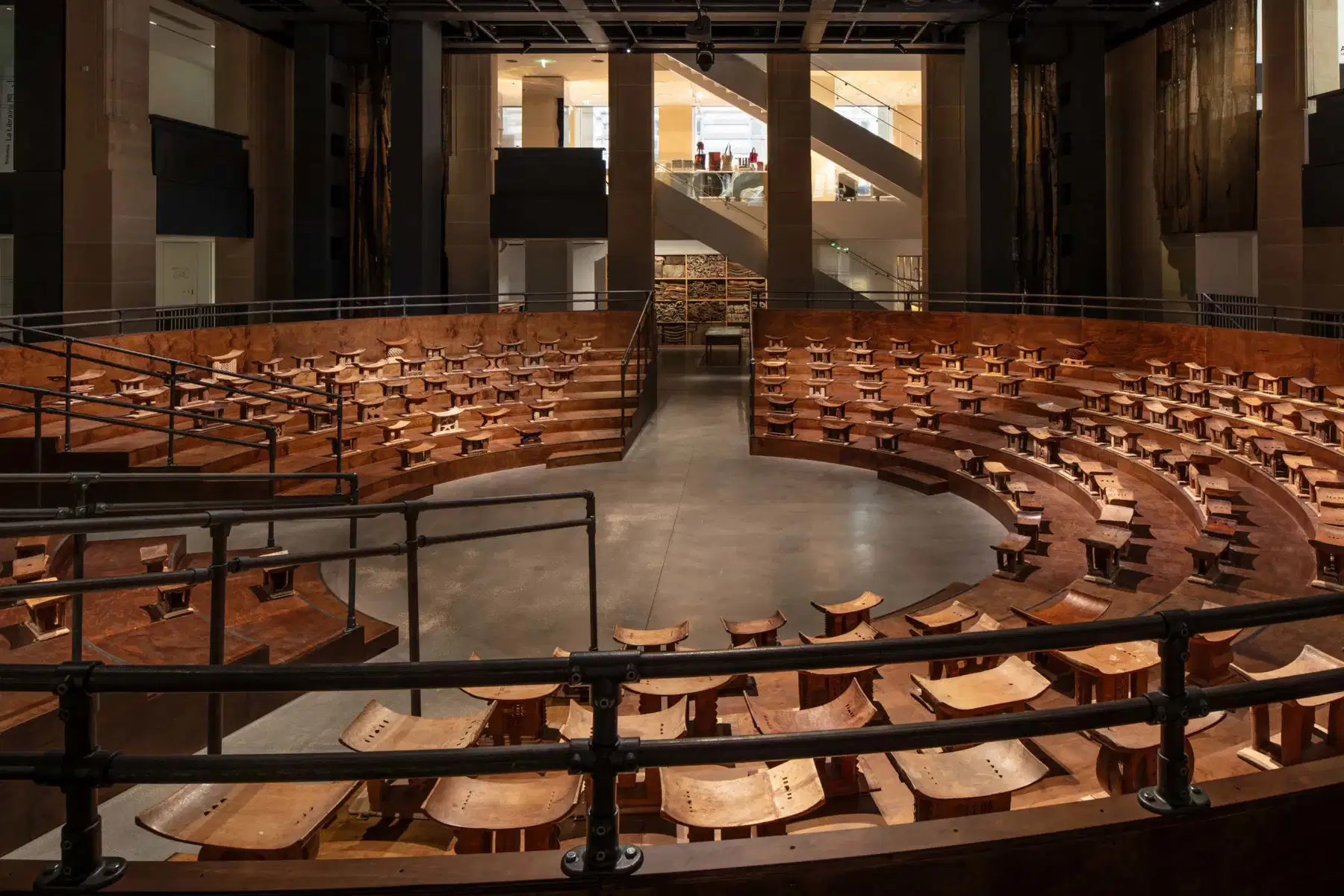
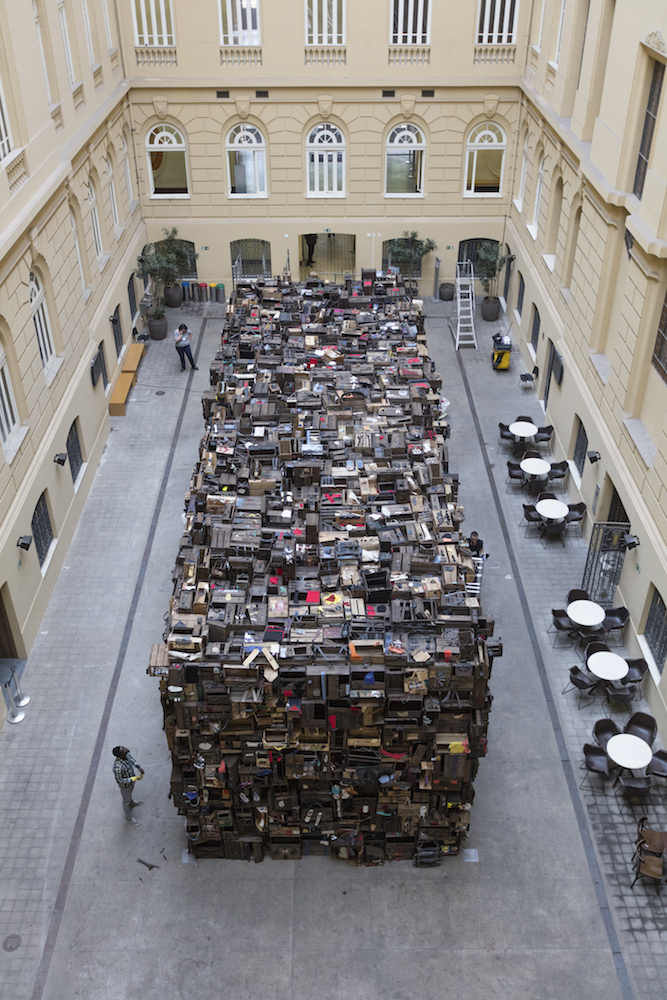
A second major work, Parliament of Ghosts, is a parliamentary chamber made of traditional wooden Ashanti stools on which visitors can sit. Empty, the parliament refers to the military coup of 24 February 1966 that overthrew Nkrumah. During the exhibition, it also serves as a stage for concerts, performances and debates. During the exhibition, it also serves as a stage for concerts, performances and debates.
“It is in the past that we can excavate the potential of the future,” says Mahama. For him, the future also lives in memories, in the form of unrealised futures.
Fashion: James Barnor and Drum magazine
The oldest of the invited artists is Ghanaian photographer James Barnor, aged 97. In 1953, he opened the Ever Young studio in Accra, where he photographed a society on its way to independence. In the late 1950s, he moved to London and photographed Swinging London and the everyday life of the African diaspora for the South African magazine Drum.

His photographs also have their own exhibition in Paris, Le Style dans le viseur. It hangs in the Galerie Valois in the Palais-Royal – Musée du Louvre metro station. The 1919 passage once connected the station to the Grands Magasins du Louvre, the very building that now houses the Fondation Cartier. Barnor photographed African women as modern, independent and sophisticated, unlike the Western fashion press of the time.
Music in the parliament
Mahama’s Red Clay centre is named after a song by Senegalese singer Youssou N’Dour, whom he listened to as a child. Music is also part of the exhibition. American singer and cellist Kelsey Lu, who has collaborated with Solange, Caroline Polachek and Kim Gordon, performed in Parliament of Ghosts. On 17 and 19 December, Zimbabwean choreographer nora chipaumire will present the Paris version of gadzi, a performance created at Tate Modern. On 24 and 25 February, Sierra Leonean artist Julianknxx will close the exhibition.
Yugoslavia in Paris
Among the invited artists is Tjaša Rener, born in 1986 in Yugoslavia and living in Ghana since 2013. Mahama had already invited her to the Ljubljana Biennial of Graphic Arts, which he curated in 2023. There, she reconstructed the living room of Metoda Appiah, a Slovenian woman living in Accra.
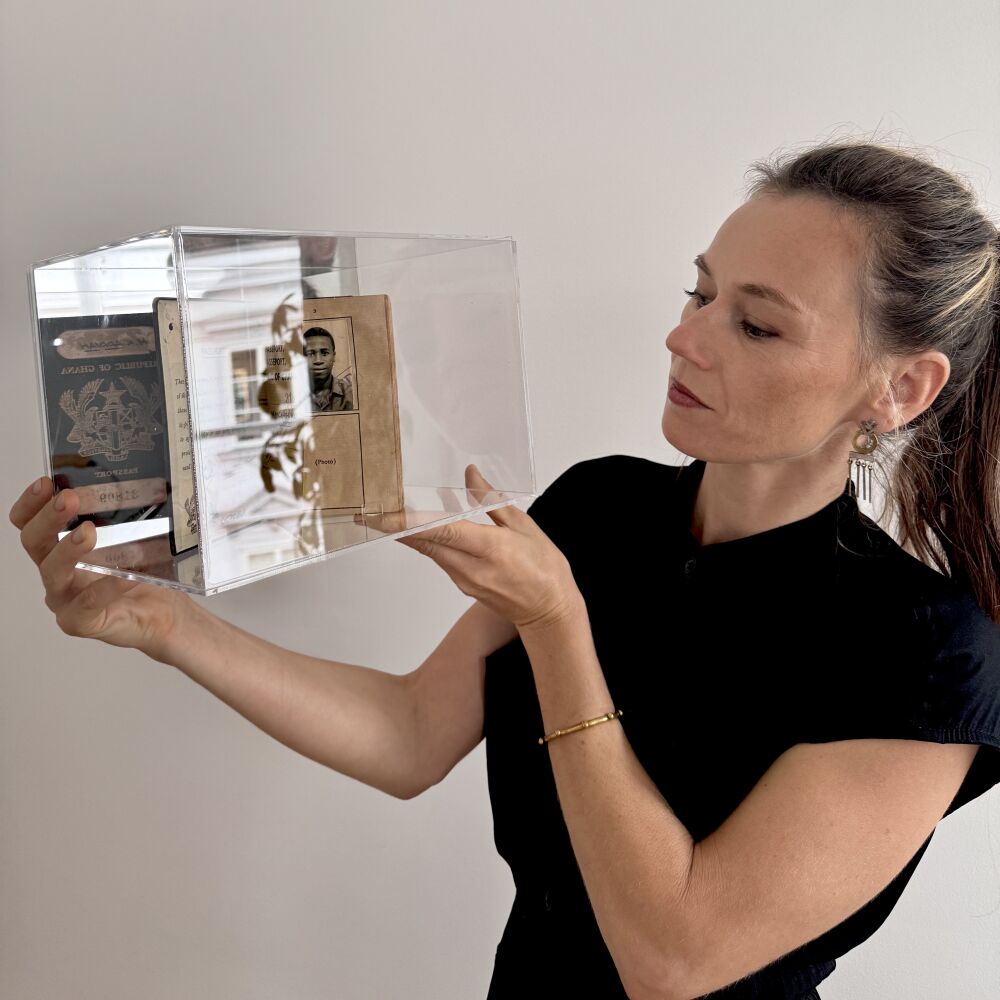
In Paris, she presents Between Arrival and Belonging (2026). Documents and photographs from the 1960s and 1970s tell the story of the Non-Aligned Movement. It was founded in Belgrade in 1961, with Tito, Nehru and Nkrumah among its founders. In March of that year, Tito visited Ghana.