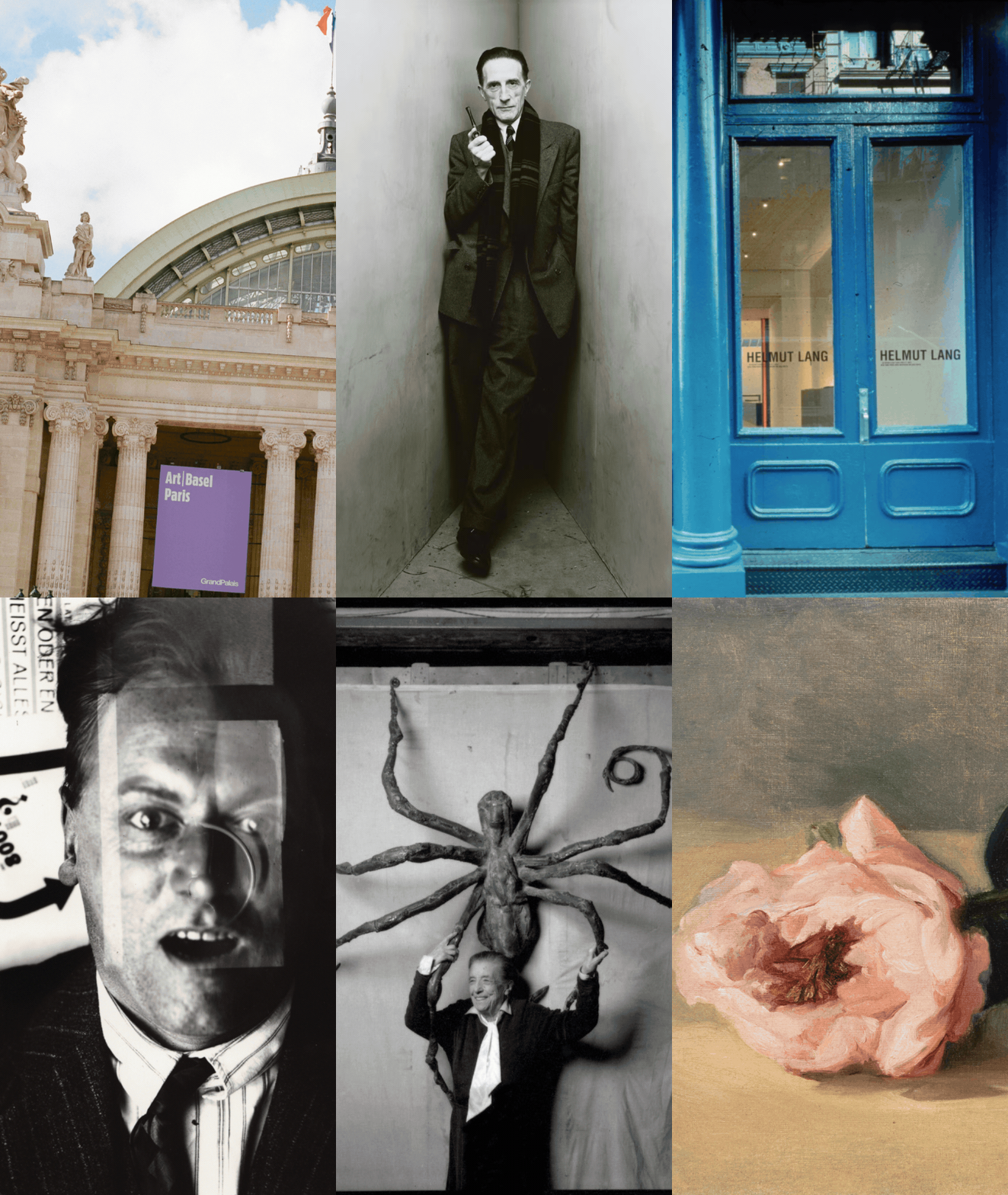
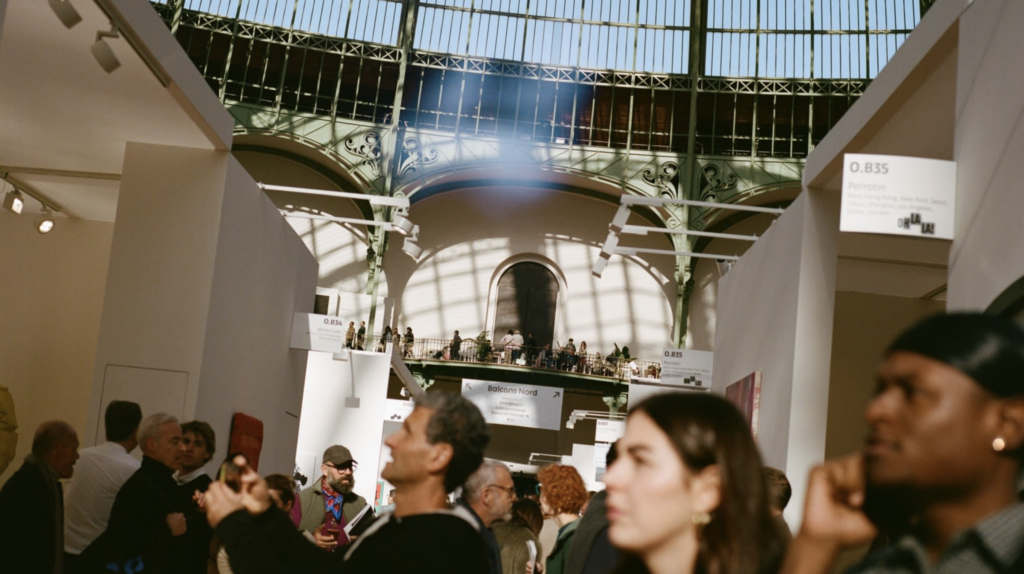
Art Basel Paris doesn’t stop at the threshold of the Grand Palais during its week. It spills out across the whole city. Leading Paris museums are opening their most significant exhibitions of the year right now. Kerry James Marshall gets his first French retrospective. The Pinault Collection celebrates two hundred years of photography with nearly seven hundred works. Across the city, a strong line-up of women artists also emerges, from Mary Cassatt to Louise Bourgeois.
A Year That Belongs to Women
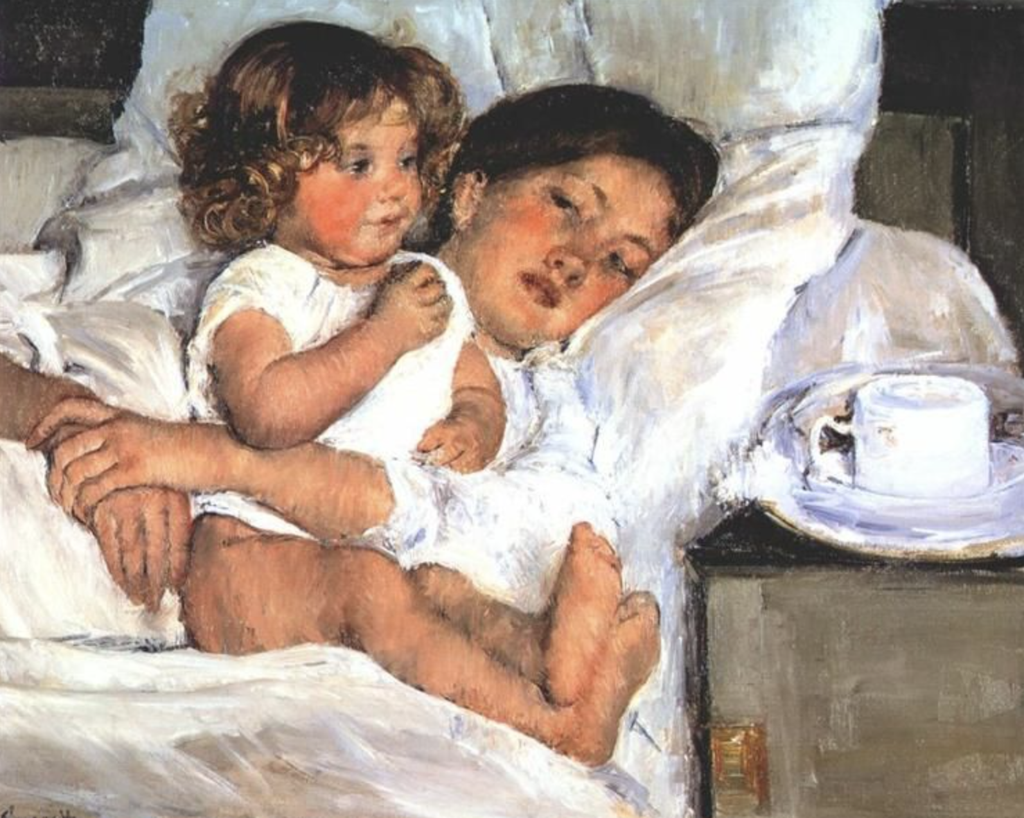
The Musée d’Orsay presents two exhibitions at once, dedicated to Mary Cassatt (1844–1926) and Jenny Holzer (b. 1950). Cassatt, notably, was the only American accepted into the circle of French Impressionists. She exhibited with the group four times, in 1879, 1880, 1881 and 1886, more than most of her male colleagues. Throughout her life, moreover, she depicted mainly women and children in private, domestic scenes. Despite spending nearly her entire adult life in France, art history still tends to sideline her somewhat as “that American.”
Holzer, by contrast, works with text as a visual material. In 1982, her short, unsettling sentences, the so-called Truisms, appeared on a large illuminated board right in Times Square. Later, her texts turned up on T-shirts, caps and stone benches too.
I smell you on my skin
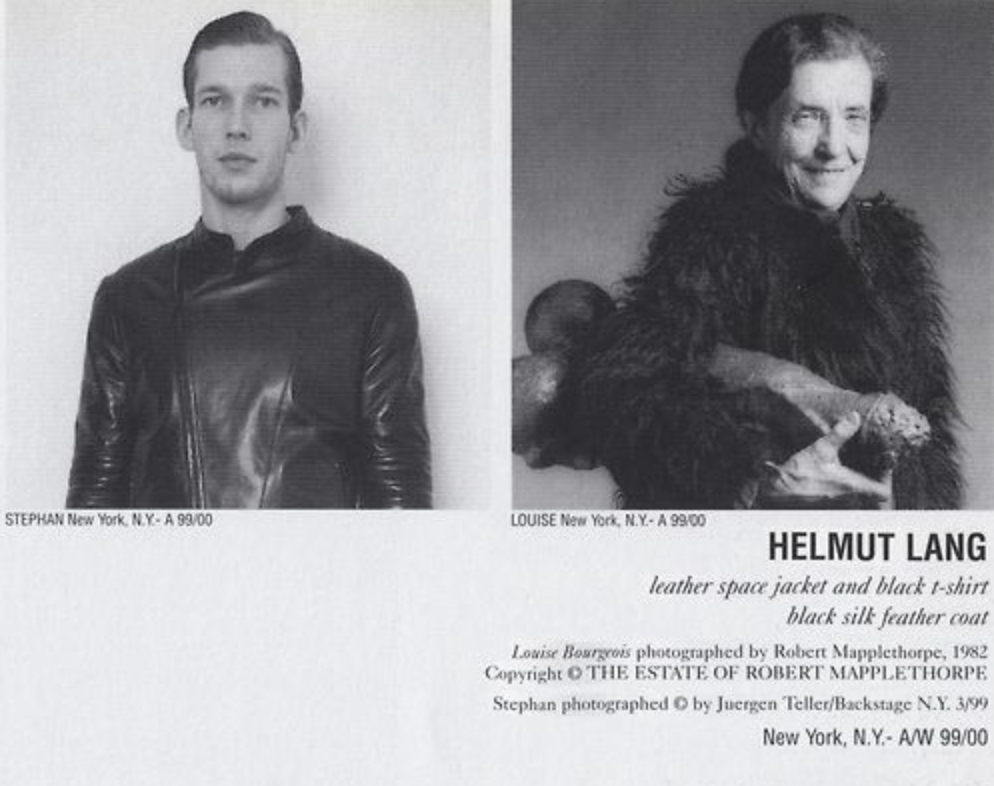
→ Fun fact: In the mid-90s, Jenny Holzer collaborated with Austrian fashion designer Helmut Lang. At the Florence Biennale in 1996, they created a work together in which her text was accompanied by a scent Lang had custom-composed. He later used the line “I smell you on my skin” as the basis for his official perfume. Her LED installation, meanwhile, lit up his flagship store in New York’s SoHo.

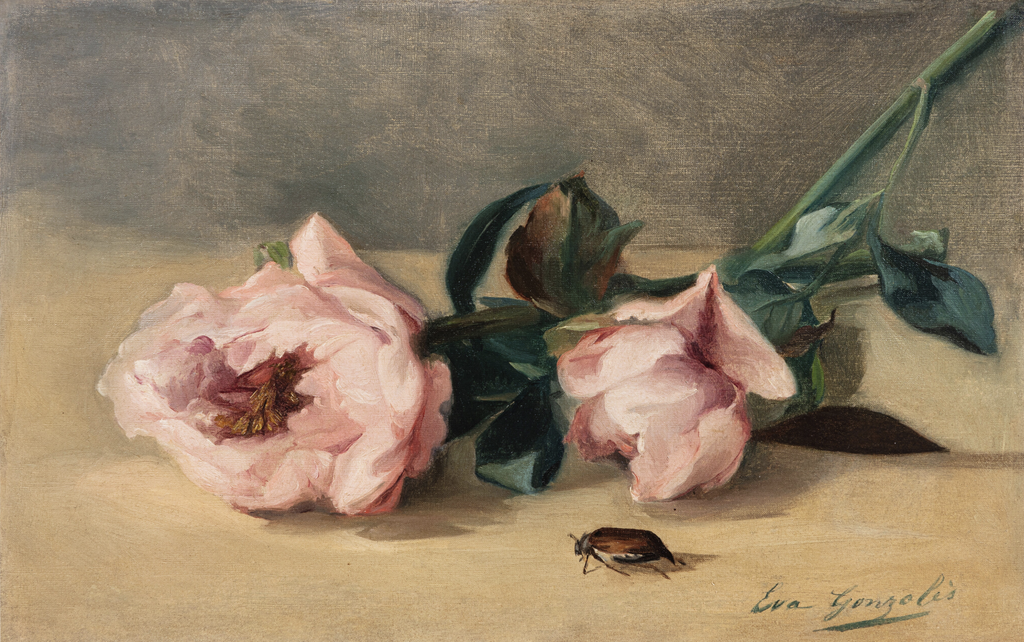
The Petit Palais is devoted to Eva Gonzalès (1847–1883) and Prune Nourry. Gonzalès, notably, was Édouard Manet’s only official student. She died at just thirty-six, shortly after giving birth to her son.
The Musée d’Art Moderne de Paris has prepared an exhibition on Simone Fattal, the Lebanese artist who works in sculpture, ceramics and poetry. Louise Bourgeois, meanwhile, gets space at the Bibliothèque nationale de France.
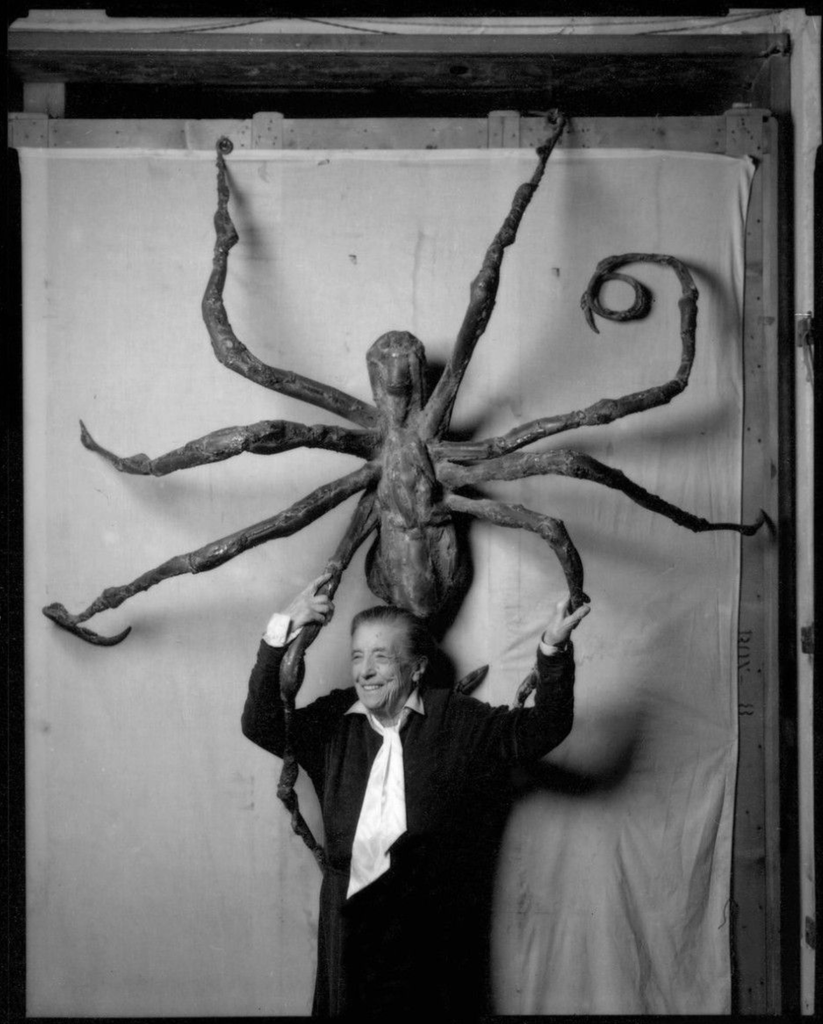
→ Fun fact: Bourgeois created her famous spider sculpture Maman in 1999, standing over nine metres tall. She made it as a tribute to her own mother, who worked in the family workshop restoring tapestries. The artist compared her mother to a spider, both, she said, were patient weavers, capable and protective. Beneath the sculpture’s body hangs a sac full of marble eggs, a direct reference to the motherhood the whole piece symbolizes.
Schwitters and Dada
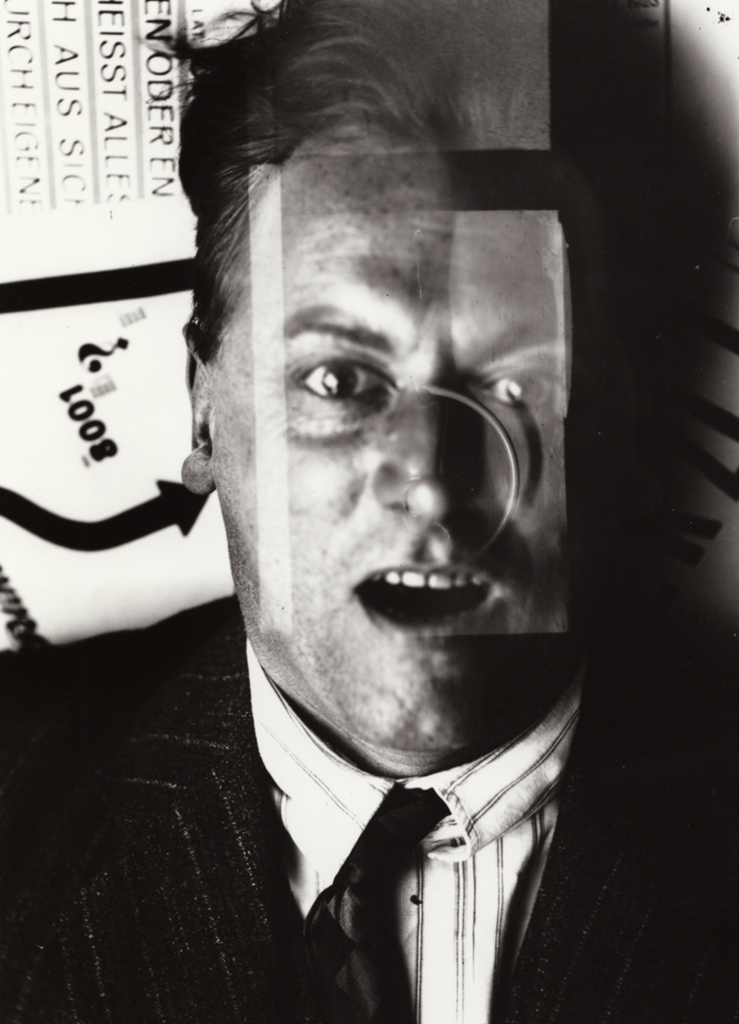
The Musée Picasso is showing a major exhibition, Total Schwitters, dedicated to the German artist Kurt Schwitters (1887–1948). After the First World War, he was drawn to the Dada movement. The Berlin Dadaists themselves, however, refused to accept him into their ranks, supposedly because he struck them as too “bourgeois.”
He therefore founded his own movement, which he named Merz, a word he invented from a fragment of text on one of his collaged newspapers. He collected rubbish straight off the street, train tickets, wooden spools, cigarette packets, and assembled them into harmonious, almost sentimental compositions.
→ Fun fact: In his house in Hanover, Schwitters built an enormous, years-in-the-making three-dimensional installation called the Merzbau. It had dozens of niches, each dedicated to a specific friend. Allied bombs later destroyed this first version. He nonetheless began building a second one in Norway, where he fled the Nazis, and that one was destroyed by fire. He never managed to finish a third, in England, before his death.
200 Years of Photography
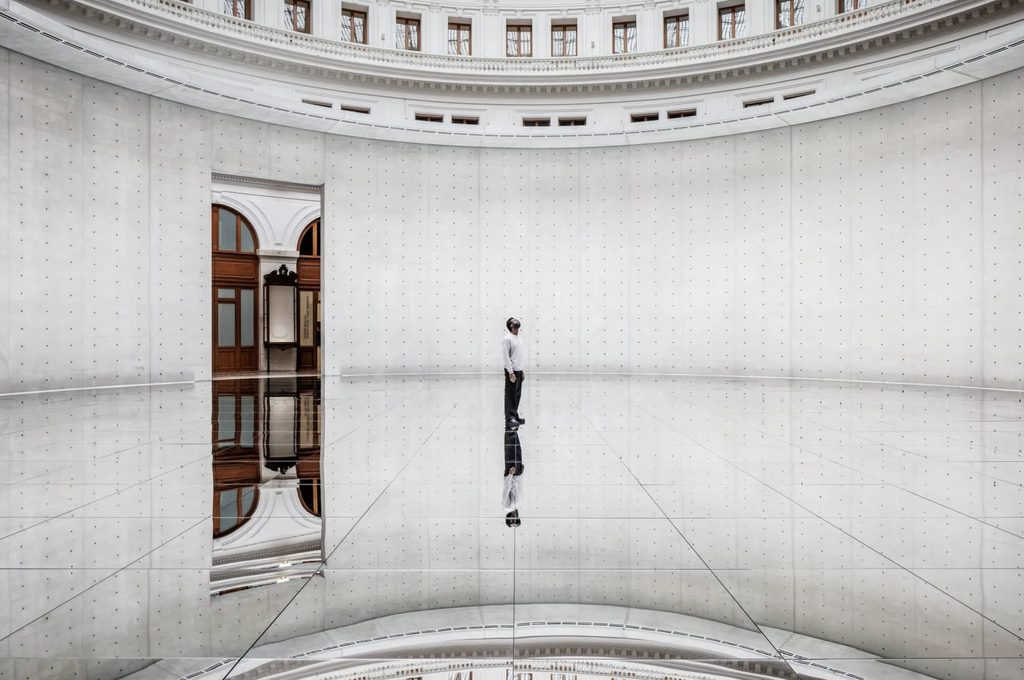
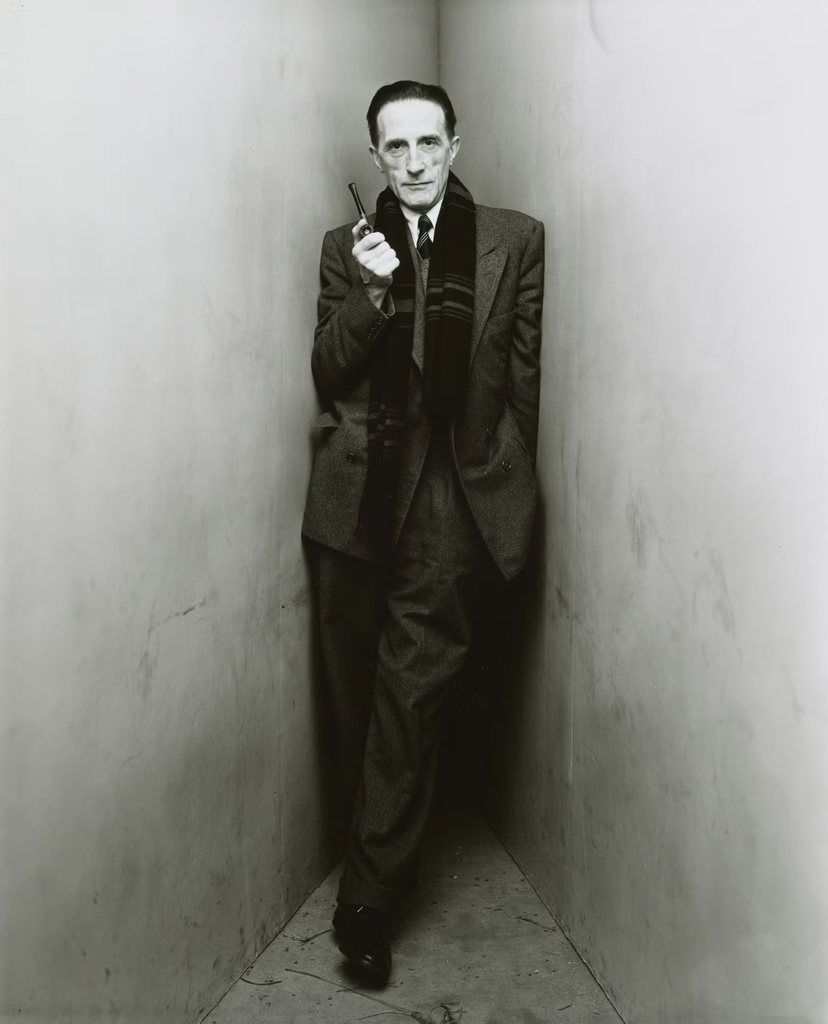
The Bourse de Commerce, home to the Pinault Collection, opens the exhibition Remember Me on 7 October, nearly 700 works by more than 70 artists, marking the 200th anniversary of the invention of photography. The exhibition isn’t chronological. It functions instead as a free-flowing encounter between works across styles and eras, from Gustave Le Gray through Dorothea Lange to Cindy Sherman and Wolfgang Tillmans. The Maison Européenne de la Photographie (MEP), meanwhile, is devoted to Irving Penn (1917–2009) and his relationship with fashion.
→ Fun fact: Penn originally wanted to be a painter. He came to photography almost by accident, joining Vogue in 1943 to design covers. When a photographer once fell through for one of them, he simply shot it himself. He went on to become one of the most influential fashion photographers of the century. His younger brother, Arthur Penn, meanwhile made his name as a film director, directing the cult film Bonnie and Clyde.
Marshall a Mahama
The Musée d’Art Moderne de Paris presents the first exhibition in all of France dedicated to Kerry James Marshall (b. 1955), running from 18 September to 24 January. The Histories travels here directly from London’s Royal Academy and the Kunsthaus Zürich. It features seventy works spanning more than four decades of his career, including eight entirely new paintings.
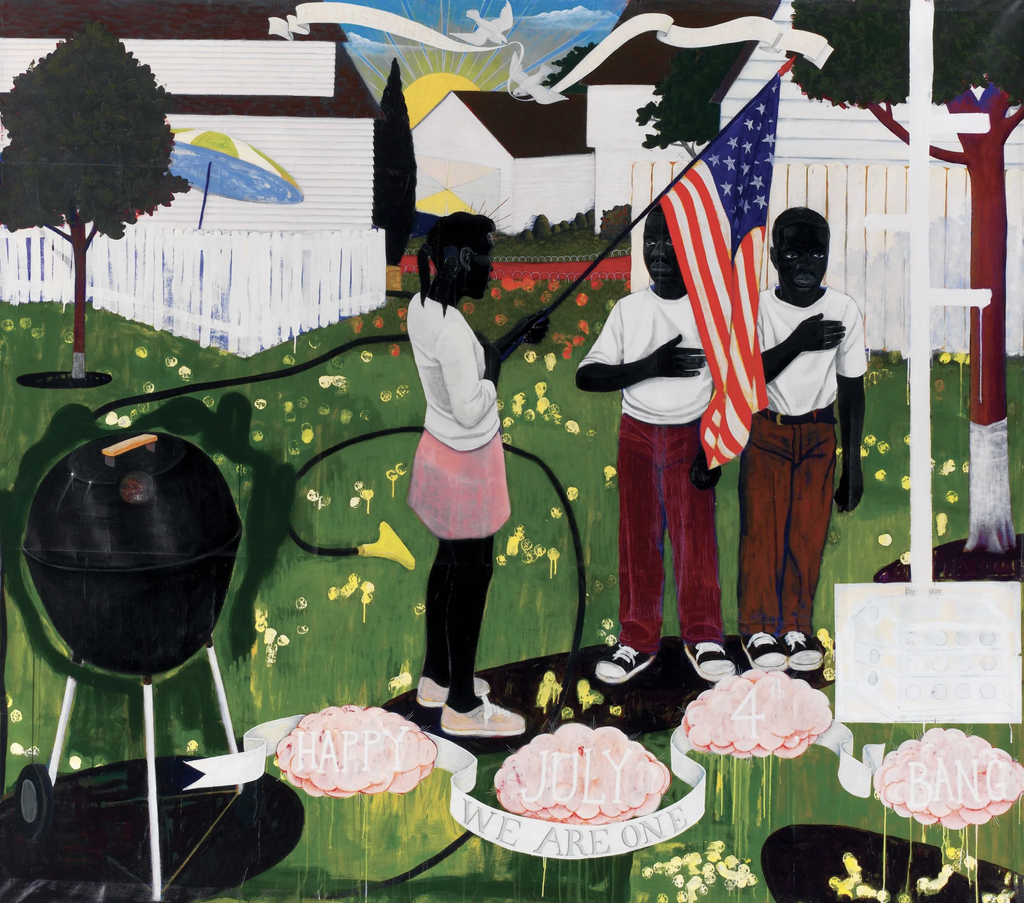
Marshall places Black figures at the centre of large, monumental compositions, turning an ordinary, everyday moment into something epic. He inserts them directly into the archetypes of art history, the compositions and poses that painting long reserved for white figures alone.
With this exhibition, the Paris museum continues its series of pioneering monographic shows dedicated to Black American artists, having previously hosted solo exhibitions of Kara Walker and Jean-Michel Basquiat.
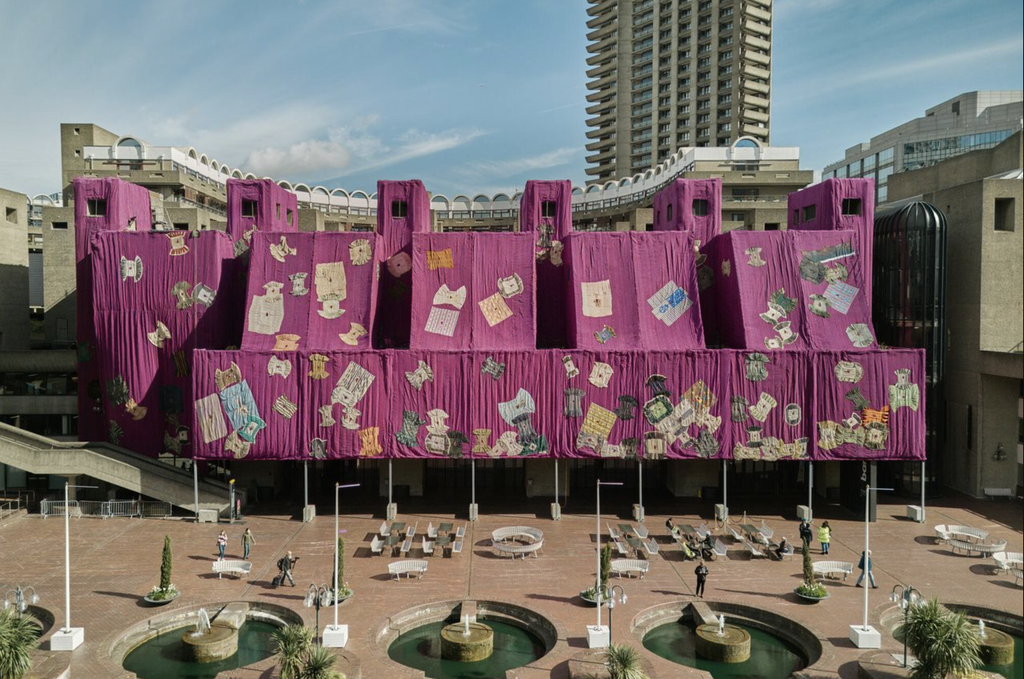
Ghanaian artist Ibrahim Mahama, meanwhile, exhibits at the Fondation Cartier pour l’art contemporain. Mahama is known for monumental installations made from jute and used sacks, materials tied to trade and labour in West Africa.
Three Buildings Worth the Trip
The Fondation Louis Vuitton presents an exhibition on the collector Gustave Fayet. The building itself, twelve glass “sails” by Frank Gehry, is just as much of a star.
Lafayette Anticipations shows Yu Nishimura and Hélène Fauquet. Rem Koolhaas gave it a mechanized tower that shifts depending on what the exhibition needs, a building we mentioned already in connection with Martin Margiela.
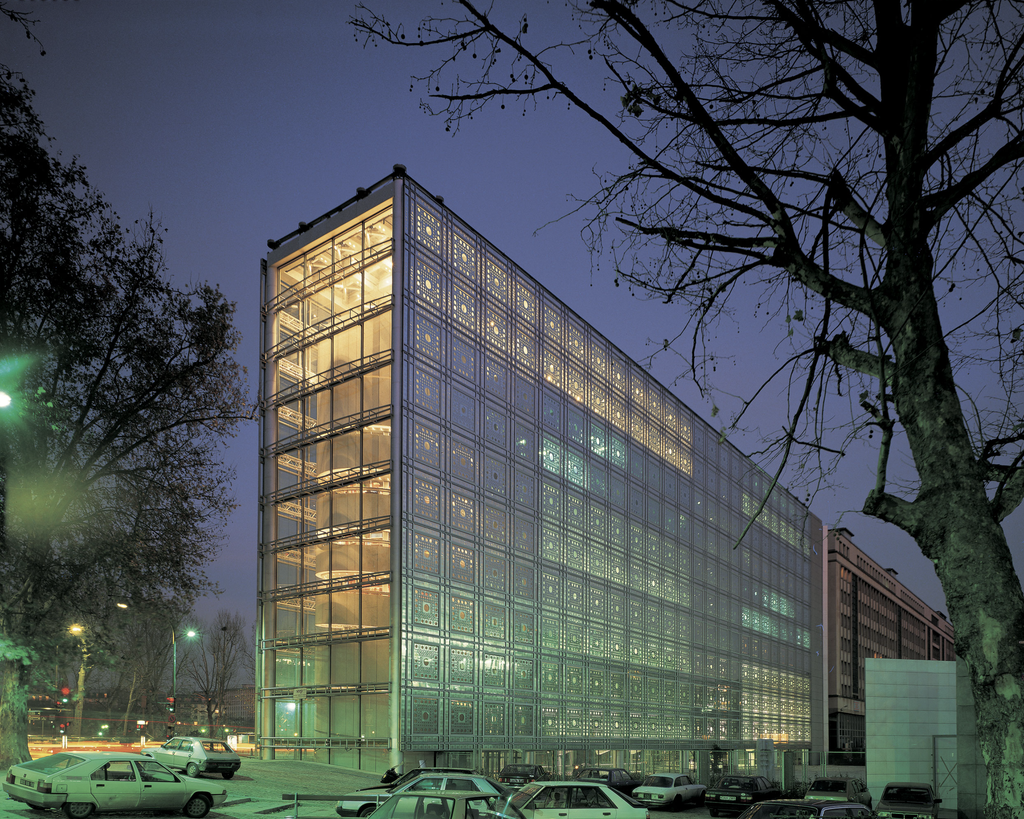
The Institut du Monde Arabe has prepared Mariages, on the wedding traditions of Algeria, Morocco and Tunisia. Its façade by Jean Nouvel is made of thousands of metal circles that open and close on their own according to the sunlight, just like a camera’s aperture.