During Frieze week, Dover Street Market London turned into a bazaar of limited editions, book signings and encounters. The most interesting thing left from that evening, however, is not new at all. It is Six, the magazine Rei Kawakubo published from 1988 to 1991. Now it is back, and you can see it in the store for about another month.
A store that is not a store
If you don’t know Dover Street Market, you might first picture a luxury department store. That picture quickly stops fitting. DSM was founded in 2004 by Rei Kawakubo, founder of Comme des Garçons, and her husband Adrian Joffe, president of Comme des Garçons International.
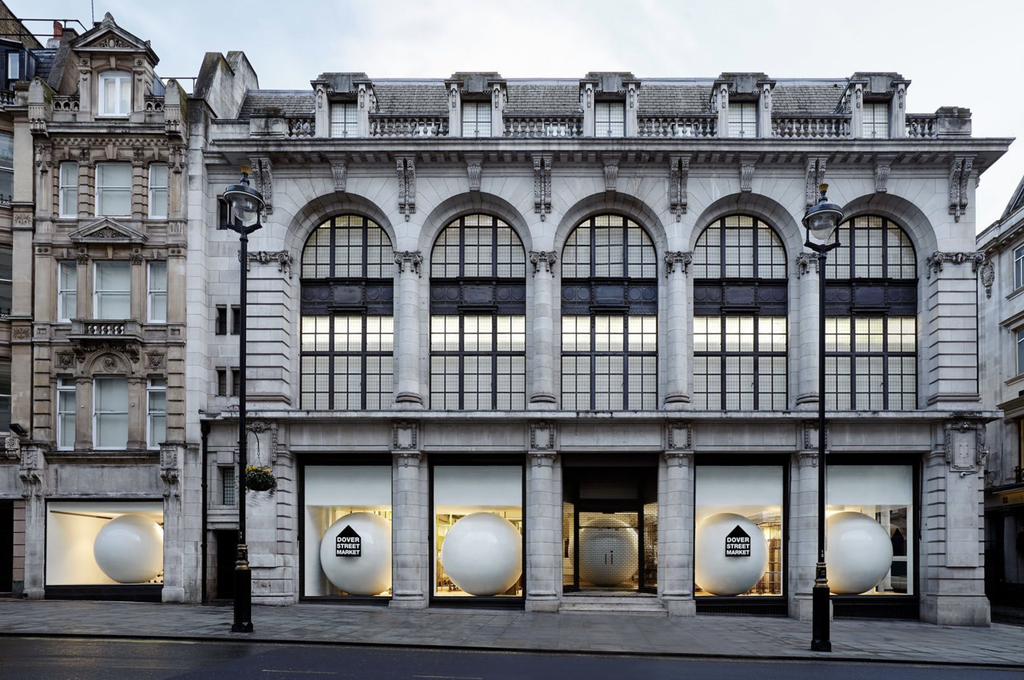
The store kept its name from its first address on Dover Street in London’s Mayfair. In 2016 it moved to a listed building on Haymarket, near Piccadilly Circus. Thomas Burberry built it in 1912. Kawakubo kept the facade, the ceilings and the staircase and transformed everything else.
Under one roof, major fashion houses hang next to small independent labels, art objects, books and magazines. The interior is rebuilt regularly. Each brand designs its own “island”, so every floor looks different. It is more a curated space than a shop: something between a gallery, a boutique and an exhibition that never ends. Today DSM has branches in Tokyo, New York, Paris and other cities, but London is the original.
The evening of 15 October
Every year during Frieze, London’s biggest contemporary art fair, DSM turns into a kind of bazaar. Artists and fashion designers prepare limited editions sold only on these days. This year, on the evening of 15 October, book signings, launches and small happenings took place across the whole building. Rose Bakery, the café inside the store, served coffee.
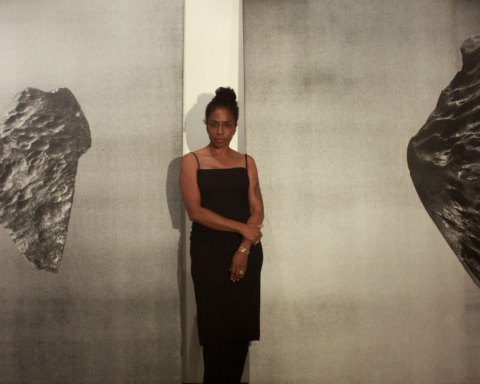
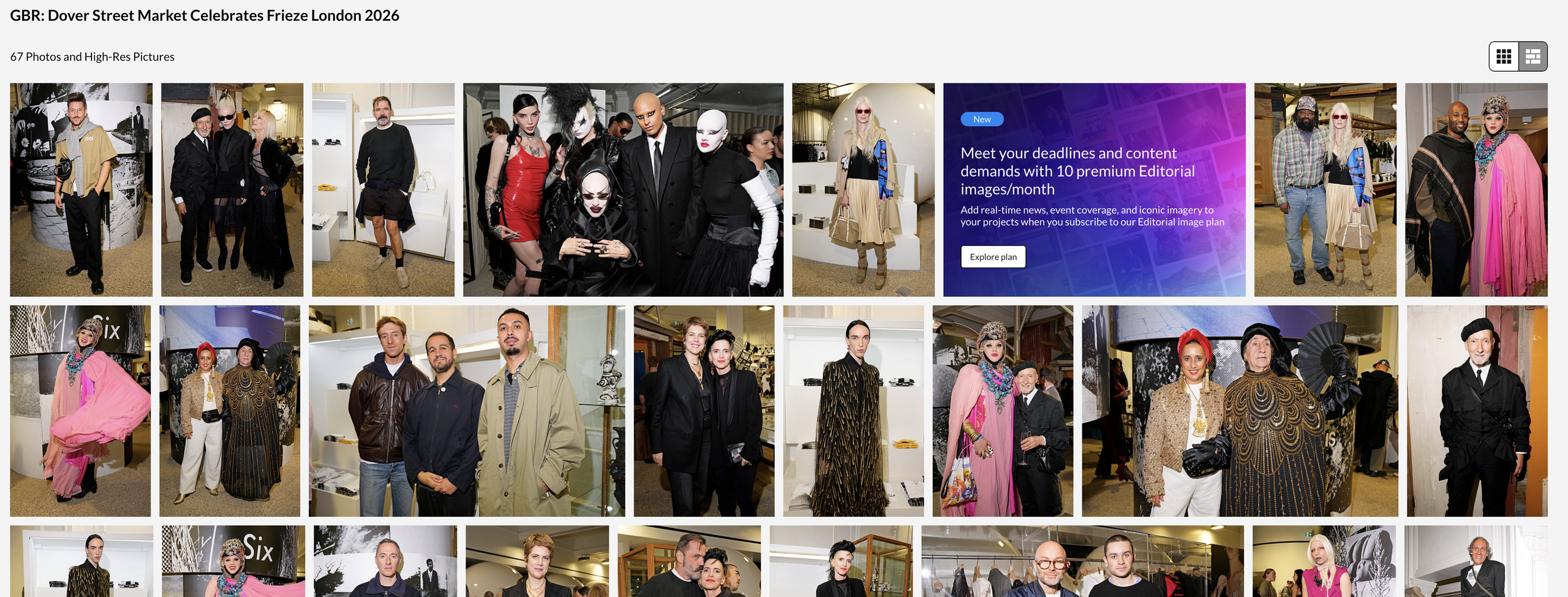
The names included Marc Quinn, Martine Rose, Matières Fécales, Michèle Lamy with Sissy Misfit, Tim Walker, Quil Lemons, Susie Cave, Tremaine Emory and Ministry of Sound. The last name matters for this article, but we will come back to it.
Of everything that appeared that evening, one thing stayed in the store. Six.
A magazine about a sense that cannot be described
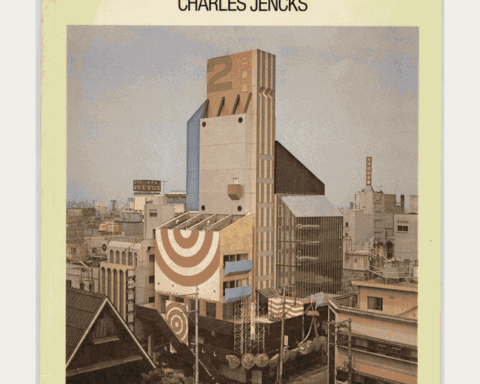
In 1988 Rei Kawakubo began publishing Six, named after the sixth sense. Eight issues came out, and it ended in 1991. It was not for sale. Comme des Garçons gave it away free to clients and journalists. The first two issues had huge loose pages that were not even bound.
At first glance, you could call Six a brand catalogue. Yet Comme des Garçons clothes appeared in it only rarely. Kawakubo once said that high fashion must hold a sense of mystery. Six was exactly about that. It was not meant to show clothes, but the mood and the idea they grow from.

Graphic designer Tsuguya Inoue shaped the look of Six. Instead of a series of photos, he placed images side by side that resembled each other in some way. Karl Blossfeldt’s plant details, for example, sat next to hats shaped like sculptures.
One trick shows it best. A hole was cut into the page with a portrait of the poet Jean Cocteau. Through it you could see a photo from the next page, a Comme des Garçons campaign. When you closed the page, Cocteau, who died back in 1963, suddenly seemed to wear a jacket from the Homme Plus collection.
Great names of photography also contributed, including Robert Frank, Josef Koudelka, Saul Leiter and Peter Lindbergh. In the end, Lindbergh had the most pages across all eight issues.
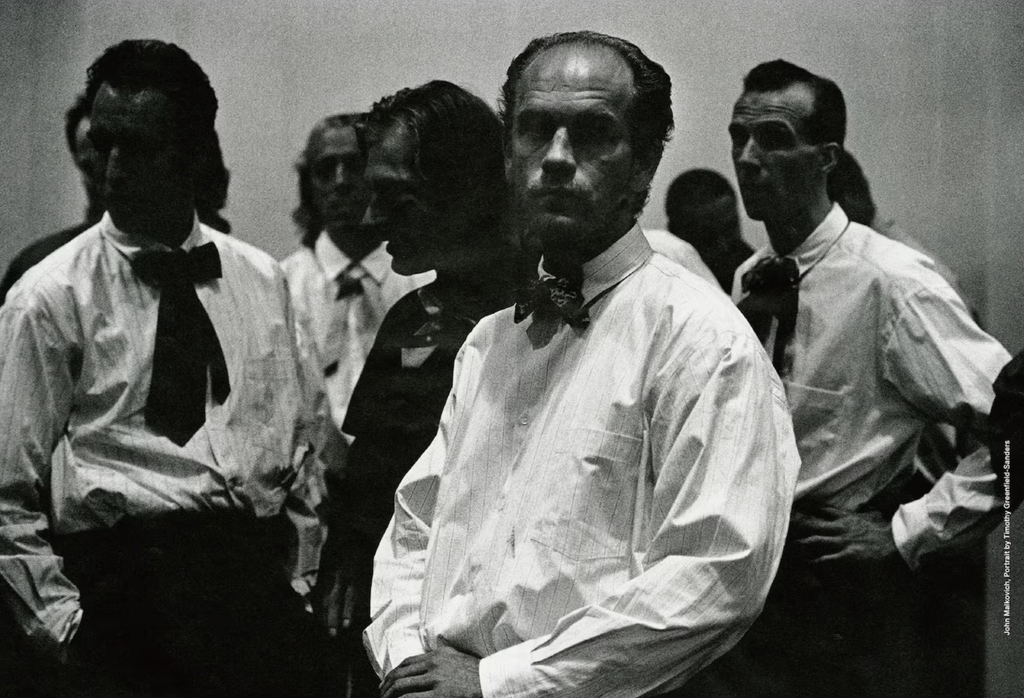
What happened in Britain in those same years is telling. Six began in 1988, the same year student Damien Hirst organised the exhibition Freeze in an empty building in Docklands. The YBA generation grew out of it. The last issue came out in 1991. That year the gay and lesbian night Flesh started at Manchester’s Haçienda. In a former bus garage in London’s Elephant & Castle, the club Ministry of Sound opened. While Britain invented new art and a new club culture, Tokyo produced a fashion magazine that barely dealt with clothes at all.
Six is new again
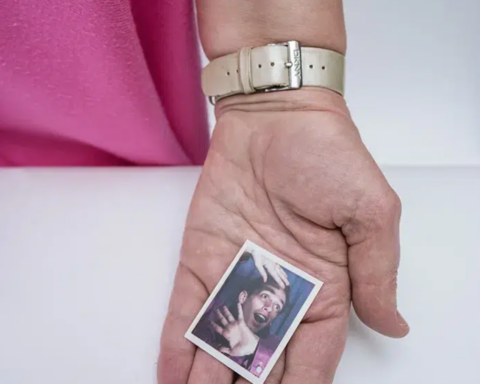
This year Six returned in the form it once started in: as printed matter sent to clients. Every year Comme des Garçons mails printed packages to selected customers. Internally, the brand calls them “DMs”. The 2026 edition reprints covers and archive pages of Six. It adds work by contemporary photographers such as Jack Davison and Flor Garduño. Kawakubo chose everything herself. Only clients in Paris, London and Japan received the packages.
“Six is new again,” says Adrian Joffe. There is a small joke in it that only a careful reader of the old issues would catch. Right next to its definition of the sixth sense, the first issue noted, rather dryly, that in Japan it was once fashionable to put the prefix “new” in front of words.
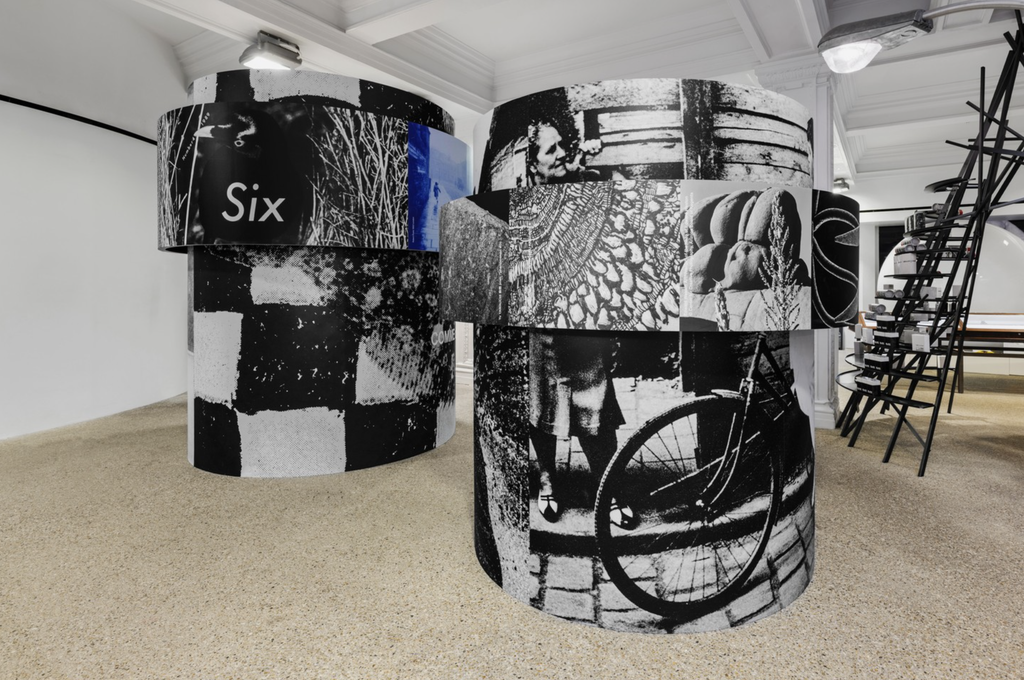
From paper, Six moved into space. The installations are spatial translations of the mailings. They appeared in exactly the three cities the packages went to. Joffe says there will be only these, and no more.

A magazine page as architecture
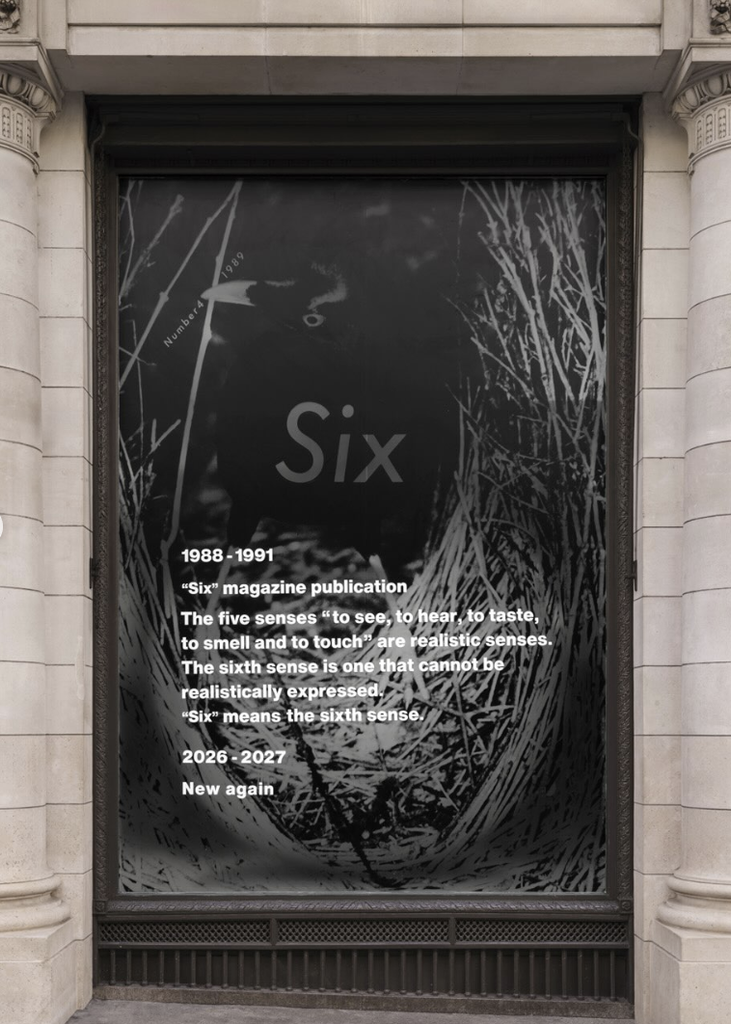
In London, Kawakubo designed the Haymarket windows and the whole ground floor. She timed it for Frieze. It is the first time since the 2016 move that Six has had this kind of space in the store. Enlarged archive pages are visible from the street through the windows. Inside, they continue on the columns.
Six looks different in each city because it adapts to the building. In Paris this spring, the magazine’s pages wrapped around metal pipes in the courtyard. In Tokyo, black and white collages wrap around the store’s columns, outside and inside. In London, they hang in the windows.
In my article about the Tate exhibition, I wrote that British art of the 1990s was made in buildings nobody wanted. Back then, Rachel Whiteread cast the inside of a house due for demolition in concrete. She turned empty space into sculpture. Six goes the opposite way. It turns a flat magazine page into space. And it happens in a building that was once Burberry’s headquarters and now belongs to someone else entirely.
A game across the city
You can read Frieze week as a list of events. It is more interesting to read it as a chess game, with pieces moving between boards.
While Six hangs at DSM, Tate Britain is showing an exhibition on the 1990s. That decade begins roughly where Six ended. Ministry of Sound was a guest at DSM on 15 October. It also belongs to the club culture that Tate devotes a whole section to. Tim Walker appeared on the DSM programme that evening. His name links to British fashion photography, represented at Tate by Corinne Day, Nick Knight and David Sims. Craig McDean is among the 1990s photographers at Tate. He also recently opened an exhibition in Tokyo, so he is literally on two boards at once. And McQueen, sponsor of the Tate exhibition, announced the departure of its creative director Seán McGirr on 15 October, the day of the DSM evening, according to Hypebeast.
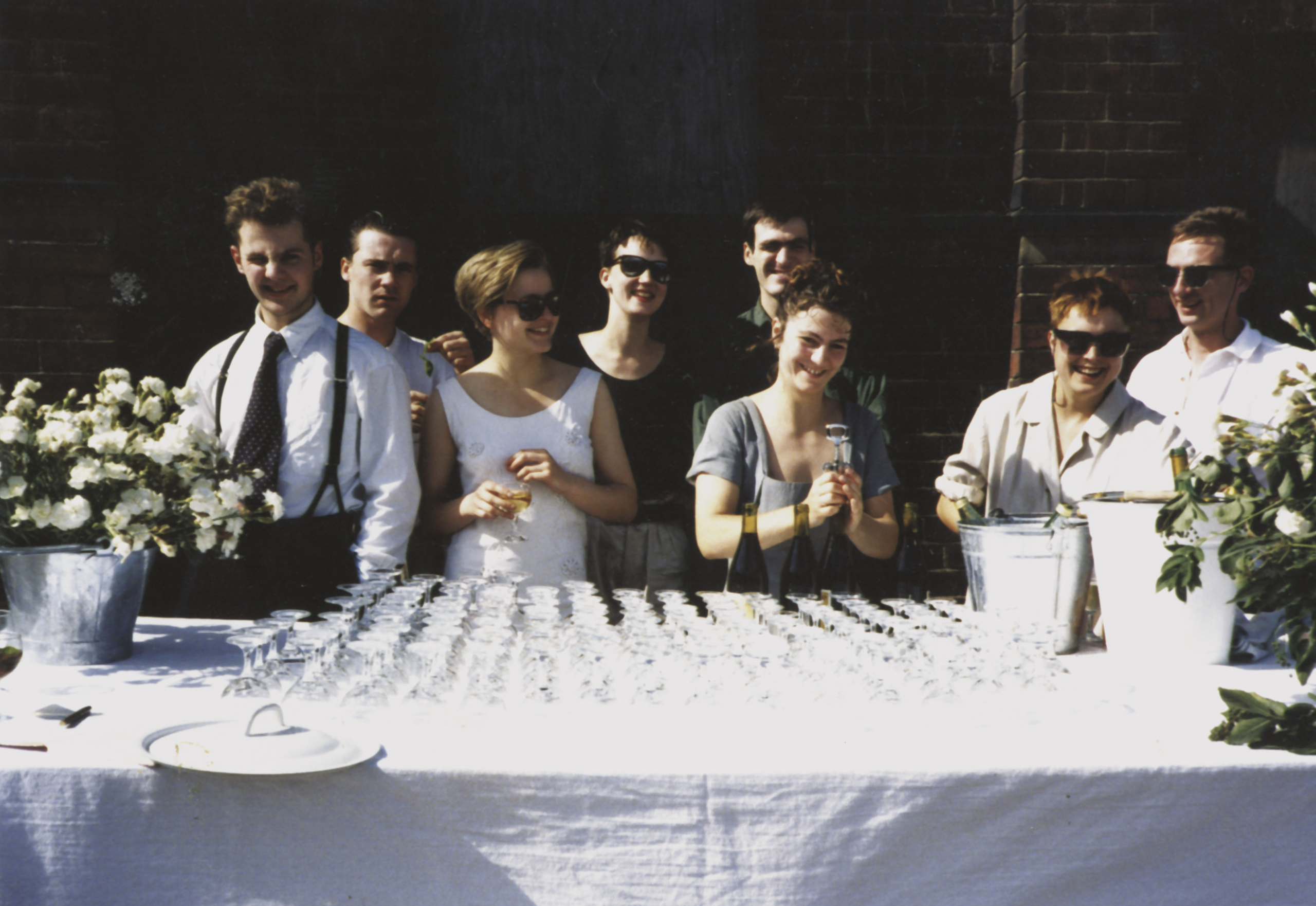
None of this was planned as a whole. That is exactly why it works like Six: meaning comes from what happens to end up side by side.
What “new again” means
Six never explained why a plant stood next to a hat or a poet next to a jacket. It left the connection to the reader. This London October reads the same way. At Tate, the 1990s return so their story can be told differently. At Dover Street Market, Six returns with the claim that it is new again. Whether that holds true, you can best check for yourself in front of the windows on Haymarket.
Dover Street Market: Frieze 2026
Sources: AnOther Magazine (Madeleine Rothery), Hypebeast (Erin Ikeuchi), Dover Street Market, Dezeen, Purple Magazine, Wallpaper.