Tim Walker Fairyland: Love and Legends brings half a century of queer activism to London’s National Portrait Gallery. It runs from 9 October 2026 to 7 February 2027. Walker is known as a fashion photographer of fairytale scenes. This time, though, he photographs people who were long missing from British history.
A word taken back
Five years in the making, the exhibition brings together around 250 portraits, placed by curator Susanna Brown within the historic gallery. The set design is by Walker’s long-time collaborator Shona Heath. Walker uses the word “fairy” in the title on purpose. The gallery describes it as reclaiming the word from homophobia and transphobia.
Walker was born on 27 November 1970. On the same day, Britain’s first gay rights protest took place at Highbury Fields. No screenwriter would dare invent that coincidence. The exhibition turns it into a personal story.
Queeristocracy after Holbein
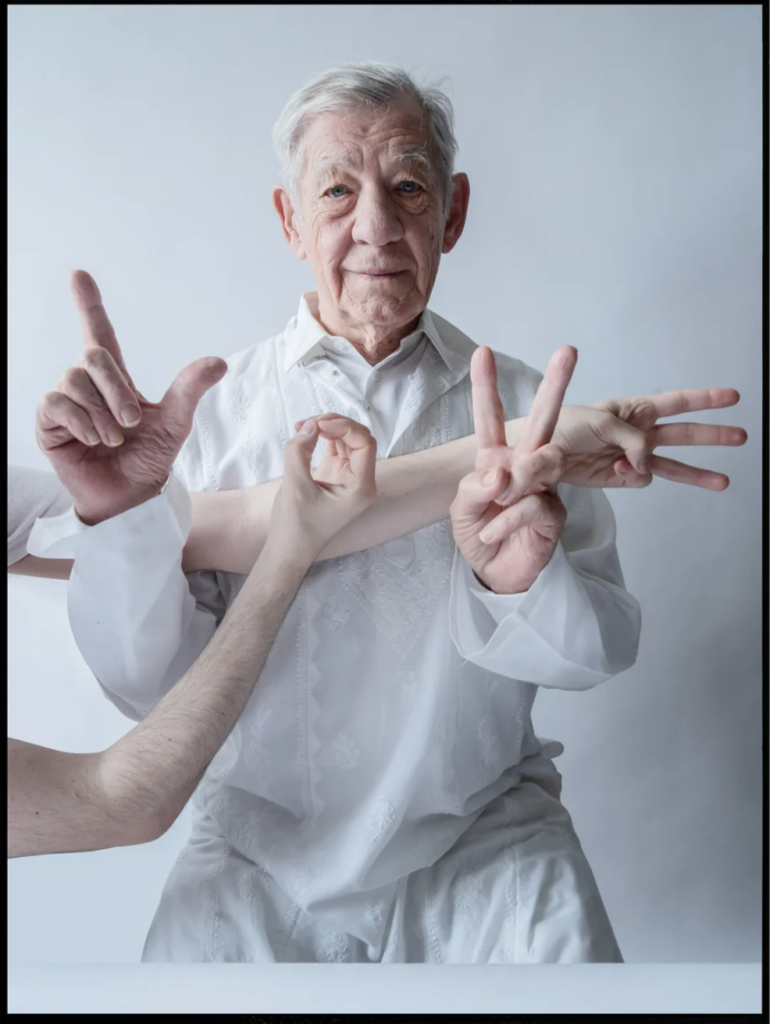
The first room belongs to the pioneers of the 1970s and 80s. Here are founders of the Gay Liberation Front and Stonewall, among them Olivette Cole-Wilson, Andrew Lumsden, Lisa Power and Tom Robinson. Walker photographs them in the manner of Tudor portraits by Hans Holbein the Younger and Nicholas Hilliard. He calls them his “queeristocracy”.
The move matters. In the 16th century, a portrait was a tool of power and status. Walker hands it to people who fought against power. The portrait of Andrew Lumsden (1941–2023) is titled “after Nicholas Hilliard”. The National Portrait Gallery is quoting a tradition this community was left out of.
Objects as an archive
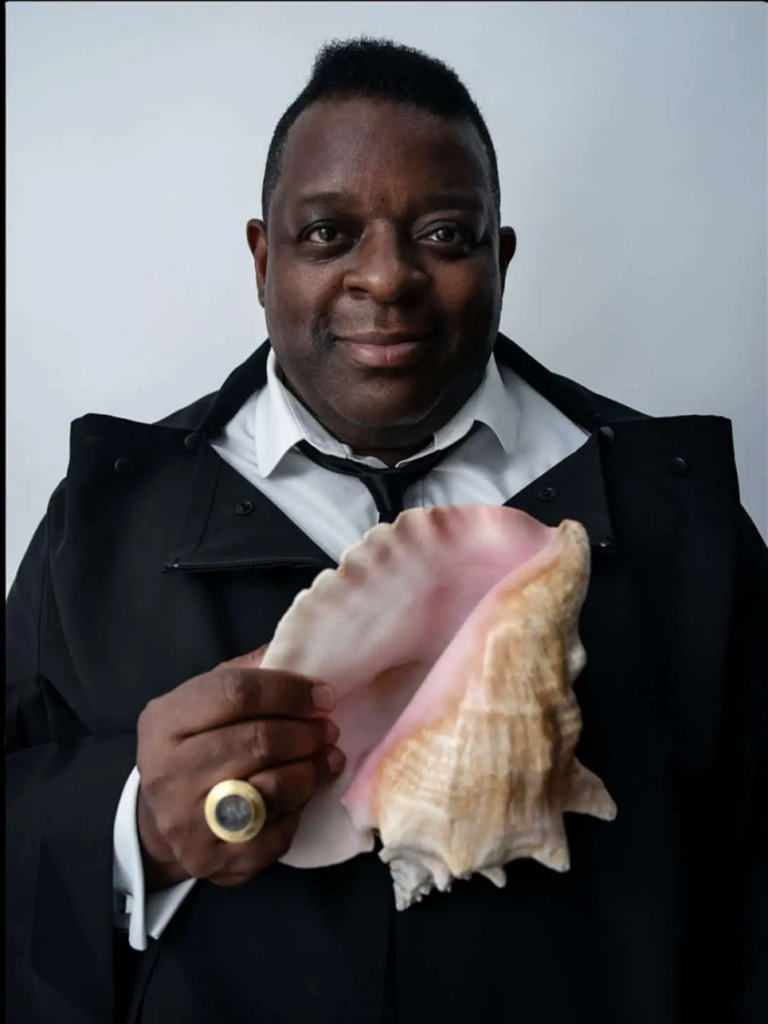
Each sitter brought an object that means something to them. Jane Cholmeley holds the original sign from Silver Moon Women’s Bookshop, founded in 1984. Sunil Gupta holds a camera. Isaac Julien holds a conch shell from his 1989 film Looking for Langston.
The portrait becomes an archive. The object is proof that the community existed. Most of these photographs are set against a white background, recalling Richard Avedon, whom Walker assisted in the 1990s. The fantasy isn’t in the set, but in the people and in what they hold in their hands.
Disco on the ward
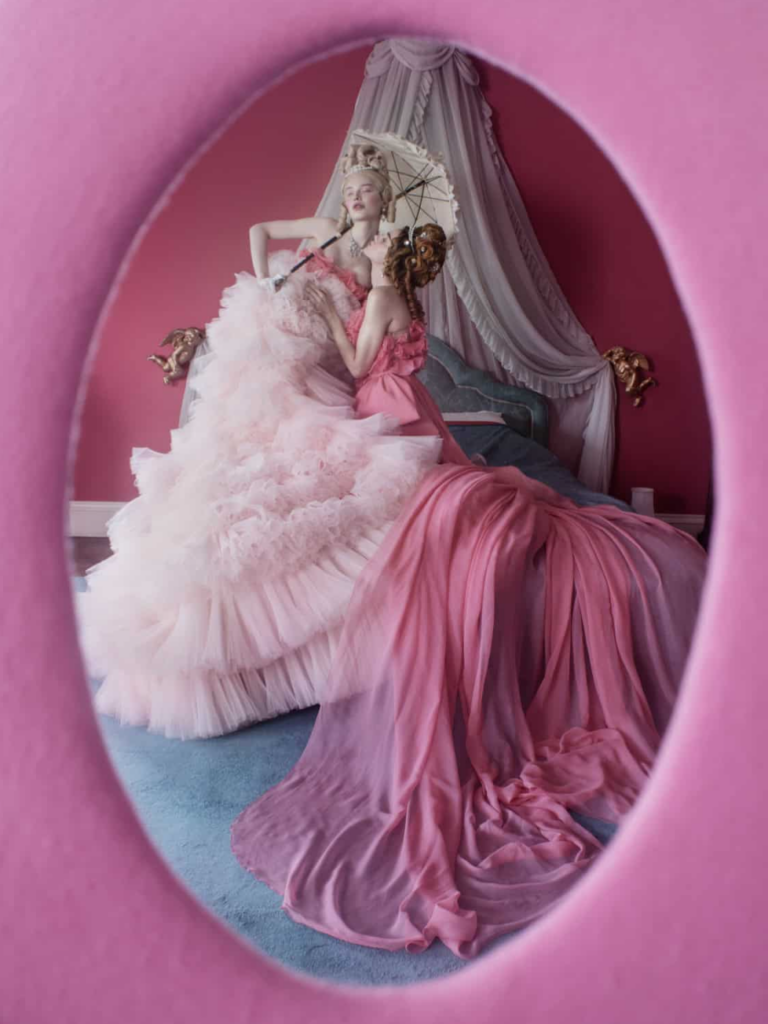
The next section remembers the HIV/AIDS crisis of the 1980s. Walker photographed the nurses and specialists who developed effective treatment. Beside them are the musicians who scored that era: Marc Almond, Holly Johnson and Jimmy Somerville.
Walker says: “Their music thundered on despite the fear of death and discrimination. I wanted to bring that disco onto the ward.” It is the strongest line of the whole project. Grief and celebration don’t pull against each other here. They go together.
Rebel Dykes: portrait of a community
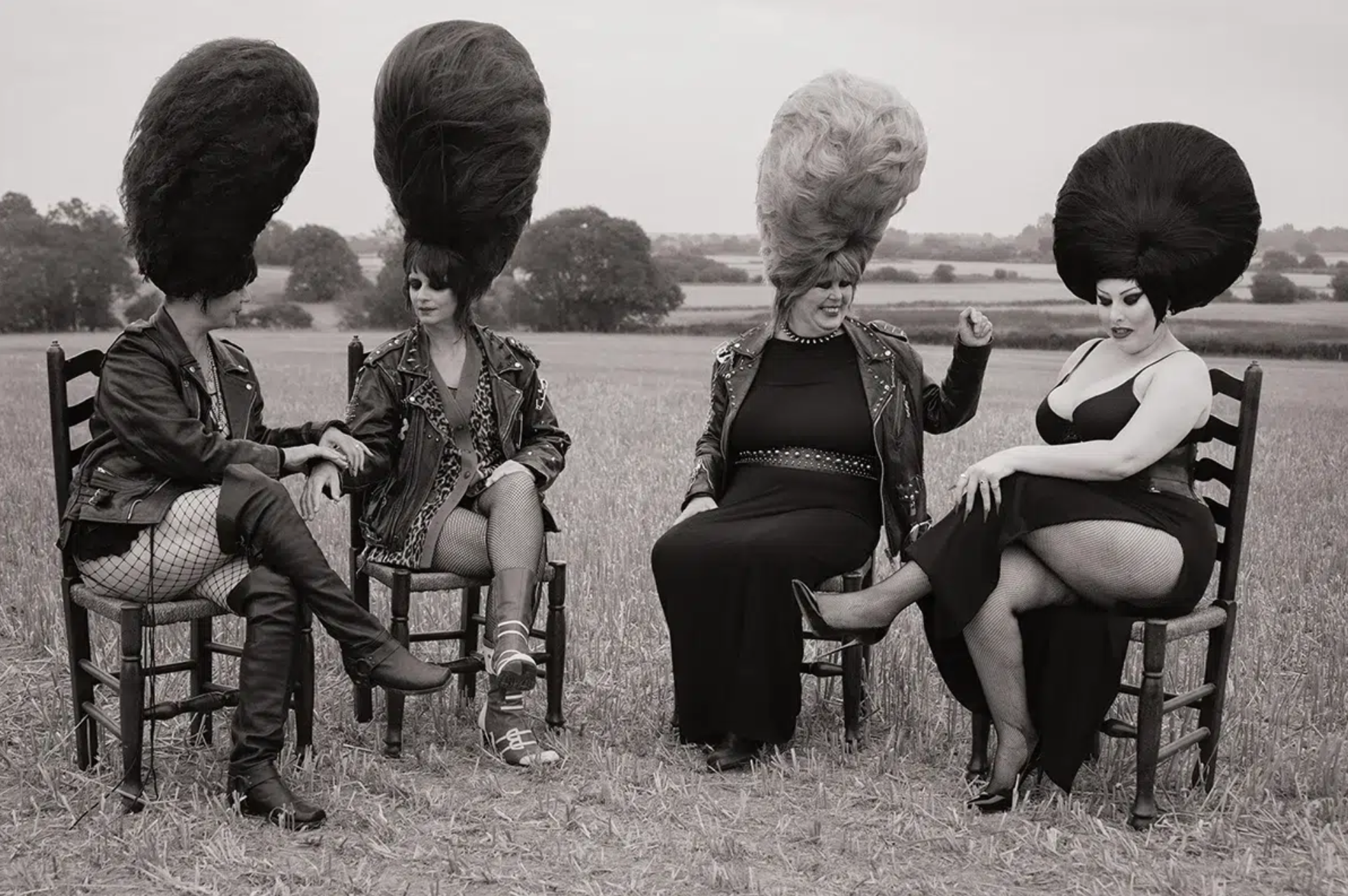
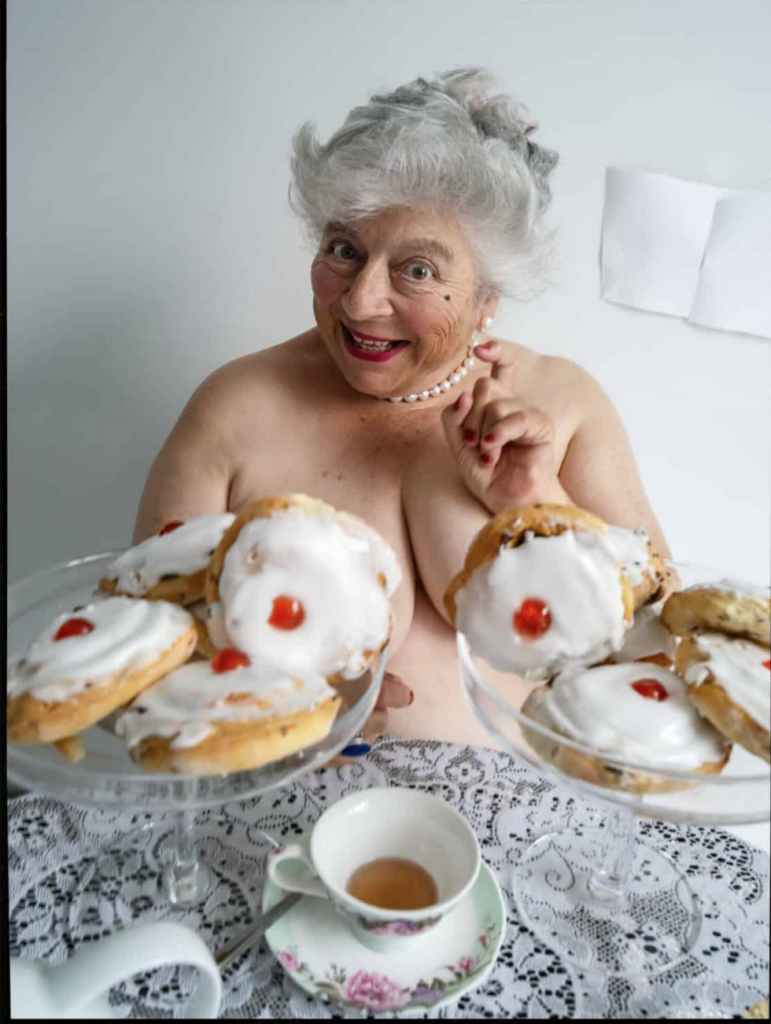
At the heart of the show is the post-punk collective Rebel Dykes. The large group portraits take their cue from Swiss photographer Karlheinz Weinberger’s 1960s pictures of biker gangs. A short film accompanies them, in which the women talk about their campaigns for nuclear disarmament, the environment, sex-positive feminism and HIV solidarity.
According to the 2021 documentary Rebel Dykes, the community grew out of the circle around the Greenham Common peace camp. It later moved to London, into squats, clubs and protests against Thatcher. Weinberger photographed young outsiders. Walker uses the same model for women who lived on the margins in the 1980s.
Fashion and the art of becoming someone else
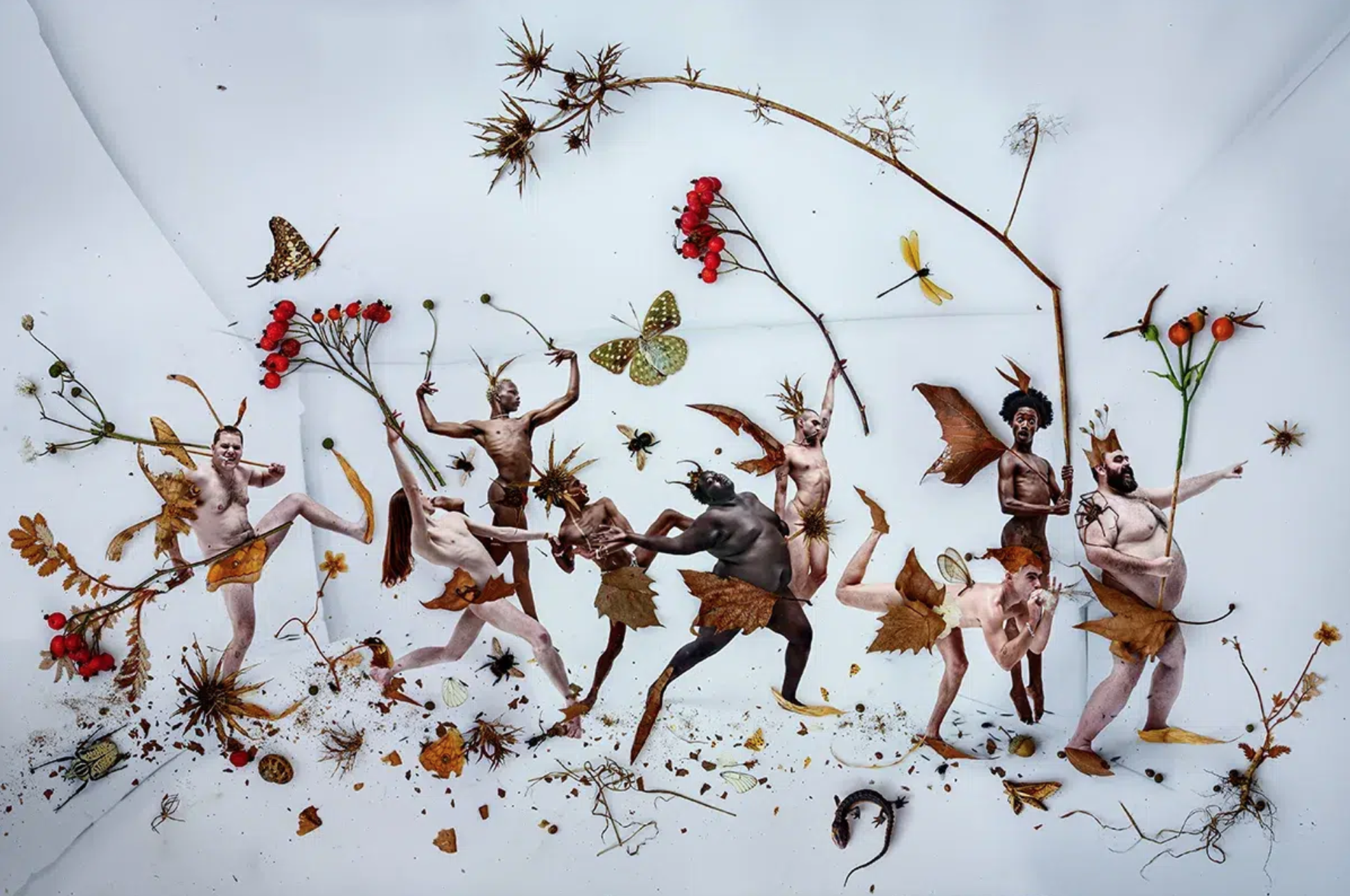
The second half of the exhibition belongs to fashion, make-up and performance. Walker photographed designers Jean Paul Gaultier and Michaela Stark, and drag artists Paul O’Grady, David Hoyle and Midgitte Bardot. They are joined by actors Ncuti Gatwa, Hunter Schafer, Fiona Shaw and Ben Whishaw. Among the musicians are Björk, Lady Gaga, Frank Ocean and Chappell Roan.
Fashion here isn’t decoration. It is a tool for building an identity. Walker knows it well. He began his career in the Cecil Beaton archive at the Condé Nast Library and shot his first fashion story for Vogue at 25. Whatever influence he has in fashion, here he uses it for something other than advertising.
The final room is given over to erotic scenes that turn fairytales and nursery rhymes inside out from a queer point of view. Walker says what he learned most from activists and performers was the importance of eroticism and humour. To him they are “the very heart” of queerness.
A fairytale from the team behind Poor Things
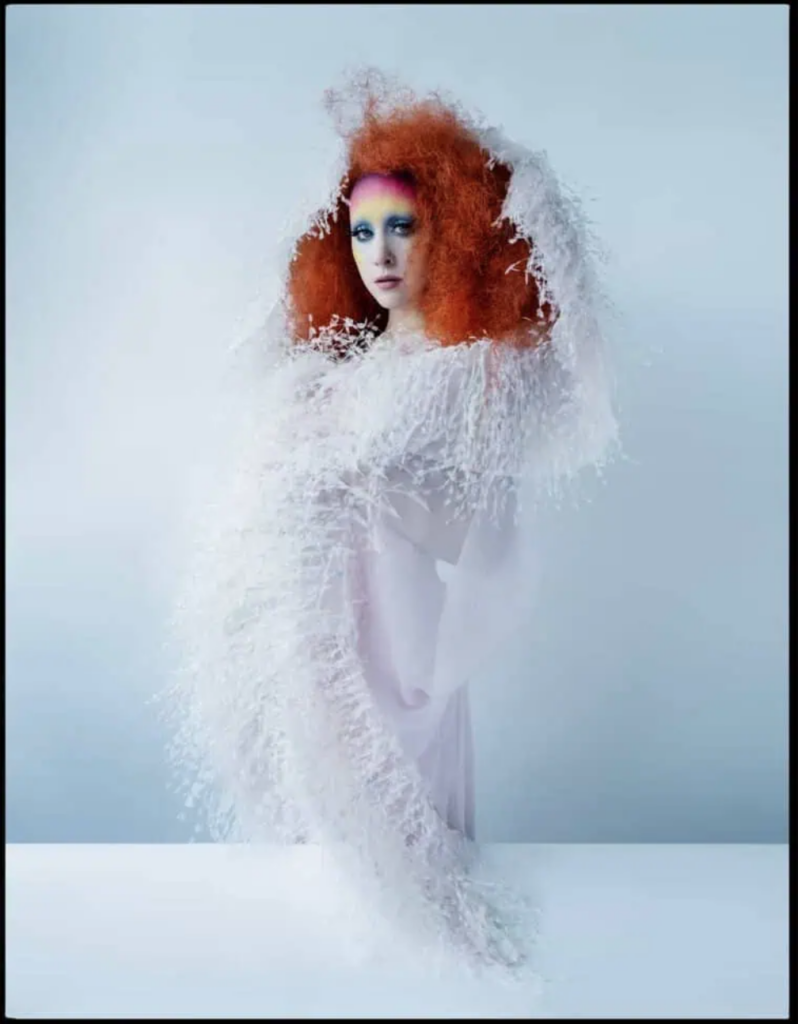
Shona Heath also designed Walker’s Wonderful Things at the V&A in 2019. As production designer on Yorgos Lanthimos’s Poor Things, she won both the Oscar and the BAFTA for production design. That’s why Fairyland looks like a film. The curator is again Susanna Brown, who also worked on the V&A show.
Seven years ago, the subject was a museum collection and its objects. Now the subject is people.
Is a fairytale sharp enough?
Susanna Brown says the exhibition takes visitors from protest and anger to joy. It’s a bold claim. The question remains whether a fairytale is a sharp enough language for politics. Or are humour and love exactly what make these stories visible to people who would otherwise look away?
Walker himself says he wants visitors to leave knowing: “Your difference is your power.”
Practical information: National Portrait Gallery, St Martin’s Place, London WC2H 0HE. The exhibition is on the ground floor. Members go free; for ticket prices, check the gallery’s website. The accompanying 320-page catalogue costs £35, with texts by Travis Alabanza, Russell T Davies, Shon Faye, Lisa Power and Joelle Taylor.
Foto: © Tim Walker.