Can sound be used as a building material? Austrian artist and architect Bernhard Leitner has been exploring this question since 1969. His exhibition SOUNDSPACESCULPTURE at the Vienna Secession runs until 22 November 2026.

A cube of water and sound
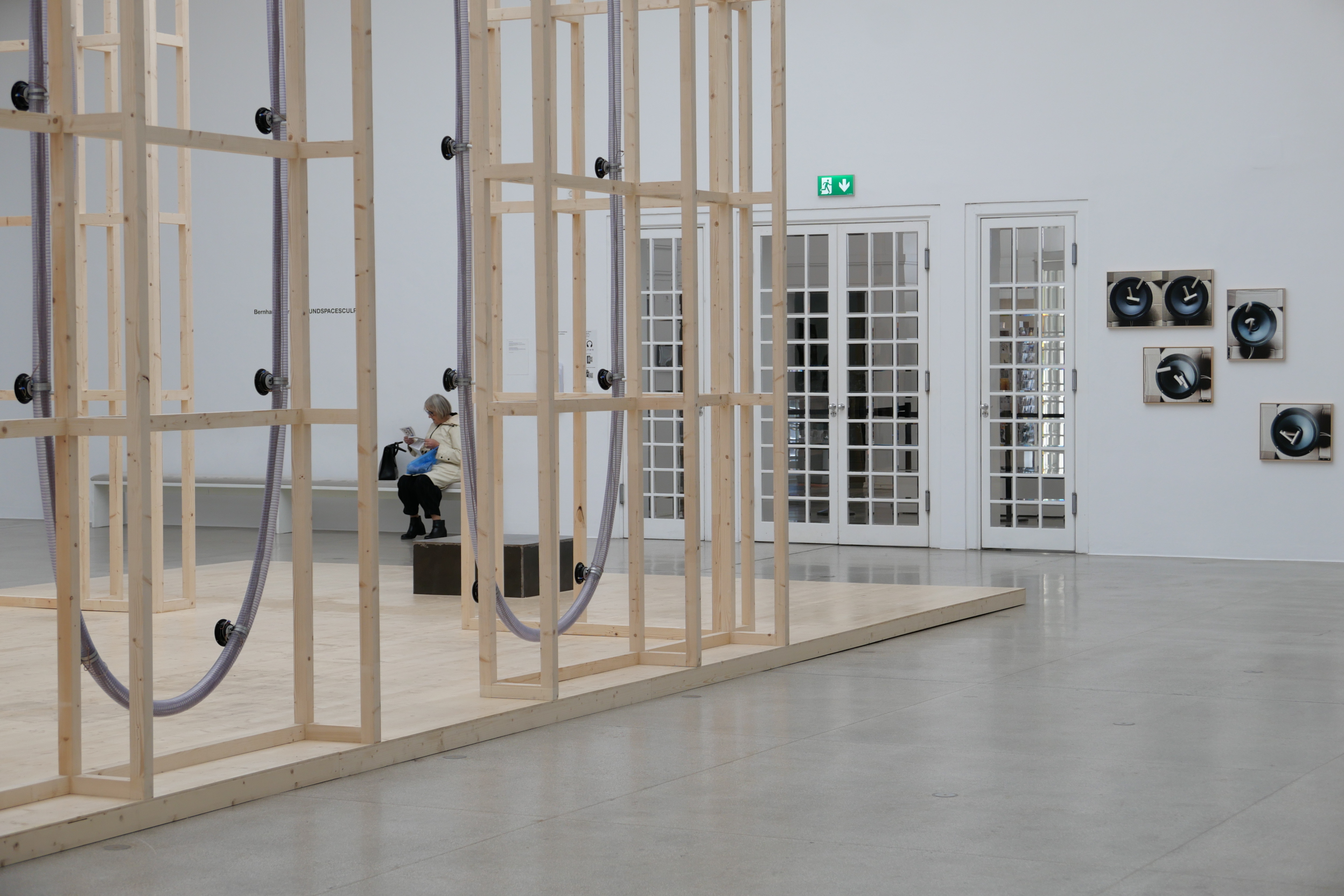
The centre of the main hall is taken up by a new work, Wasser Würfel / Wand Wellen (Water Cube / Wall Waves, 2026), which Leitner created specifically for the Secession. It is a spruce-wood cube, roughly five by six metres, threaded with transparent PVC tubes. The sound of water travels through them in a precise choreography. The 48-channel composition draws short and long lines and waves into the space in varying rhythms.

The shape of the cube responds to the hall itself, which is defined by a grid: the terrazzo floor, the glass ceiling and the coffered doors. Above the central part of the glass ceiling, eight speakers create a horizontal acoustic surface. It is intersected by a vertical sonic axis running from the ceiling down to the floor in front of the cube.
Listening with the body
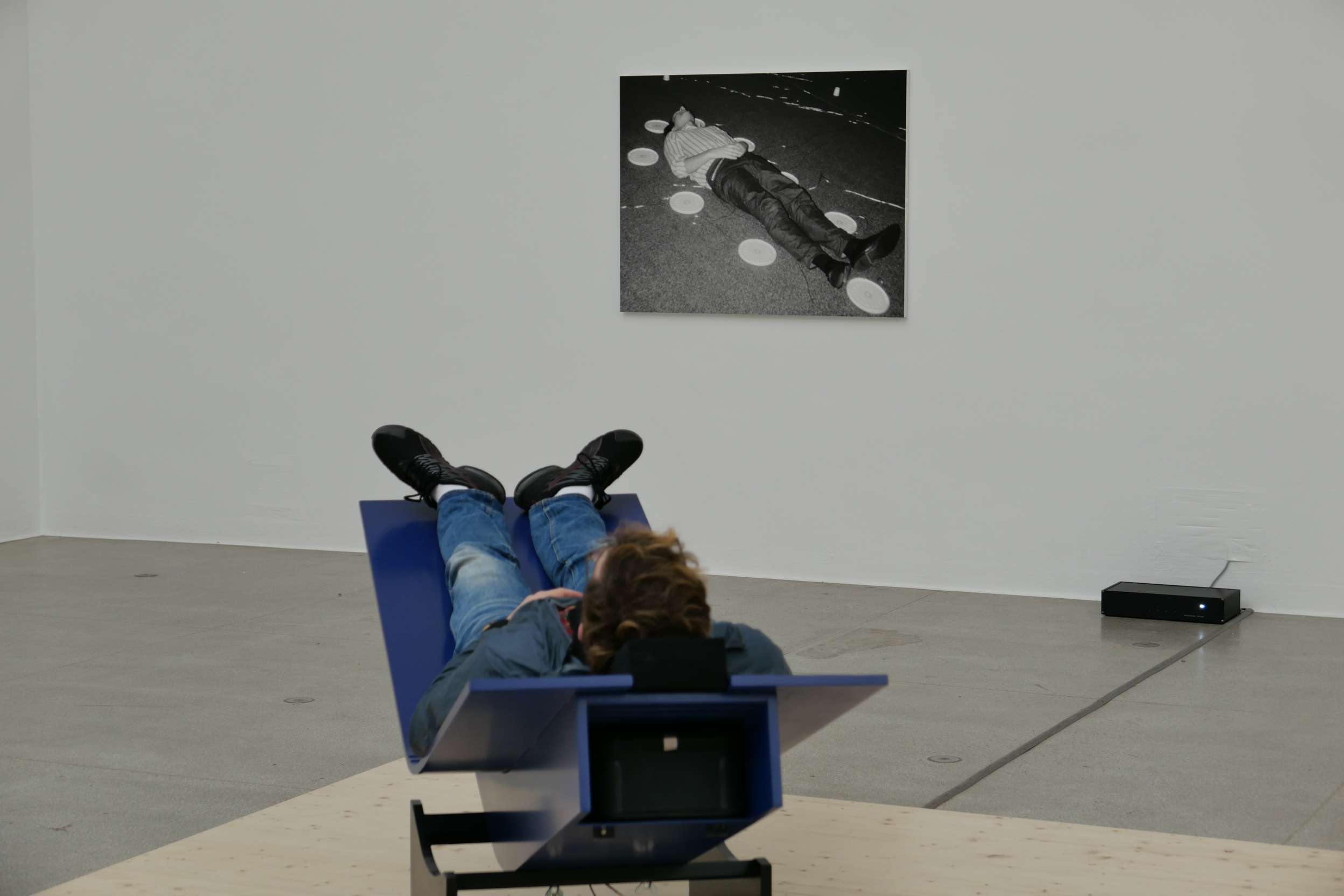
The rear part of the exhibition is devoted to what Leitner calls body listening (Körper Hören). In his view, we perceive sound not only with our ears but with our entire body.

On Ton-Liege / Sound Chair (1975, sculptural realisation 2022), visitors lie down while sound flows between two speakers, one at the chest and one at the feet. In Pulsierende Stille 2 (Pulsating Silence 2, 2026), three pairs of metal plates are suspended in the room. Speakers attached to them emit low frequencies of 75, 84 and 92 hertz that are barely audible from outside. Walking between the plates, one perceives a pulsating space.
Five decades
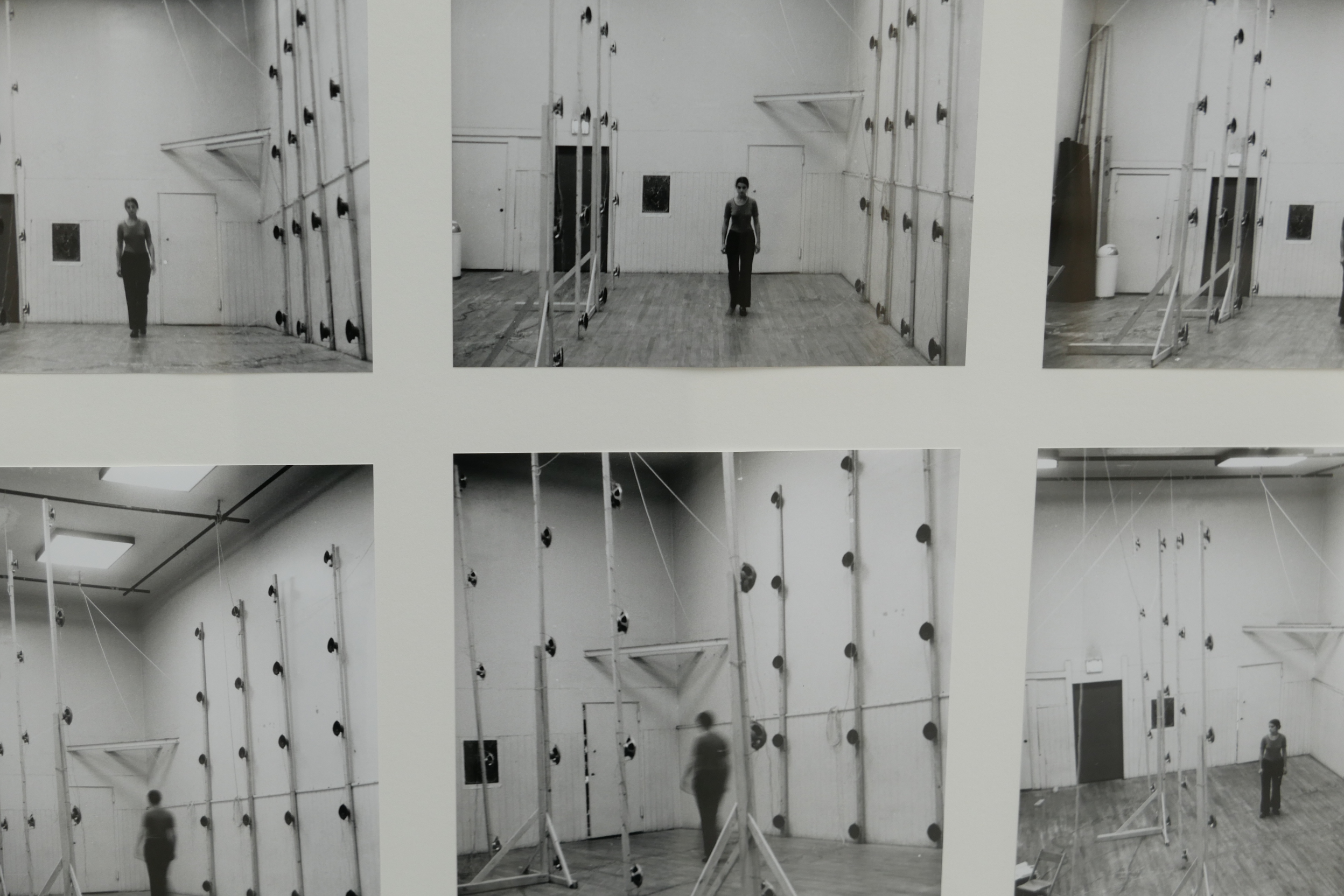
Bernhard Leitner was born in Feldkirch in 1938 and studied architecture in Vienna. In 1969 he moved to New York, where he worked as an urban designer and began investigating the relationship between sound and space. That same year he conceived the Soundcube, a theoretical model of a cube fitted with multiple speakers. The new cube at the Secession harks back to it.

Leitner is one of the pioneers of sound art. From 1987 to 2005 he led the Transmedia Art class at the University of Applied Arts Vienna. The exhibition also traces his beginnings: sketches, acrylic glass models and photographs of his 1970s experiments with sound and the body, such as Ton-Anzug / Sound Suit (1975), an overall fitted with speakers.


Sound beside Klimt
Leitner’s work continues in the room housing Gustav Klimt’s Beethoven Frieze (1902), on permanent display at the Secession. There, the installation Raumreflexion / Space Reflection (2010) projects four high-pitched sound beams from a white parabolic dish towards the ceiling and into the room.

In the other galleries
In the other galleries
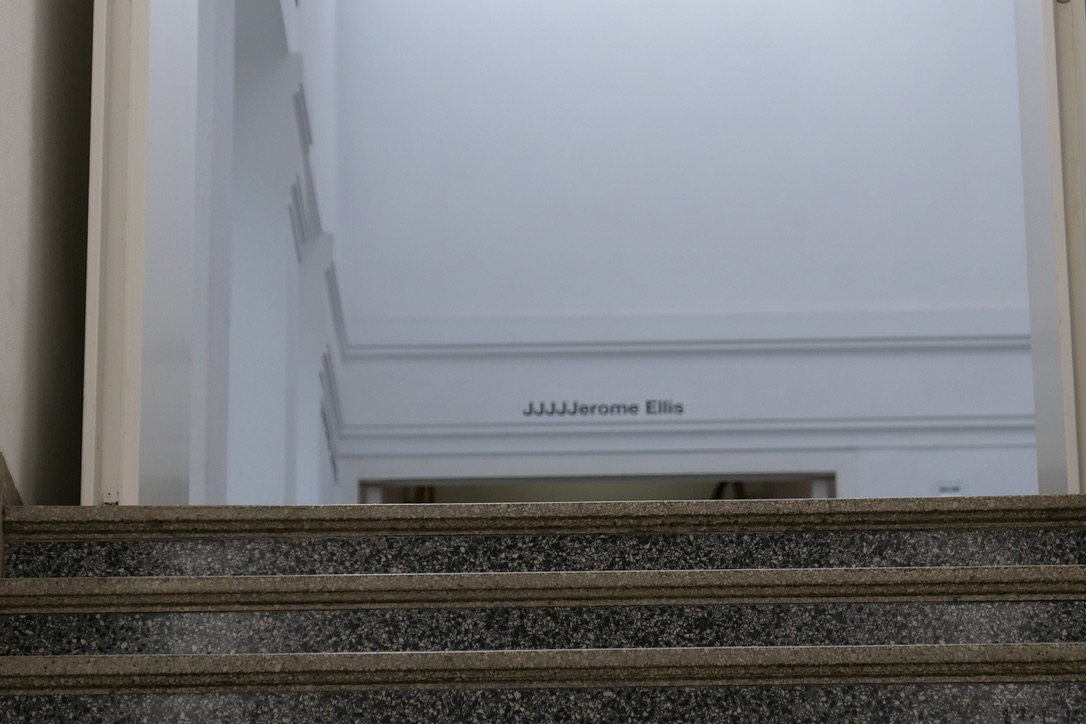
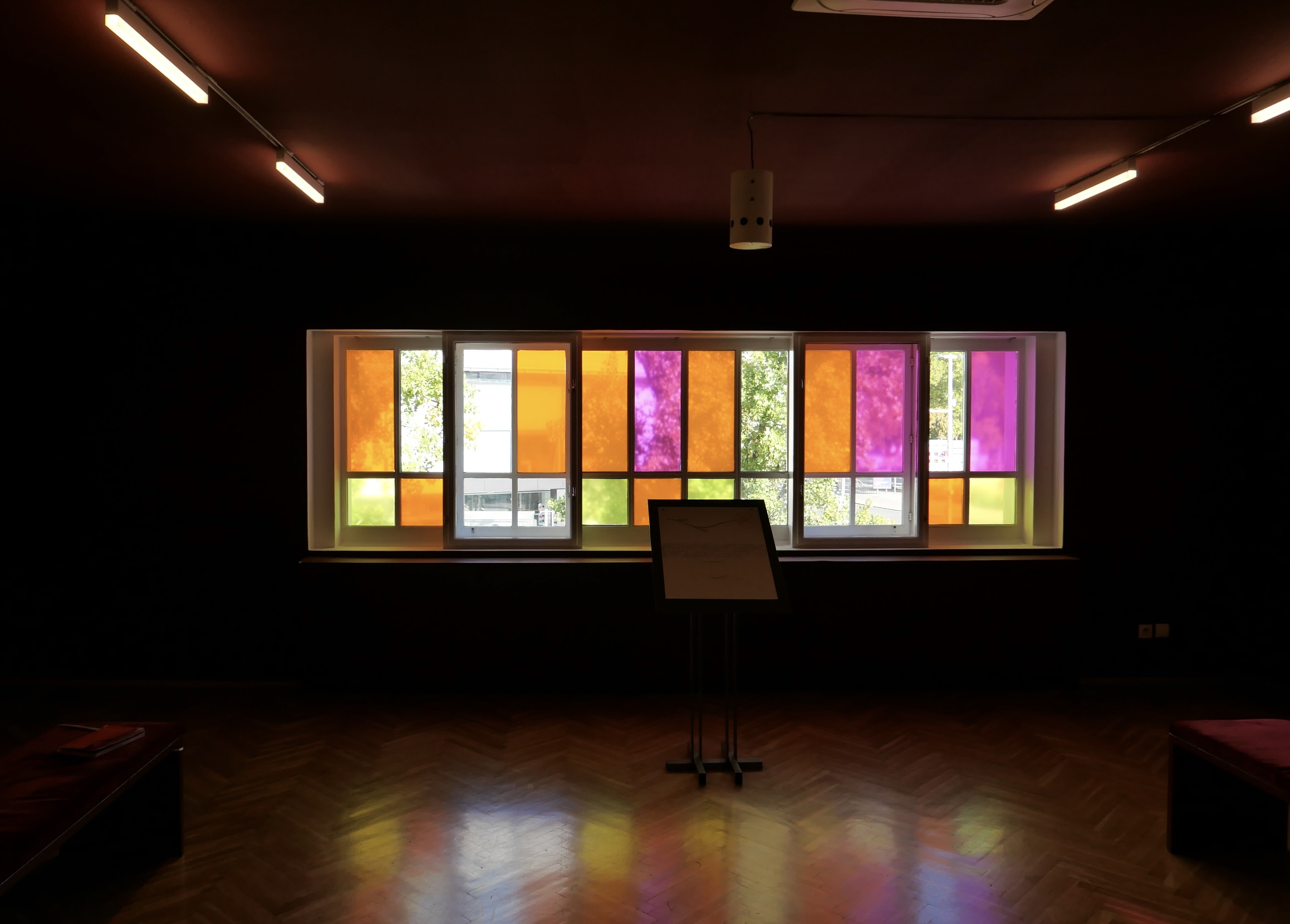
Two further exhibitions are on view at the Secession. In 192 Wing Lok Street, Swedish artist Lap-See Lam combines hand-blown glass, installation and sound, drawing on collective and personal histories. The exhibition is curated by Haris Giannouras. American artist JJJJJerome Ellis has covered the walls with a calendar on paper: each day of the exhibition has its own sheet listing the names of enslaved people who freed themselves between 1673 and 1886. It is curated by Bettina Spörr.