Most art fairs look forward. Frieze Masters looks back, and does so surprisingly in the present. From October 14 to 18, 2026, 142 galleries from 33 countries meet in London’s Regent’s Park. Antiquity, old masters and twentieth-century art stand side by side in one space. Art history here is not a closed chapter. It is a set of discoveries happening right now.

The fair that stops at the year 2000
Frieze Masters was founded in 2012 by Amanda Sharp and Matthew Slotover. Its director is Emanuela Tarizzo. The rule is simple. Only work made before the year 2000 is shown. Its sister fair, Frieze London, belongs to living artists. The architect Annabelle Selldorf designed the space in the park.
The individual works show the fair’s range. Rupert Wace brings a bronze of the Egyptian god Ptah. It once belonged to William Randolph Hearst’s collection at San Simeon. According to the press release, Cedric Gibbons may have drawn on it for the 1927 Oscar statuette.
Colnaghi hows Anthony van Dyck’s Portrait of a Nobleman, made between 1627 and 1632. The Andrew Edmunds collection brings more than 10,000 caricatures from 1680 to 1850.
Two threads run through all of this. Both deserve closer attention.
Anish Kapoor: the void as material
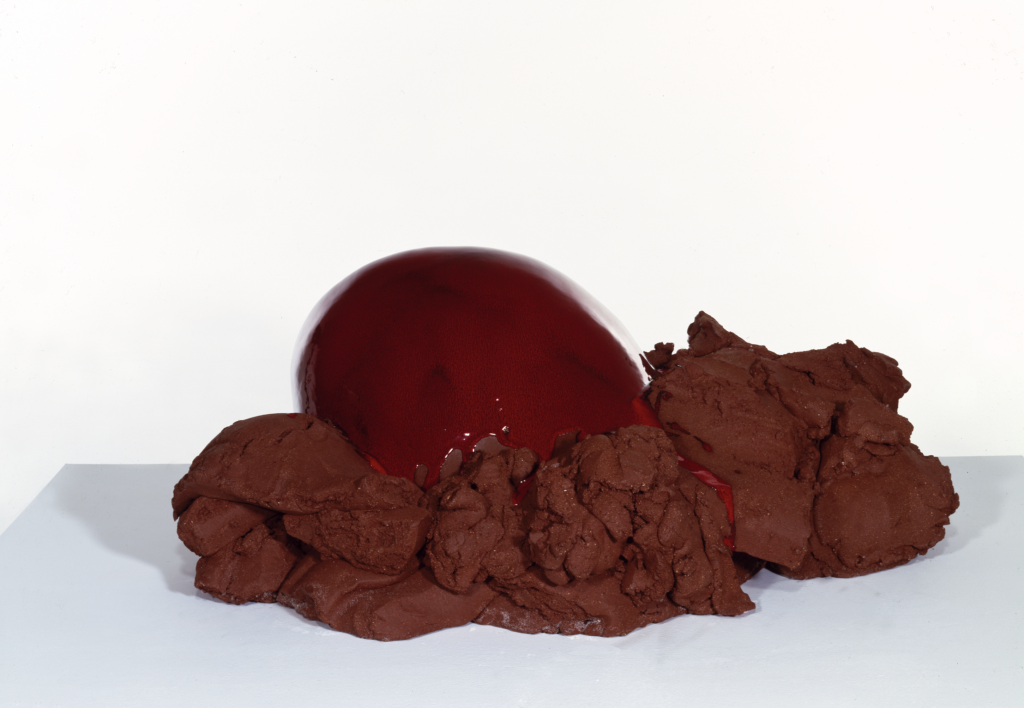
Galleria Continua will bring nine dark-glazed ceramic sculptures from 1994. Their hollows evoke bodily cavities. They will be shown alongside Not Eve (1989), made of sandstone and pigment. It marks a pivotal moment in Kapoor’s practice. Frieze describes these works as an experiment with form and void. Ceramics become a site of both material and metaphysical exploration.
Kapoor was born in Mumbai in 1954. In the 1980s he made forms from powdered pigment in the series A Thousand Names. In 1990 he represented Britain at the Venice Biennale and won the Premio Duemila. A year later he received the Turner Prize.
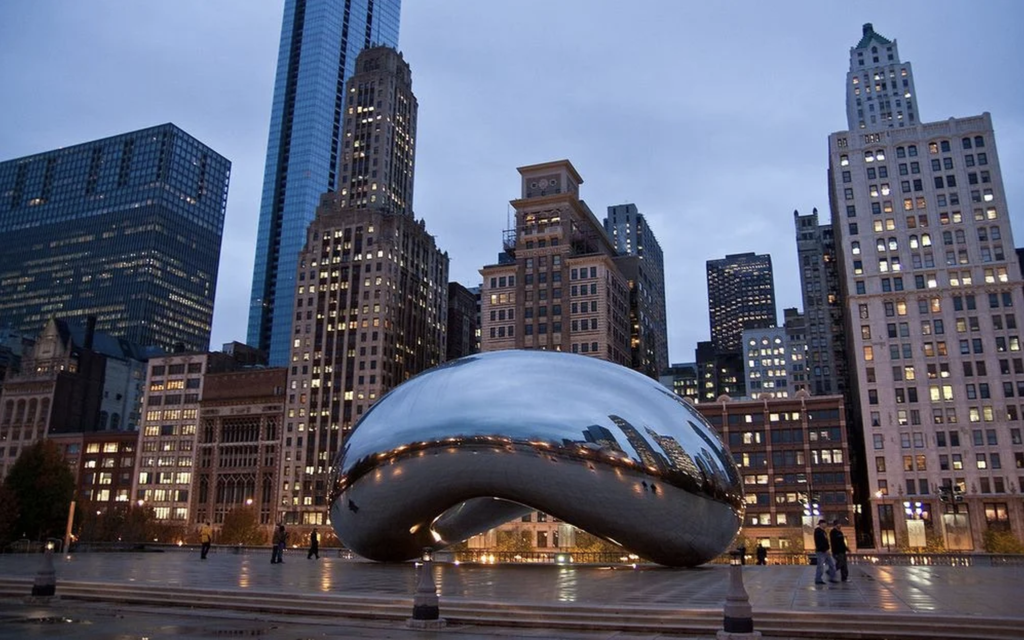
The wider public knows him more for his monuments. Cloud Gate has stood in Chicago since 2006. ArcelorMittal Orbit is 115 metres tall and stands in London’s Olympic Park. It was completed in 2012 with the engineer Cecil Balmond. At those same Games, Es Devlin designed the closing ceremony. Her retrospective is now on at the Design Museum. Frieze Masters shows the other side of Kapoor, quieter and more bodily, which came before the monuments.
Queering Modernism: a thread through the whole fair
Curator Anke Kempkes has created a thread across the fair titled Queering Modernism: Visual Languages of the 20th Century. It has no section of its own. The presentations are spread throughout the fair to create unexpected encounters. The thread traces queer experience and LGBTQIA+ representation from early Modernist experimentation to the 1980s. It does so through visual languages of desire, embodiment and self-representation.
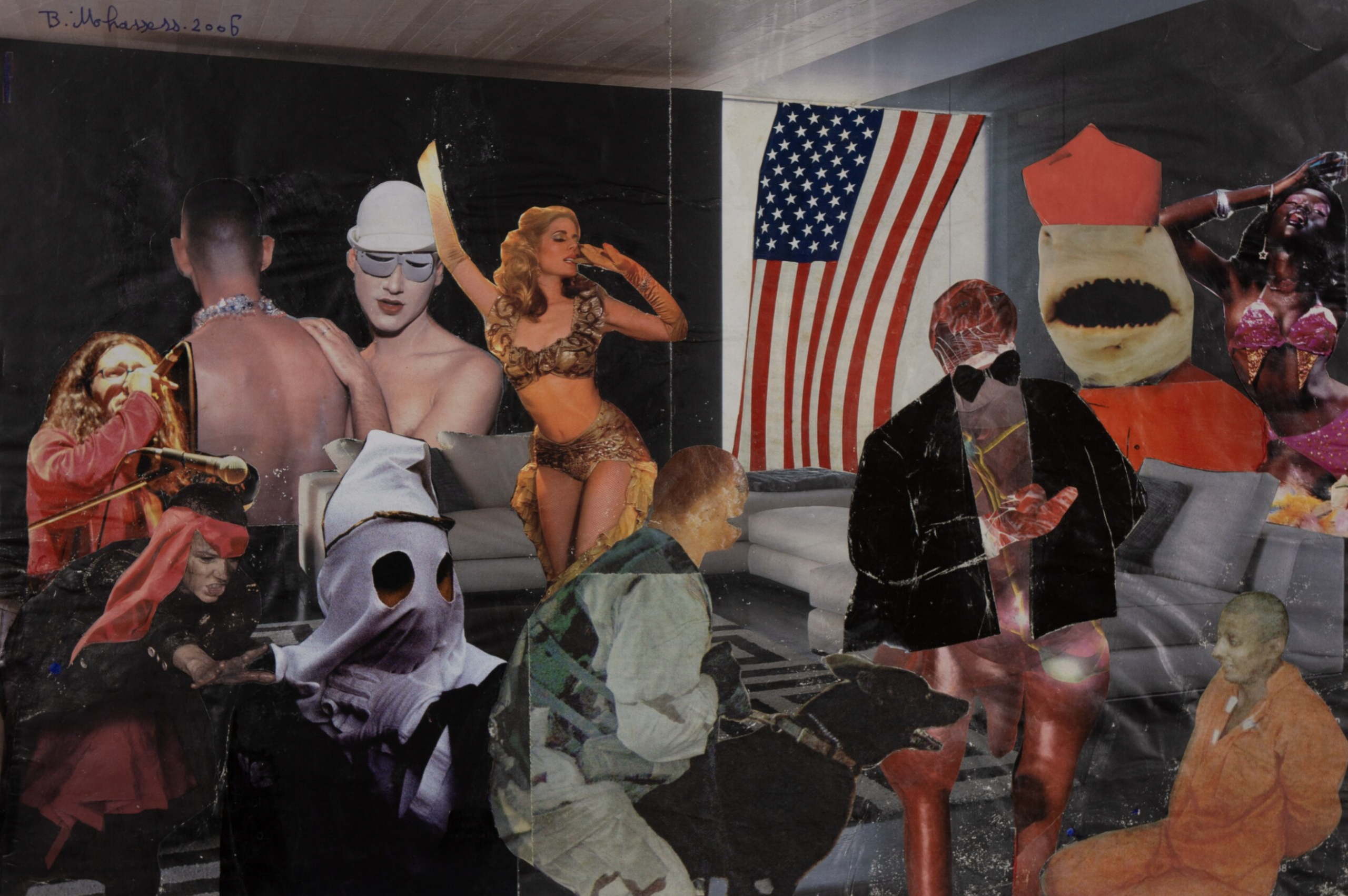
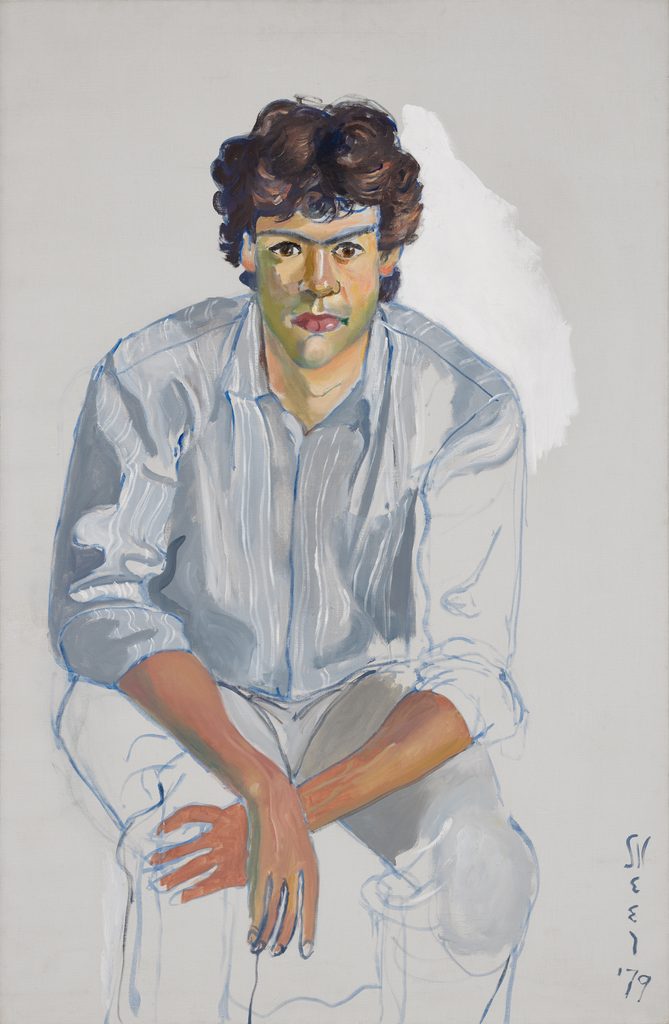
Agnews will show Lotte Laserstein’s Portrait of Louis Hahne (1938) and Glyn Philpot’s King Balthazar (1929). Victoria Miro and David Zwirner will present Alice Neel together, including a portrait of Allen Ginsberg. Luis Fernando Zapata (1951–1994) worked in Paris in the late 1980s in response to HIV. Ab-Anbar brings Bahman Mohassess (1931–2010).
Claude Cahun and Judy Chicago: a dialogue across half a century
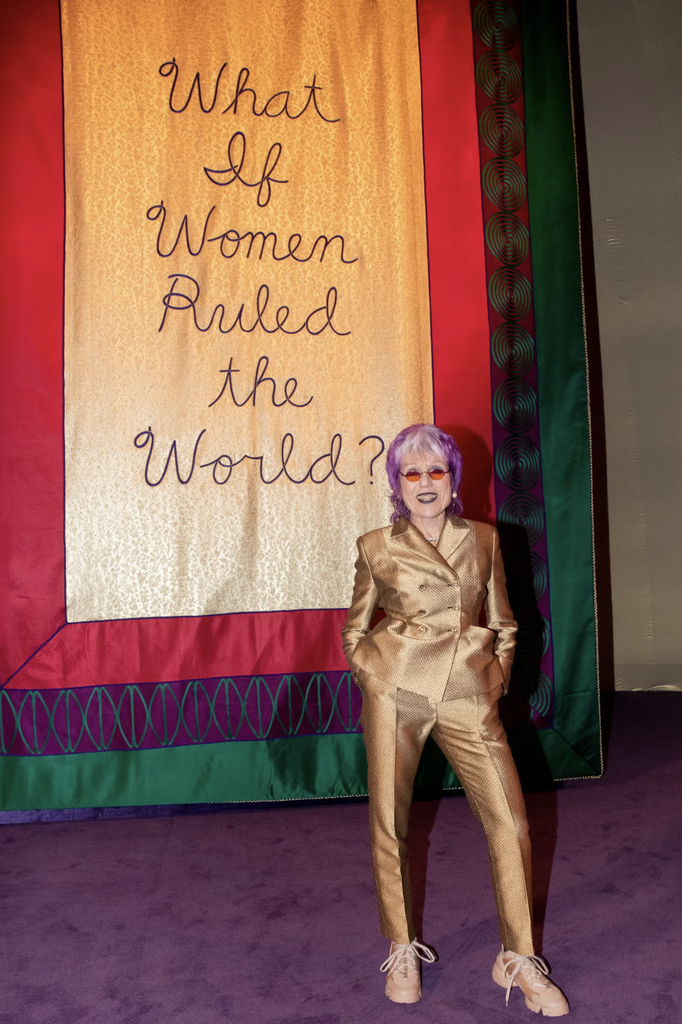
The most intriguing dialogue comes from Alberta Pane Gallery. It sets Claude Cahun beside Judy Chicago. Chicago has long cited Cahun as a key influence on her own practice. Frieze highlights her Natalie Barney Test Plate #2 (1974–79). It is china paint on porcelain, 35.56 centimetres across. Natalie Barney was an American writer who ran a literary salon in Paris for decades.
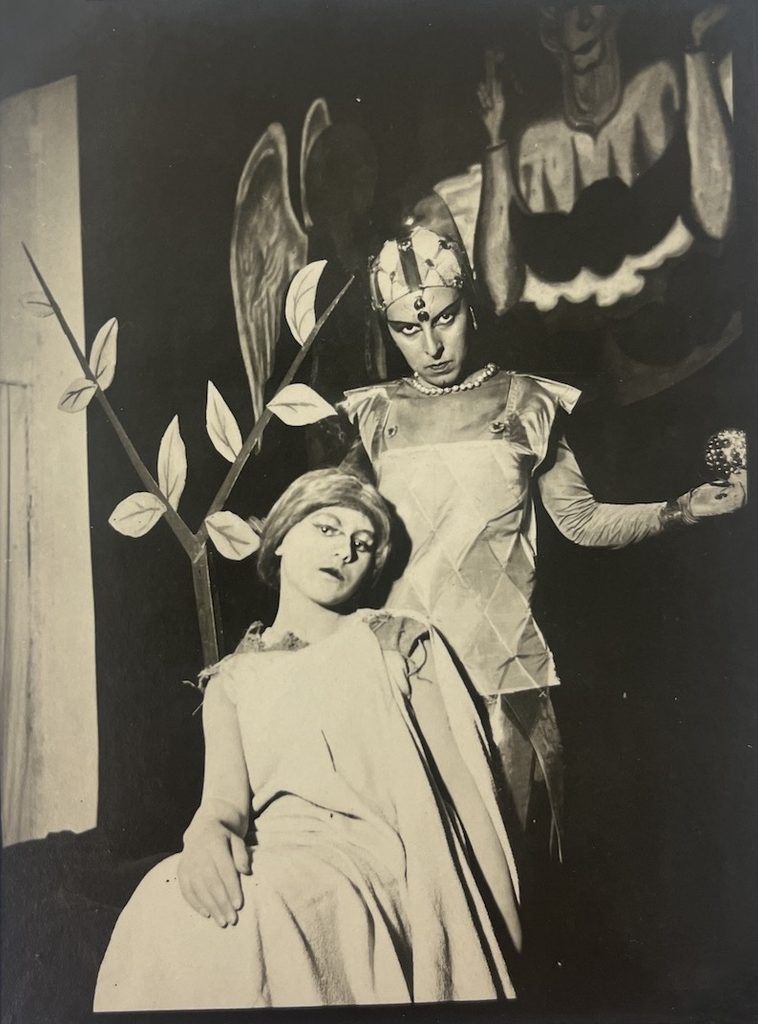
Claude Cahun was born Lucy Schwob (1894–1954). She made photographic self-portraits from 1912. In them she appears as an aviator, a dandy, a doll, a bodybuilder and an angel. She often has a shaved head and an androgynous look, which went beyond the gender norms of her time. With her partner Marcel Moore, she took part in Paris salons that Henri Michaux and André Breton attended. In 1932 she joined the Surrealists.
The soldier without a name
In 1937 the two moved to the island of Jersey. During the Nazi occupation they made anti-German flyers. They signed them “Der Soldat Ohne Namen”, “the soldier without a name”. In 1944 they were arrested and sentenced to death. The sentence was never carried out, because Jersey was liberated in 1945. Cahun died in 1954, and her work remained almost unknown until the 1980s.
That is also the decade where Anke Kempkes’s thread ends. The dialogue between Cahun and Chicago shows the whole arc. First oblivion, then rediscovery, and finally influence on the next generation.
Why go
At Frieze Masters you can walk from an Egyptian bronze to Kapoor in a single afternoon. It is not a museum, yet art history looks more alive here than in many museums. The fair also runs during London’s Frieze Week. You can combine it with the Es Devlin exhibition at the Design Museum and other shows around the city.
Practical information
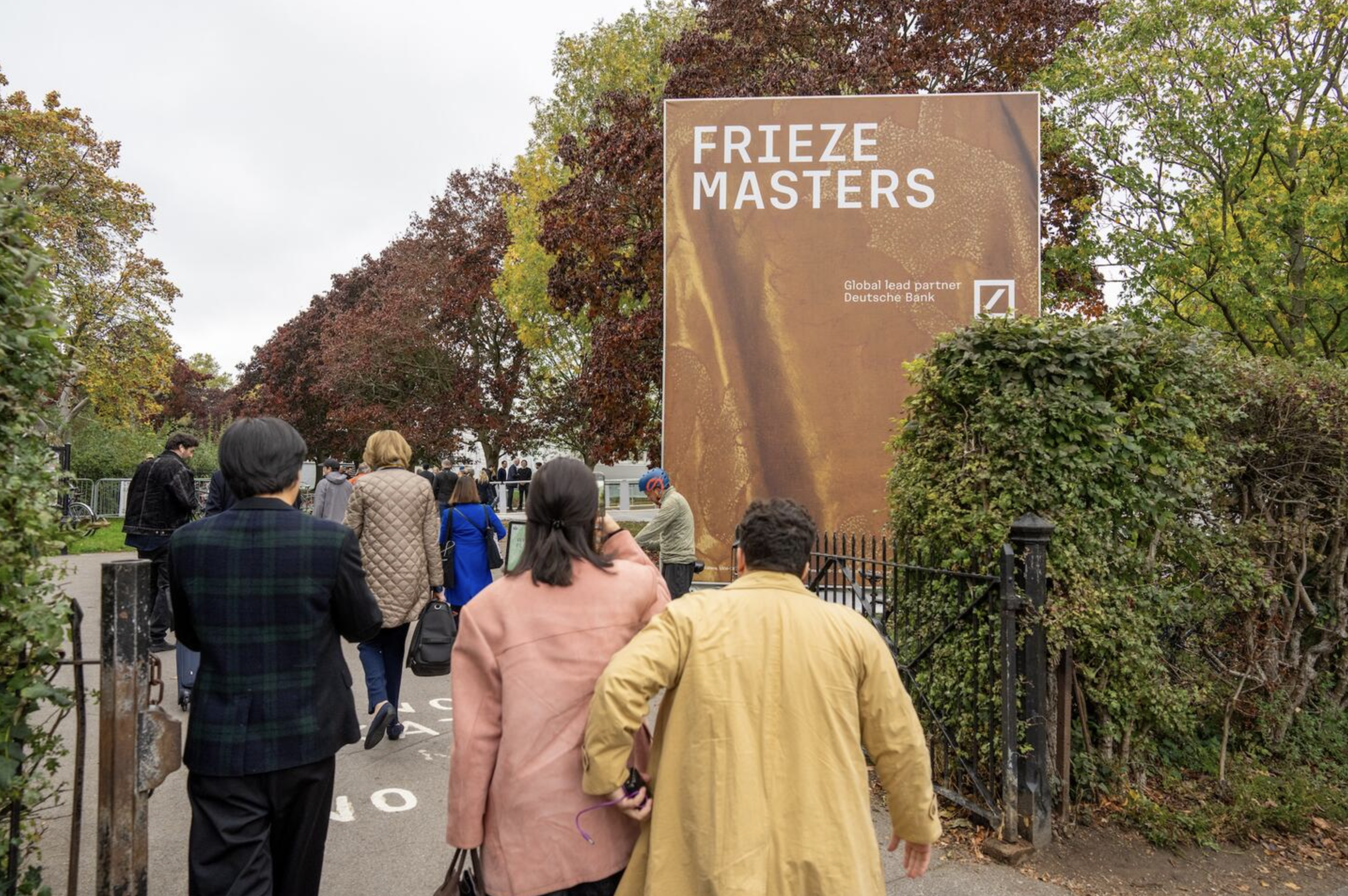
Frieze Masters 2026 runs from October 14 to 18, 2026, in The Regent’s Park, London.
Sources: Frieze Masters, o veľtrhu, Frieze, Curated Programme, Frieze, Solo Presentations, Wikipedia, Anish Kapoor, Claude Cahun