Od betónových megaštruktúr po Studio 54: príbeh architekta, ktorého Met pFrom concrete megastructures to Studio 54: the story of an architect whom the Met returned to the canon after fifty years, and of a house that brings together architecture, fashion and art.
“It’s like living in a three dimensional sculpture.” — Halston on his house
Halston said that living in his house on the Upper East Side was like living in a three-dimensional sculpture. Halston House at 101 East 63rd Street really does look like an object. From the outside it is dark steel and glass. Inside, the space opens up into high ceilings, platforms and staircases.
It brings together three names. The architect Paul Rudolph designed it, the fashion designer Halston made it famous, and today it belongs to Tom Ford. To understand why it matters, we have to start with the architect.
Paul Rudolph: from beach houses to concrete
Paul Rudolph (1918–1997) was the son of a preacher from Kentucky. He studied under Walter Gropius and made his name in the late 1940s with modernist beach houses in Florida. By the mid-1960s he was one of the leading Brutalists in the world. In his hands, concrete felt organic, textured and almost alive.
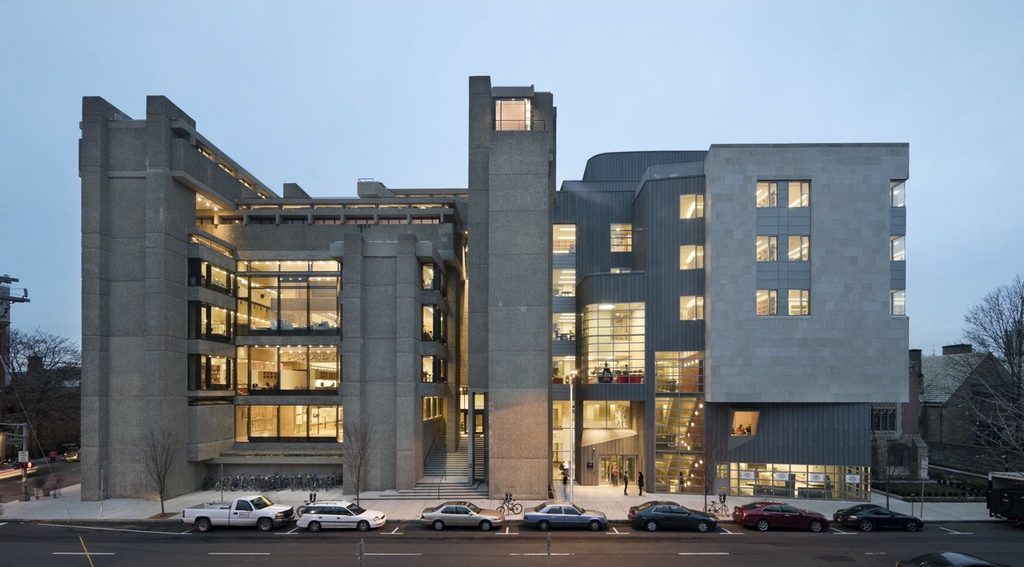
He won the most prestigious commissions. He designed the Yale Art and Architecture Building in New Haven (1958) and the Burroughs-Wellcome headquarters in North Carolina. The press loved him and his peers admired him. He once said that he “preferred caves over fishbowls”.
The façade of the Yale building is made of “corduroy concrete”, named for its ribbed look. Builders poured the concrete into wooden molds to form vertical fins. Workers then hammered them by hand to expose the stone inside. What you get is rough, sculptural and tactile.
Megastructures: the city as one building
Rudolph had a radical vision of society. He designed huge systems in which housing, transport, work and leisure were joined into a single structure. These projects feel like a utopia and a sci-fi dystopia at once.
The best known is the Lower Manhattan Expressway (around 1967). For the Ford Foundation he proposed a structure about three kilometers (two miles) long that was meant to be architecture, not a highway. The road ran beneath a pedestrian plaza, with parking, housing and shops. It was never built. Critics said it would have destroyed historic Manhattan.
Then fashion changed. When Postmodernism arrived, Rudolph refused to follow. Commissions in the US dried up, and he later reappeared in Asia, where in the 1980s and 90s he designed projects in Hong Kong, Jakarta and Singapore. The Burroughs-Wellcome building was later demolished. It had become a site of protest: in the 1980s, ACT UP activists demonstrated there against the price of the drug AZT.
Interiors: the architect turns inward
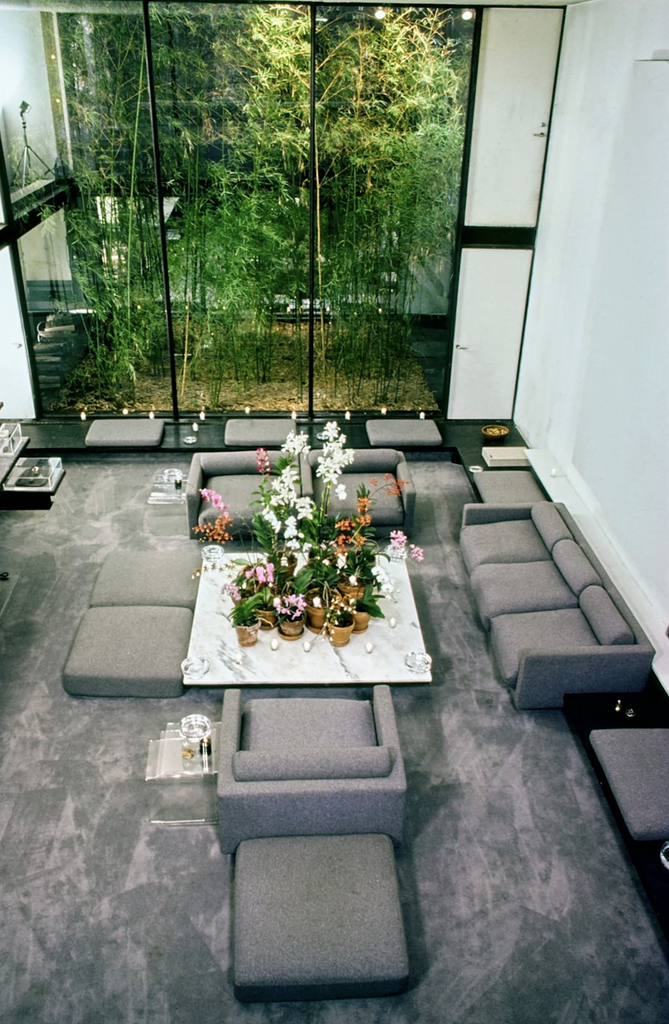
When the big commissions disappeared, Rudolph began designing apartments. The one that defines him best is his own penthouse at 23 Beekman Place in Manhattan. He tested ideas on himself there, just as Sir John Soane did in his London house in the 19th century.
The apartment had mirrors, light panels and Plexiglas seating. Above his desk was a bathtub with a glass bottom. He compared it to a glassy milk bottle. The apartment later grew into the Modulightor Building (1989), the headquarters of his lighting company. You can also see it in the film The Royal Tenenbaums (2001).
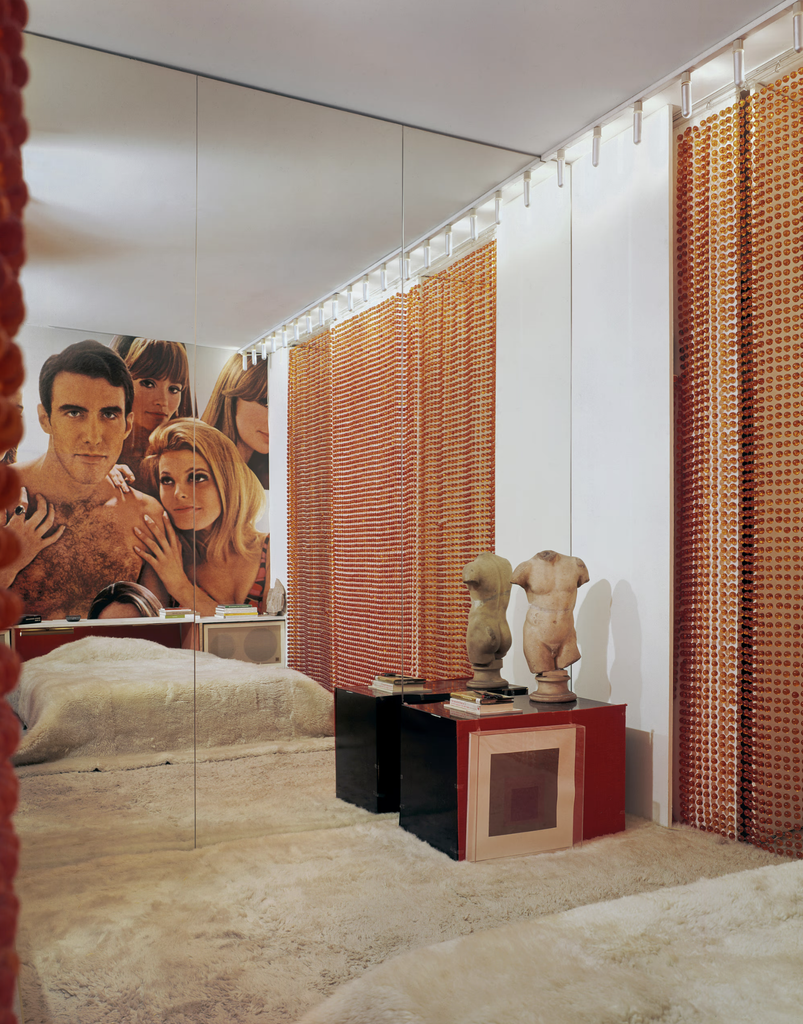
Rudolph lived openly with his partner but stayed discreet at work. He also designed bachelor apartments that were among the most famous of their era. His interiors belonged to the age of disco and gay liberation, the world of Warhol and Halston.
1966: Halston House as a hideaway
In 1966, Rudolph built a house for Alexander Hirsch on the site of an old stable from 1881. Hirsch was looking for a quiet refuge in the middle of Manhattan. So Rudolph closed the house off from the world. He described it as a world of its own, “inward looking and secretive”.
It shows the street only one façade, of steel and dark glass. The floors shift slightly, which reveals how the house is organized inside. The entrance is recessed by about 1.2 meters (4 feet).
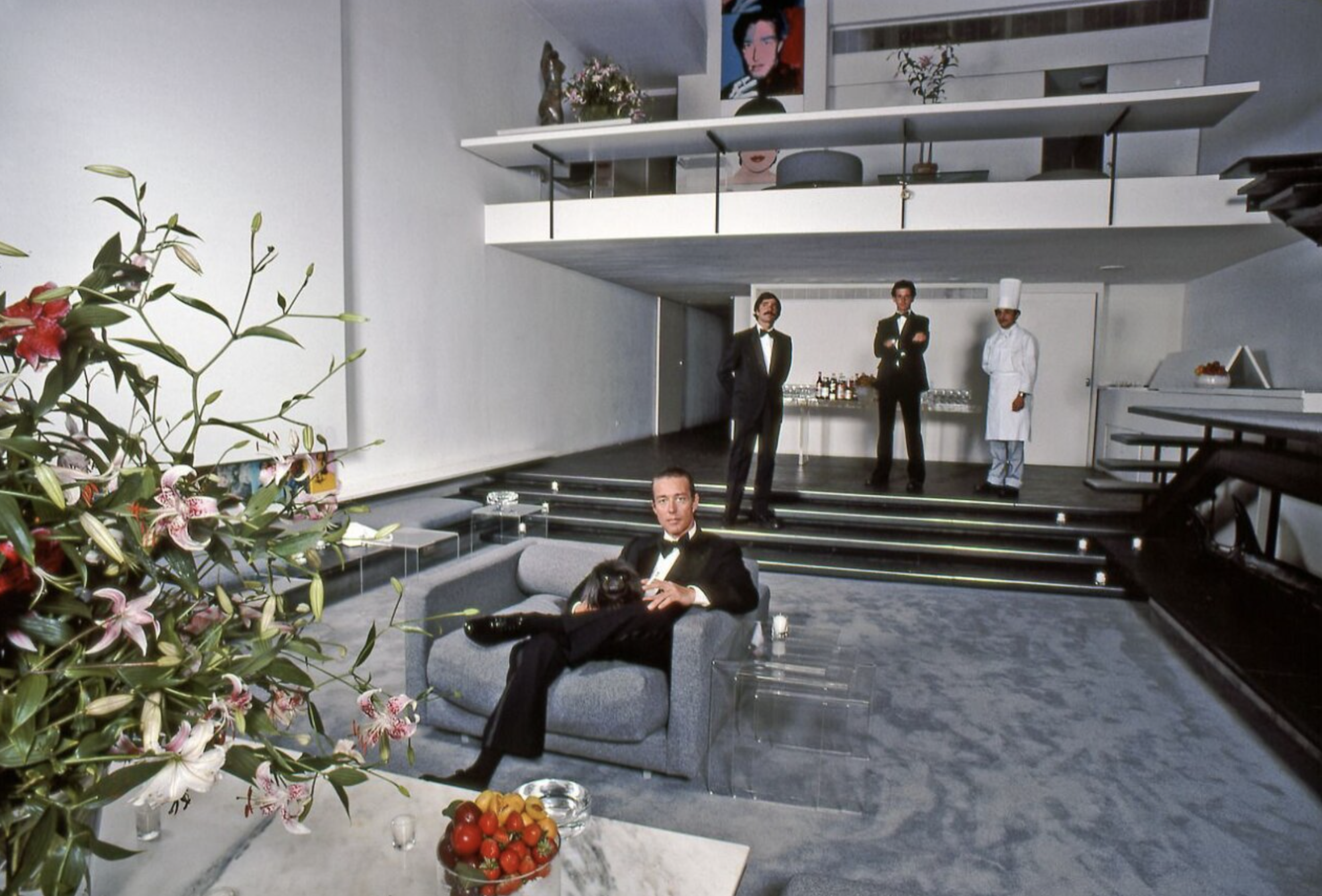
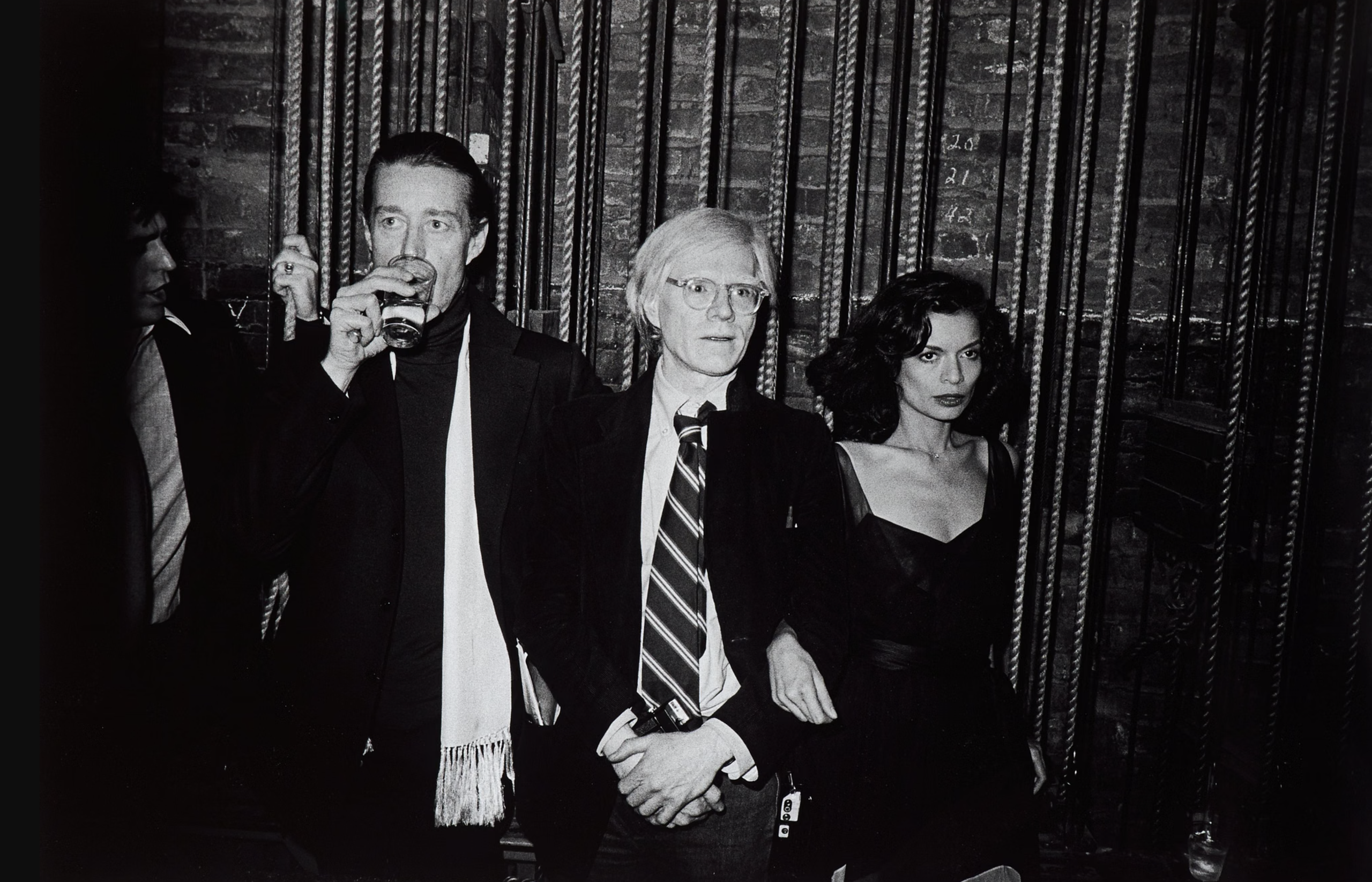
Inside, the living room rises through three floors, with a skylight and a ceiling about 10 meters (32 feet) high. Above it are platforms and staircases. The house also has a roof terrace and a greenhouse in the garden.
1974: Halston and “The 101”
Halston admired Rudolph and had always wanted to live in a house in his style. When the house came up for sale in 1974, he bought it the moment he saw it. He lived there until 1989 and sold it in January 1990.
Rudolph adapted the interior to his taste. The house got gray wall-to-wall carpet, mirrored Plexiglas furniture and curtains made of metal rings.
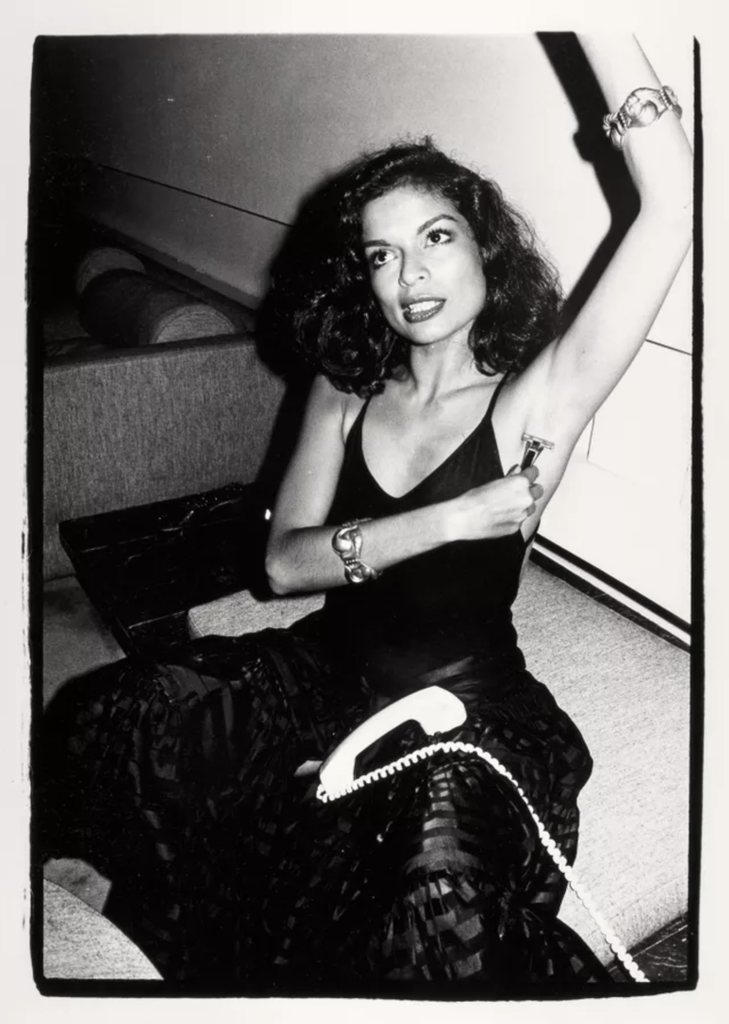
Under the nickname “The 101”, the house became the place for after-parties from Studio 54. Truman Capote, Steve Rubell, Bianca Jagger and Liza Minnelli came through. Andy Warhol photographed Bianca on Plexiglas furniture among floating staircases.
Tom Ford: the architect who became a designer
Tom Ford bought the house in January 2019. Media reports put the price at 18 million dollars. It had been on the market since 2015, originally at 40 million.
Ford studied architecture at Parsons. A friend, Ian Falconer, took him to Studio 54 when he was a student at NYU, and the disco era went on to shape his design. In 1994, his first year at Gucci, velvet hipsters in Halston’s style appeared.
Ford’s relationship with art shows in his films too. In Nocturnal Animals (2016) there are works named directly in the script: Balloon Dog by Jeff Koons and Snow Flurry by Alexander Calder. According to the production designer, Ellsworth Kelly’s Red Curve was meant to come from Ford’s own collection. The team finally couldn’t use it because they didn’t get the artist’s permission.
The restoration and the question of the door
After the purchase, Ford restored the house thoroughly. Most of the work went into the bathrooms and kitchen, while the living room stayed almost untouched.
In 2023 he asked to move the front door 48 centimeters (19 inches) toward the street. People had been sleeping in the recessed entrance, and trash kept collecting there. Yet the Landmarks Preservation Commission rejected the request unanimously. Opposing it, too, were the Rudolph Foundation and the historian Amanda Davis, who argued that the change would disturb the play of light and shadow on the façade.
Writing in Curbed, the critic Christopher Bonanos said the commission did the right thing. In his view, the real problem is not the entrance but a house that sits empty most evenings.
The Met brings Rudolph back into the canon
In recent decades, Rudolph’s fame had almost faded. He was best known for his interiors. Then came the Met.
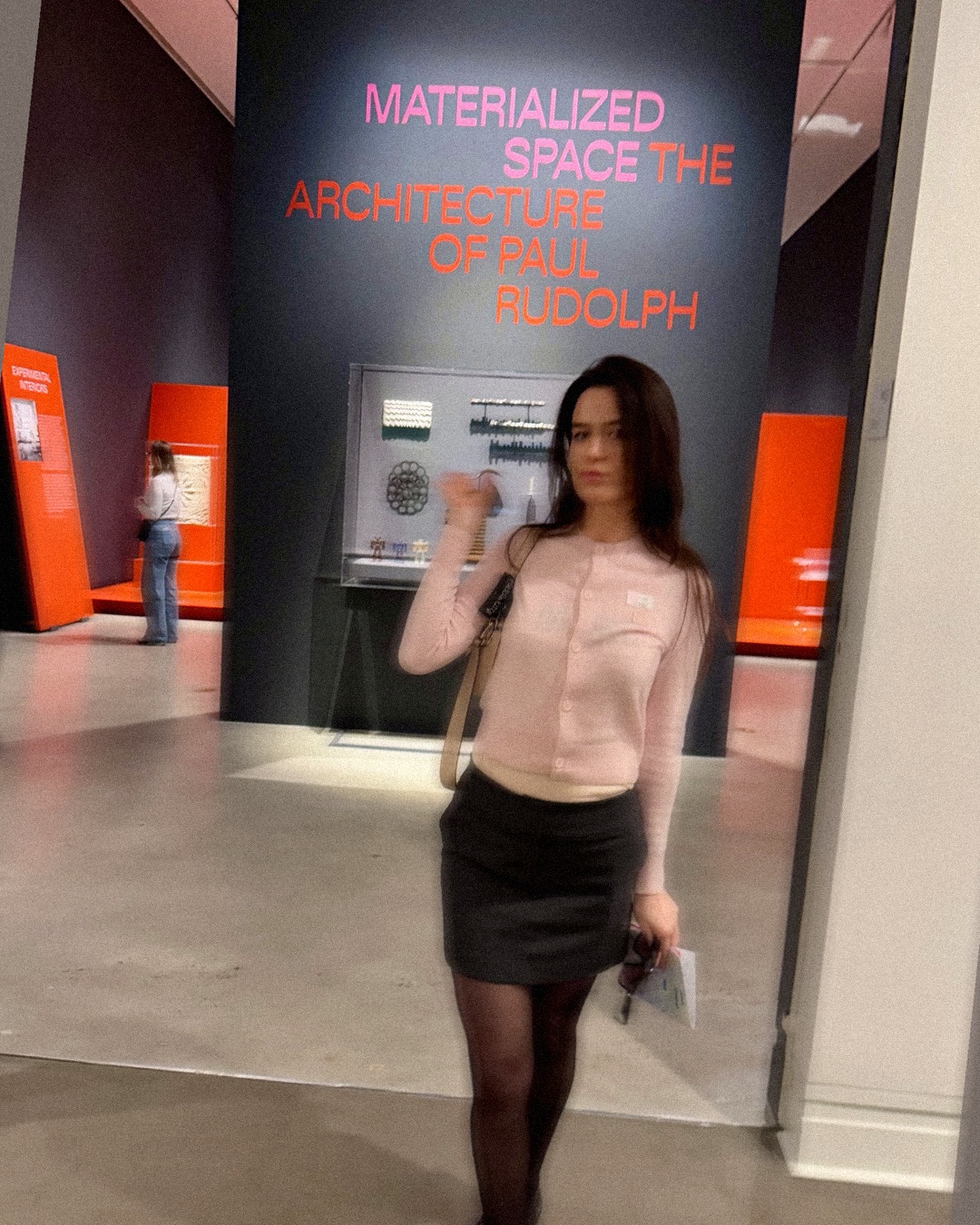
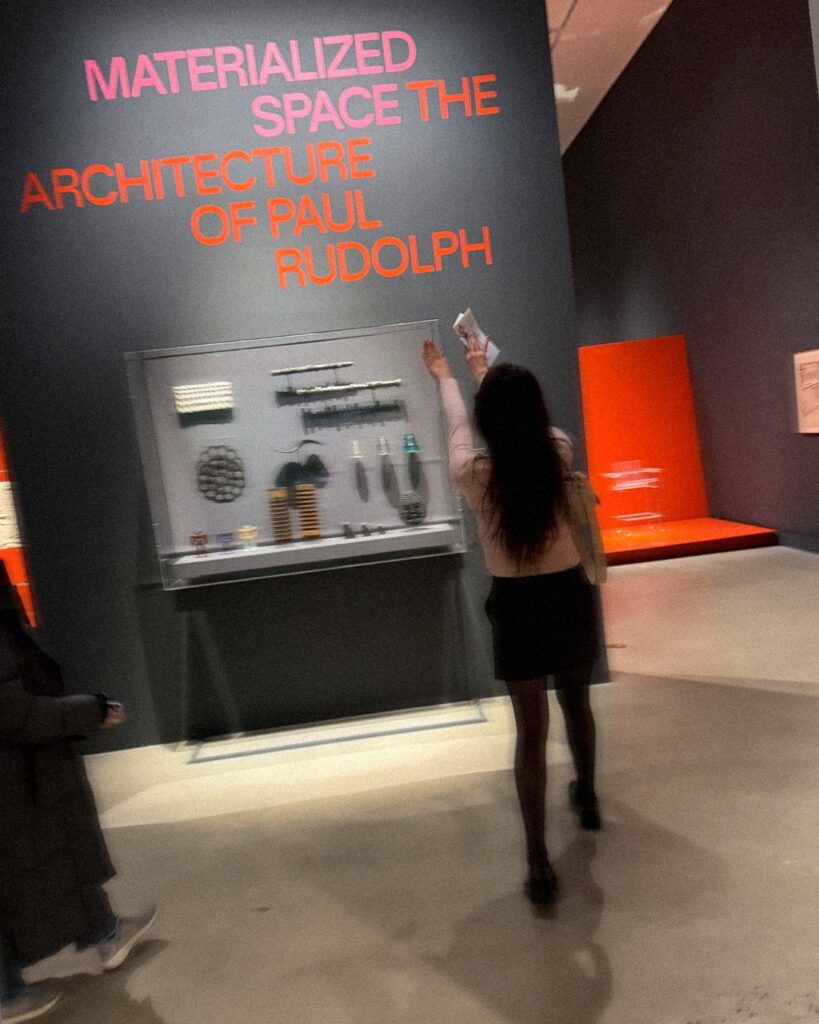
In 2024 and 2025, The Met devoted the exhibition Materialized Space: The Architecture of Paul Rudolph to him. It ran in Gallery 913 from September 30, 2024 to March 16, 2025. It showed more than 80 objects, from drawings and models to furniture and photographs.
Rudolph is the first architect to have a solo exhibition at the Met since Marcel Breuer in 1972. An architect’s name appeared on the museum’s façade. Curator Abraham Thomas called it “a big deal” and hopes it is only the first of many.
Rudolph’s legacy is coming back elsewhere too. The 2021 series Halston brought the house back into public awareness. Netflix, however, shot it in a different house in Brooklyn.
What the house says about art and fashion
Halston House shows how architecture, fashion and art overlap. Rudolph designed it as a closed sculpture. Halston turned it into a stage. Ford restores it as a collector and a former student of architecture.
The house remains closed to the public. If you are in New York, walk down 63rd Street. You will see a façade of steel and glass in which you can read an entire era.
Sources: PIN–UP Magazine (Michael Bullock, interview with Abraham Thomas); The Metropolitan Museum of Art; Paul Rudolph Institute for Modern Architecture; Curbed / New York Magazine (Christopher Bonanos, March 8, 2023); The Architect’s Newspaper; Galerie Magazine; Artnet News; Wikipedia; Britannica.