The London Open House Festival is back for its 35th edition. From 12 to 20 September 2026, it opens the doors of more than 600 buildings across all 33 London boroughs. Private homes, iconic buildings, and normally inaccessible landmarks are, for nine days, freely open to the public. The festival, meanwhile, is run by the charity Open City.
The festival works beyond the festival days too
According to Manijeh Verghese, CEO of Open City, the festival changes people’s relationship to specific places and neighbourhoods. In fact, seventy per cent of visitors in 2025 were accessing the spaces they visited for the very first time. The effect, however, reaches beyond the festival days themselves. Verghese, for instance, speaks of visitors who later become volunteers, sometimes even going on to enter the architecture profession.
Part of this longer-term impact, moreover, is the Golden Key Academy programme. In Haringey, for instance, local residents, often community leaders, were trained as paid tour guides. As a result, a group called the Rebel Guides will launch their tours during this year’s festival.

Highlights according to Open City
Among Manijeh Verghese’s three personal favourites this year is Wapping Hydraulic Power Station, London’s last hydraulic power station, built in 1890 and closed for the past decade. The Glass Castle Foundation is now turning it into a centre for experimental arts.
Another is Punchdrunk Enrichment Stores, an immersive theatre space in Wembley that works with families, schools, and local communities.
The third tip is the Humanise Spotters Guide, a guide inspired by architect Thomas Heatherwick’s book, inviting the public to look more closely at the built environment around King’s Cross.
Highlights according to Wallpaper*
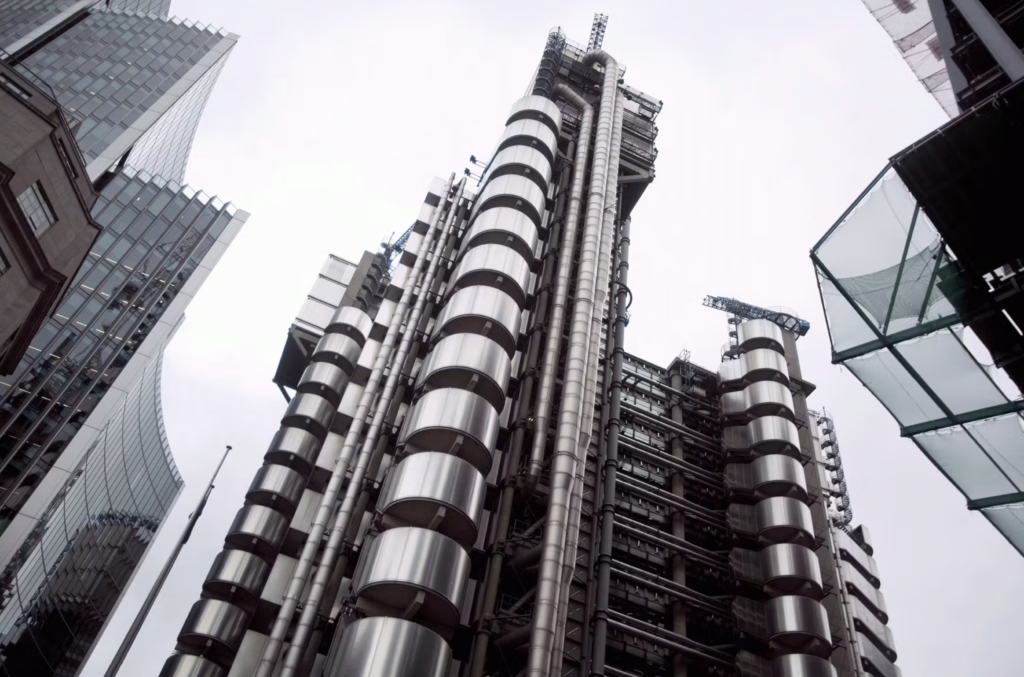
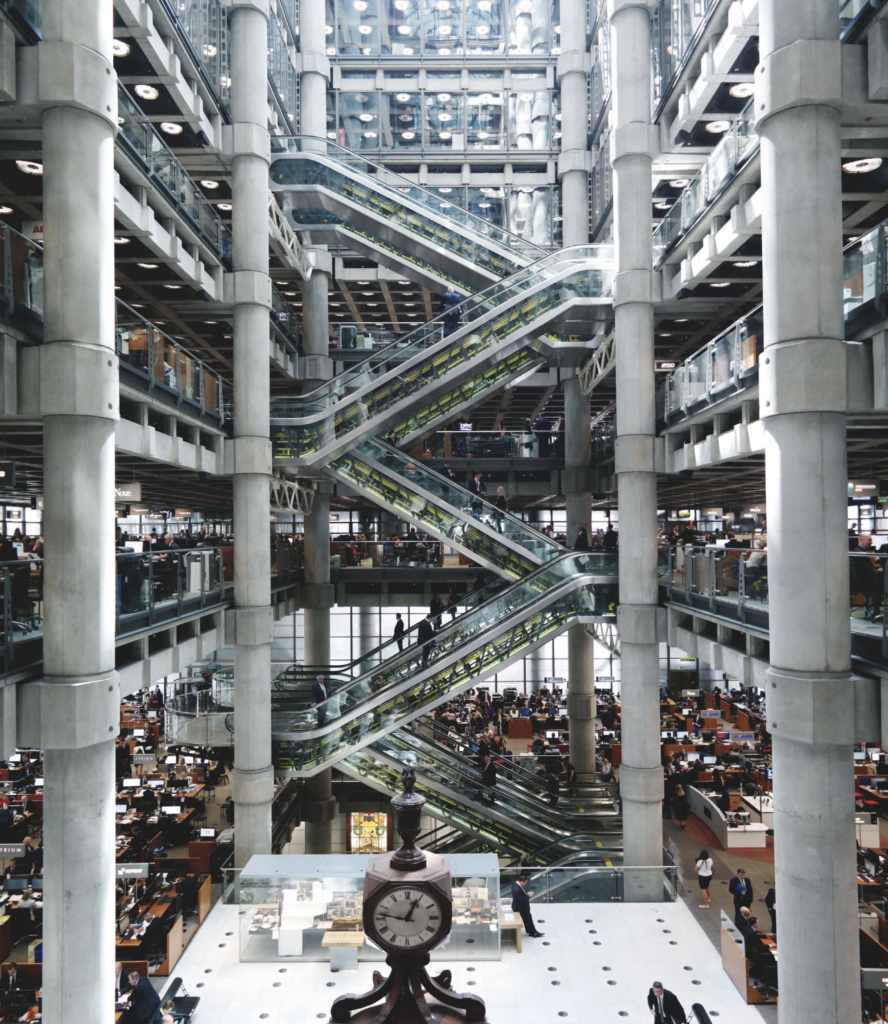
The Lloyd’s Building, home to the insurer Lloyd’s, is made up of three towers surrounding a sixty-metre atrium flooded with light. It now holds Grade I listed status. Indeed, Historic England describes it as one of the key buildings of the modern era.
The Zaha Hadid Foundation is opening its archive for the first time, in the former Design Museum building in Shad Thames, under the direction of Aric Chen.
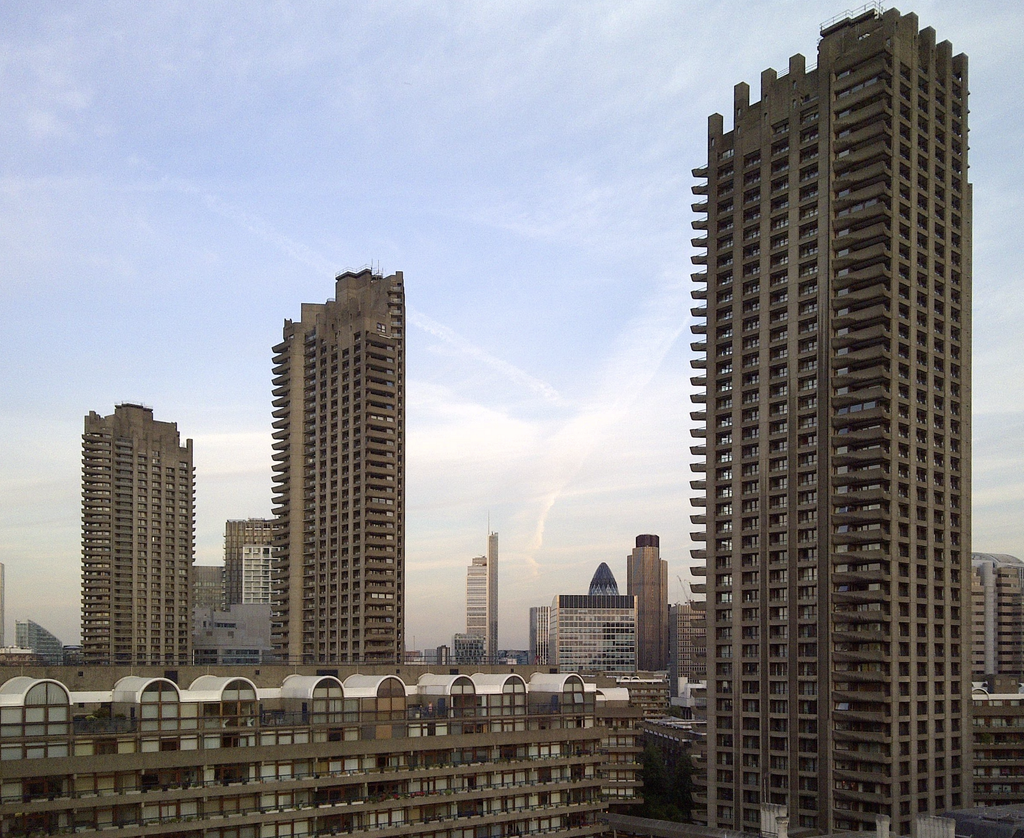
The Barbican Conservatory, an eco-brutalist greenhouse built between 1965 and 1982, awaits renewal by Harris Bugg Studio.
Olympia, a Victorian landmark in west London, is transforming into a cultural hub after five years of construction, thanks to Heatherwick Studio and SPPARC.
The Cloud House, a private pink home by architect Peter Morris in leafy Hampstead Heath, consists of two joined houses and is one of the most playful points on the programme.
The house where the architect lived himself
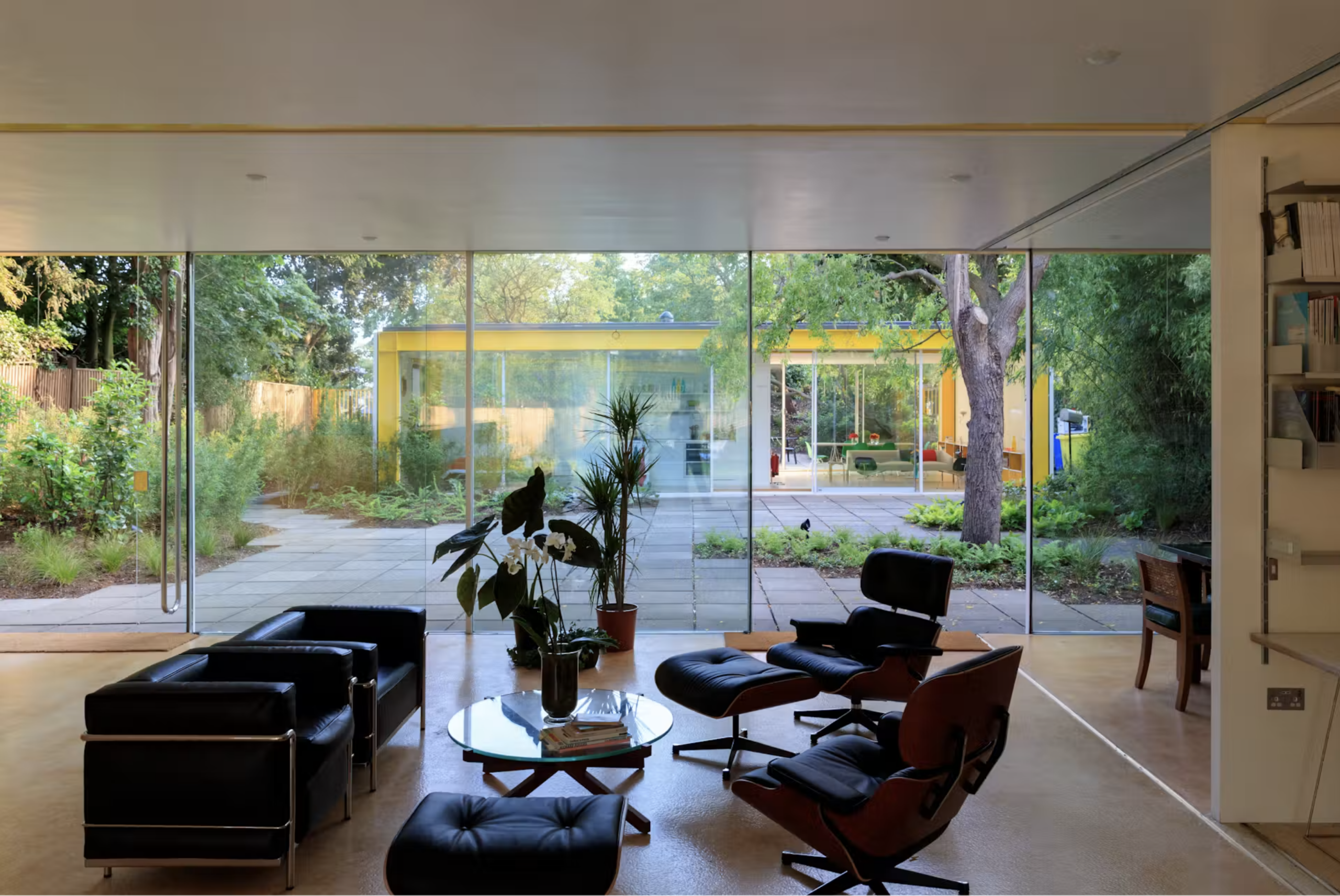
Among this year’s highlights is also 22 Parkside in Wimbledon, the house of Richard and Su Rogers. It’s a modernist gem the architect designed for his own family, recently taken into the care of the National Trust. It also makes for an interesting counterpoint to his large public works like Lloyd’s of London. Here, the same language of glass, steel, and exposed structure appears, just at the scale of a private home.
Where and when
London, citywide programme, 12 to 20 September 2026. Bookings and the full list of open venues at openhouse.org.uk.