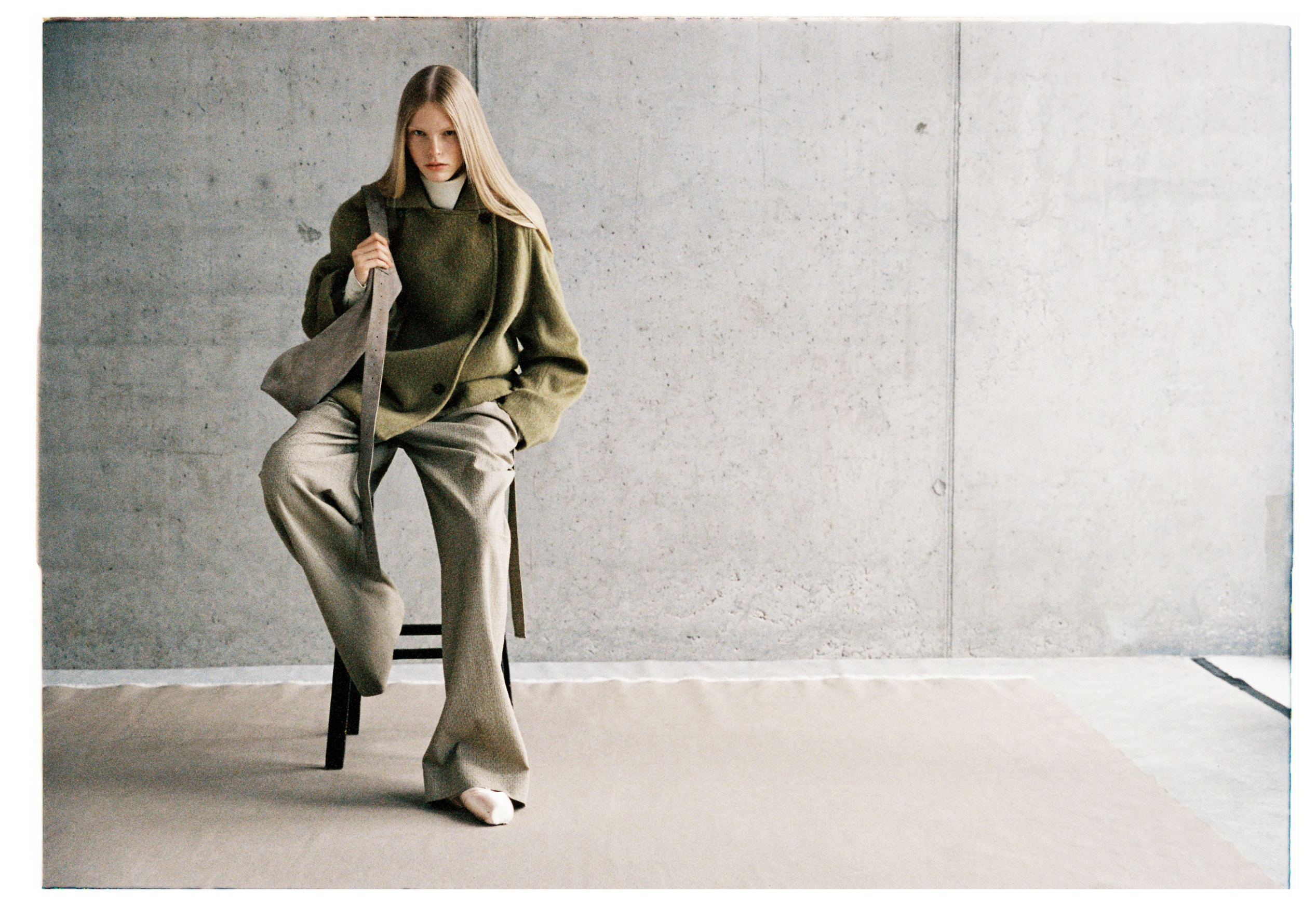
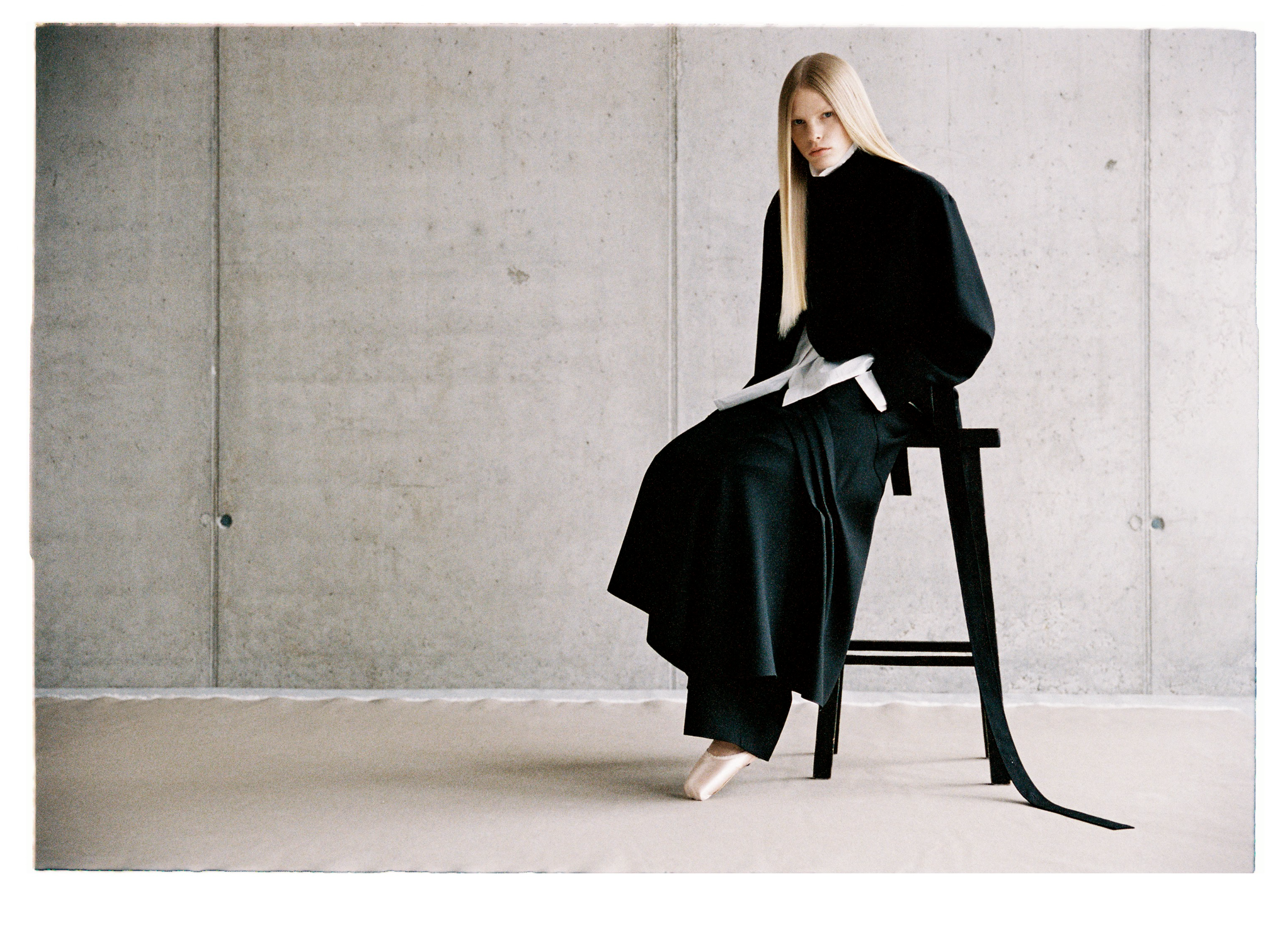
Nehera presents its Fall/Winter 2026 collection under the name “The Power of Understatement.” The world has grown loud. We shout our opinions into space, louder every year. But the brand believes real authority doesn’t need to shout. Instead, it stands firm. It breathes calmly. It asserts itself through its own natural strength.
Quiet authority instead of noise
The women’s collection was born in a spirit of calm, emotion, and quiet authority. Its inspiration comes from the minimalist purity of Agnes Martin’s work. For Martin, perfection wasn’t something forced by will. Rather, it was something perceived.
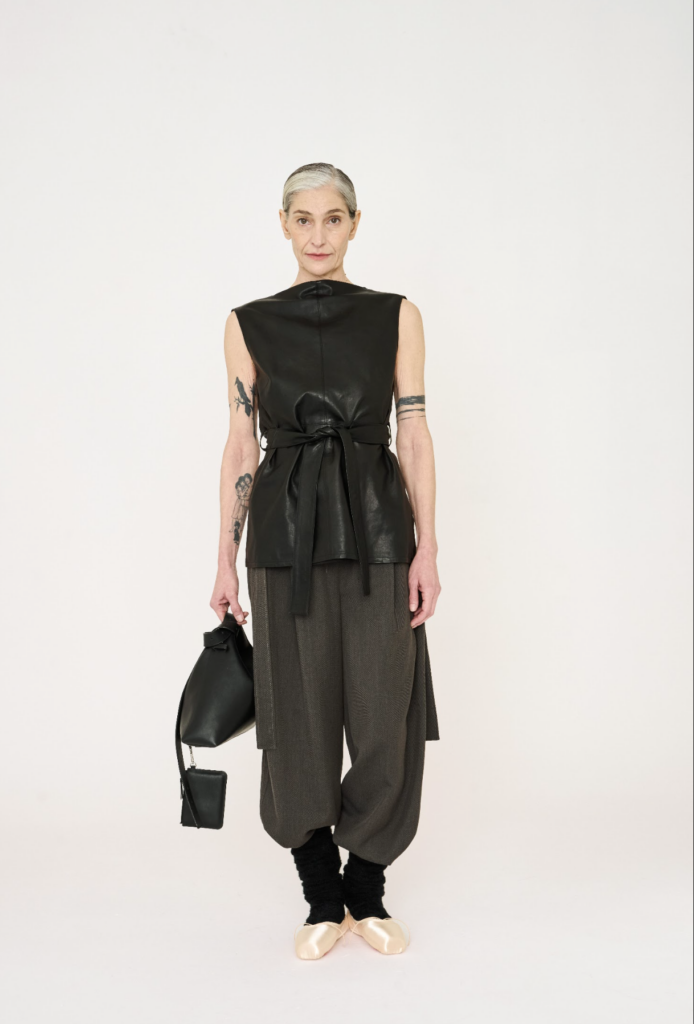
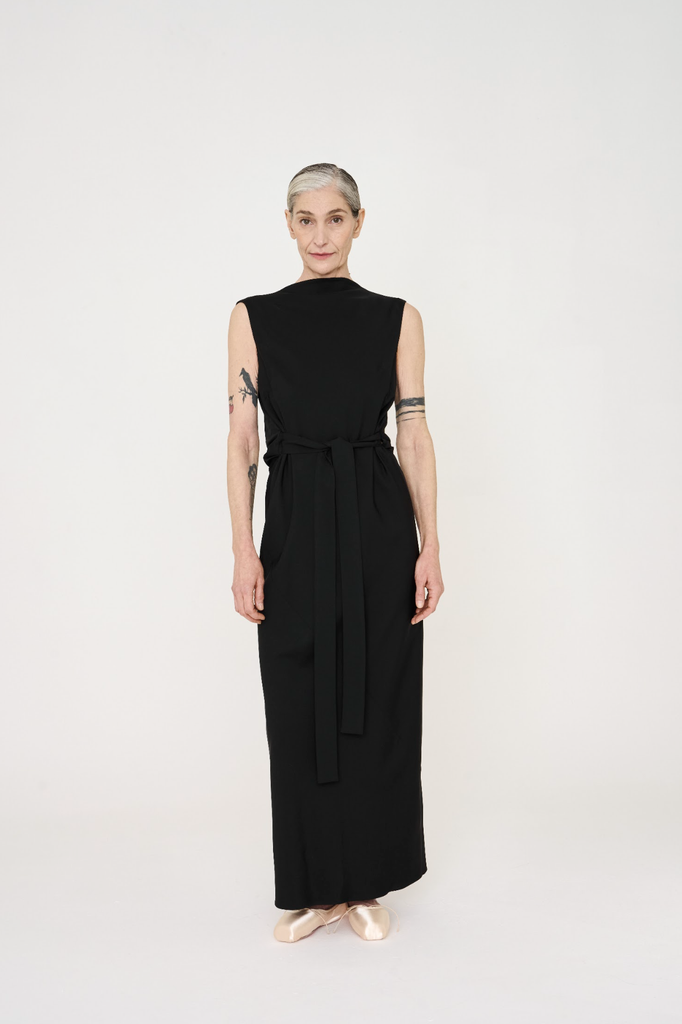
Here, softness intertwines with structure. Femininity meets clean lines and disciplined practicality. Meanwhile, pleats, quilting, and layering build a modular wardrobe defined by intention, not noise. The result: quiet strength that speaks without raising its voice.
The silhouette draws on relaxed tailoring. Bold, cleanly drawn lines soften flowing fabrics and considered volumes. The result is a contemporary interpretation of 1980s precision, reimagined with lightness and softness.
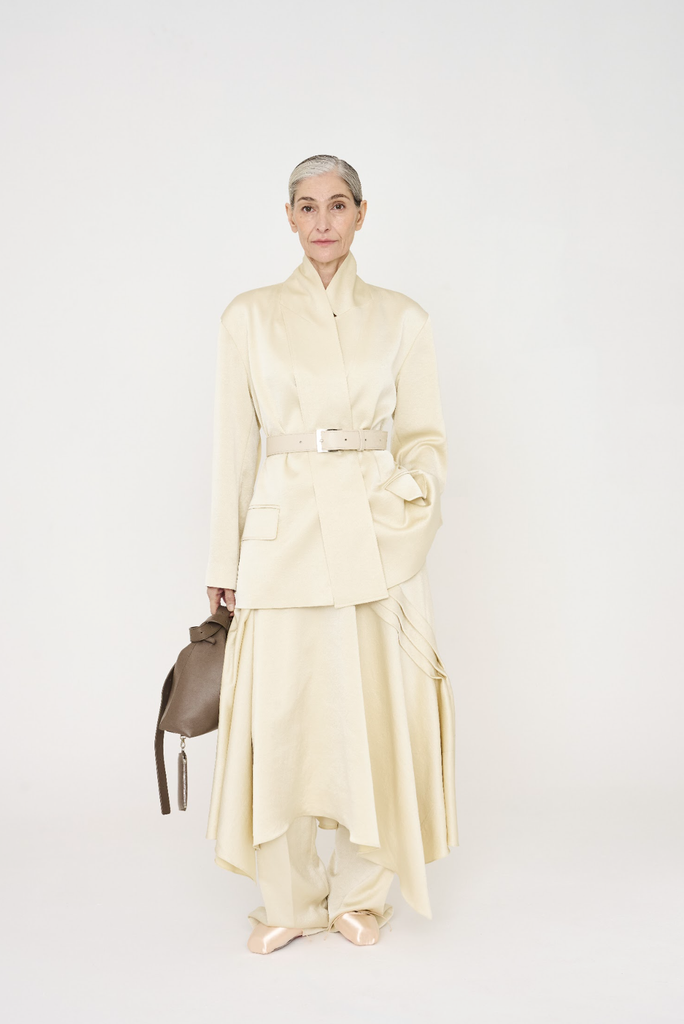

Fabrics that work with light like a painting
The fabrics were chosen for their refined touch. Just as importantly, they had to work with light. They absorb its intensity. They offer comfort. And through their quiet presence, they recall the meditative surfaces of Agnes Martin’s paintings. Together, these textiles form a language that whispers instead of shouting.
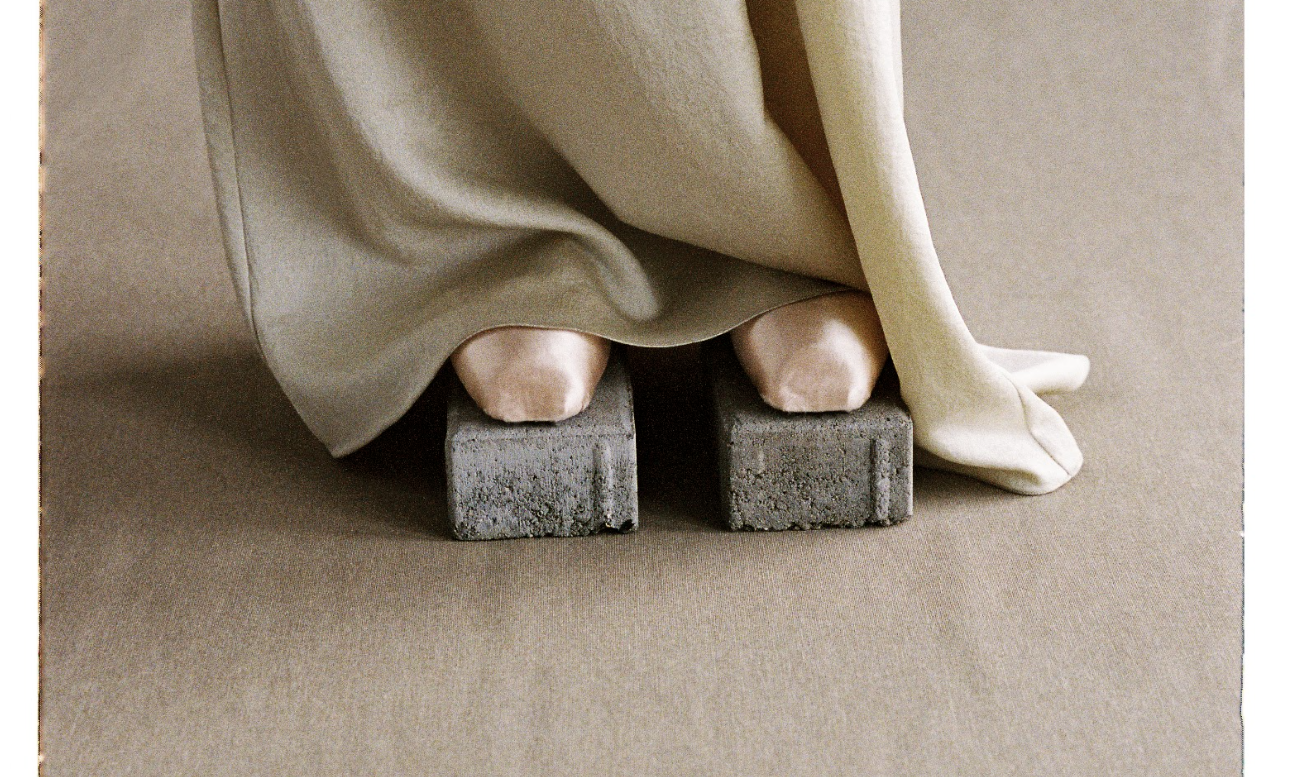
Agnes Martin, architect as much as painter
Agnes Martin wasn’t only a painter. In 1967, at the height of her fame, she abruptly stopped painting, left New York, and settled in isolation in New Mexico, where she built several adobe houses with her own hands.
Today, the most striking architectural link to her work is the Agnes Martin Gallery at the Harwood Museum of Art in Taos, a room designed exactly to her own specifications. The space is octagonal, with a circular skylight, directly beneath which stand four yellow benches by minimalist sculptor Donald Judd.
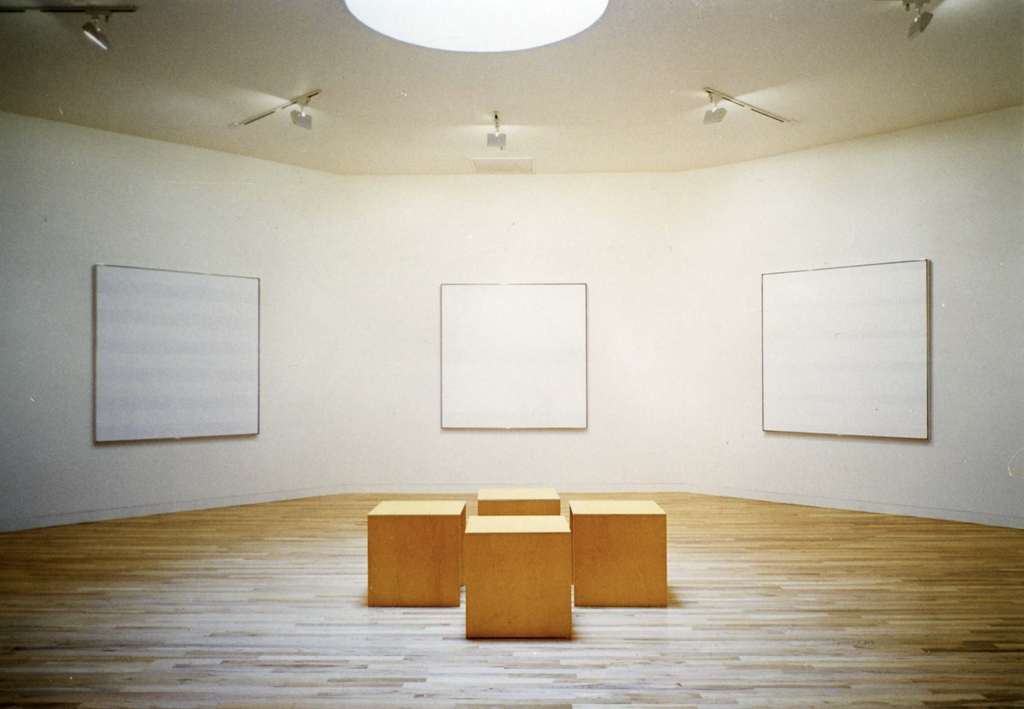
Art historians compare it to other sacred spaces of modernism, such as the Rothko Chapel in Houston or Matisse’s Chapelle du Rosaire in Vence, France — places where painting shifts from an object on a wall into a meditative space of silence.
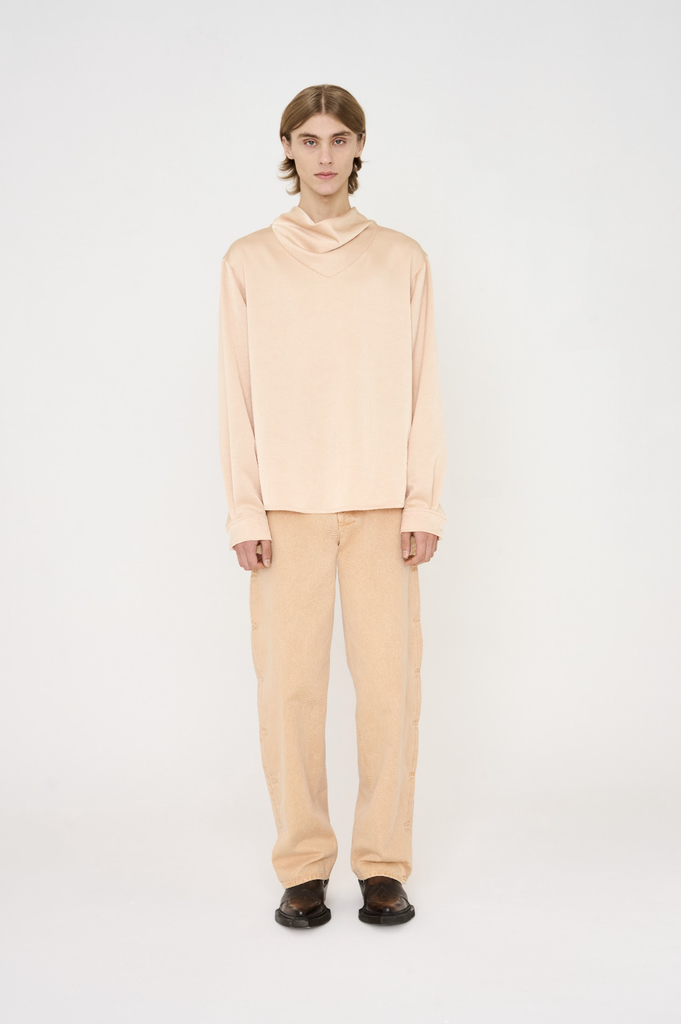
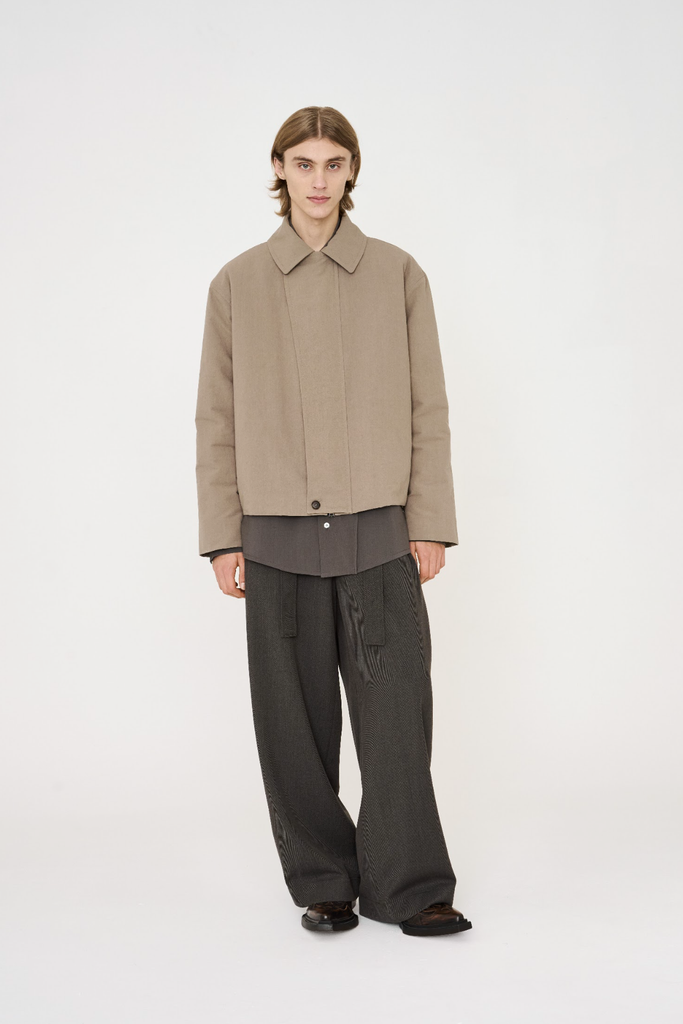
It’s precisely this dual nature of her work — painting and inhabited space — that fits naturally with Nehera’s collection, which works toward the same goal: turning an image of calm into something wearable.
The men’s collection: the same language, a different rhythm
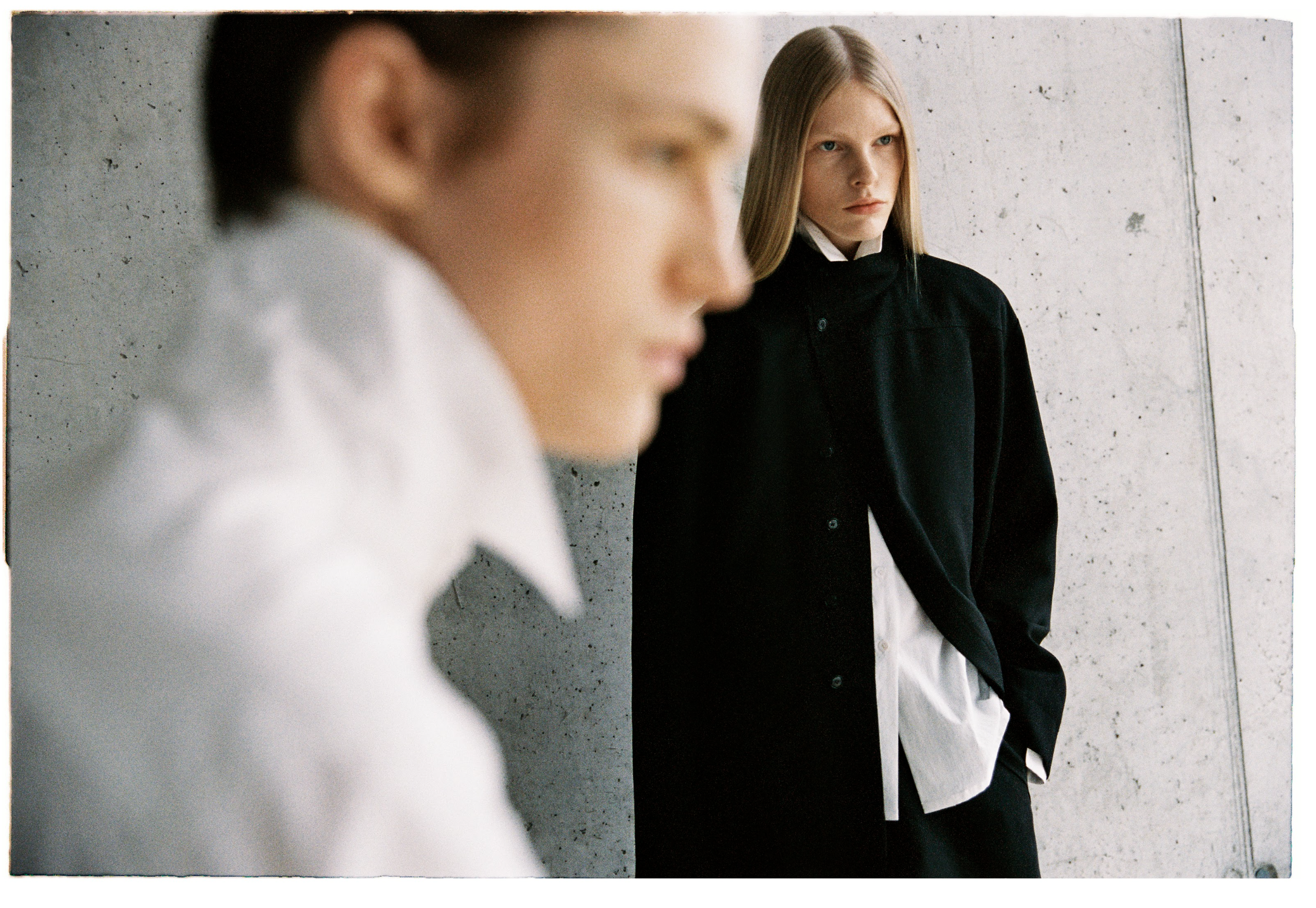
In a world defined by volume, Nehera arrives with a menswear line proposing clarity instead. The same minimalism found in Agnes Martin, and her understanding of perfection as a state of mind rather than a result, shapes clean lines and restrained volumes. The foundation remains refined 1980s tailoring, this time with slightly fuller jackets and soft shoulders that bring greater ease.
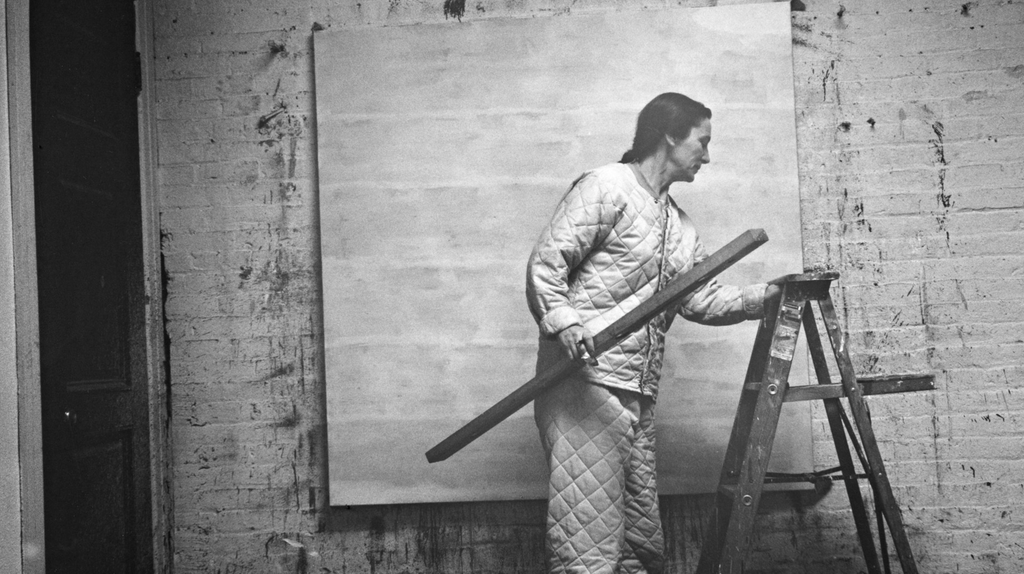
Source: guggenheim.org/exhibition/agnes-martin
A philosophy of less
At the heart of the Nehera brand is functional comfort. In a fashion world obsessed with the word “more,” Nehera finds beauty in the word “less” — and does it with imagination. The timelessness of the designs is reflected in the quality of the materials used, carefully vetted in collaboration with local artisans so that every fiber meets the strictest sustainability standards.
Nehera is an independent Slovak brand that has revived the legacy of a renowned Czechoslovak label that flourished in the 1930s and made its mark on world history by integrating design, manufacturing, and retail. Its craft tradition dates back to 1868, when the first ready-to-wear factory in continental Europe was founded in Prostějov, the Moravian hometown of Jan Nehera.