

Hope as a Dot on the Horizon
Crisis comes. Hope shrinks to a dot on the horizon. What then?
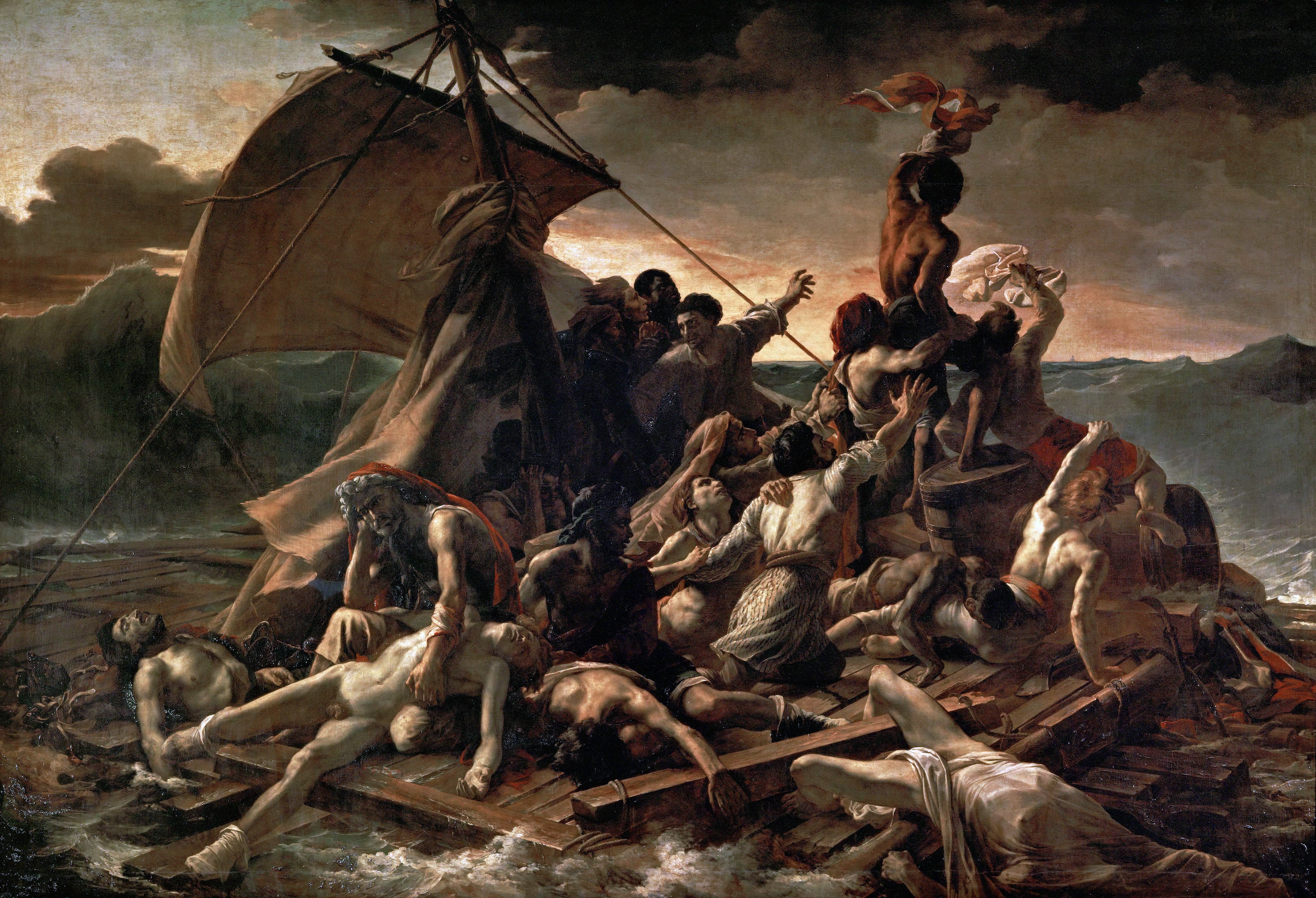
DOX returns to one of the most powerful images in art history, The Raft of the Medusa by Théodore Géricault (1818–1819). It hangs in the Louvre. It has never stopped inspiring. Not through composition. Not through technique. But through the way it captures humanity in the moment between despair and hope.
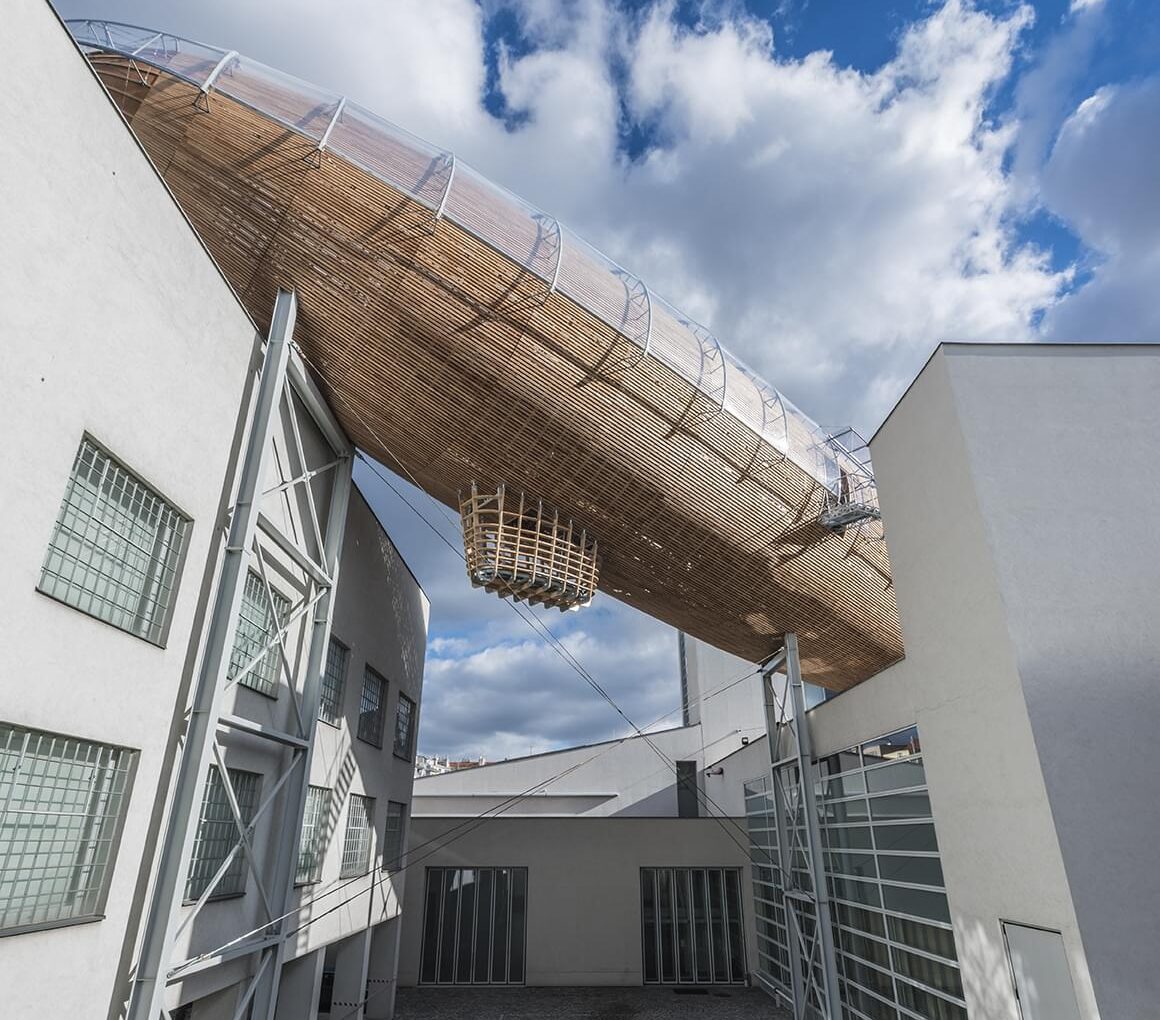
Photo: Jan Slavík © DOX
25 Artists, 13 Countries
The exhibition presents 25 artists from 13 countries: Banksy, Bill Viola, David LaChapelle, Paul McCarthy, Miquel Barceló, Elfie Semotan, Kader Attia, John Beard, Conrad Botes, Sylvie Choisnel, Tom de Freston, Martin Gerboc, Adad Hannah, Hu Jieming, Nikita Kadan, the Kubinskís, Wolfe von Lenkiewicz, Karol Radziszewski, Marek Schovánek, Jakub Špaňhel, Jason deCaires Taylor, Joel-Peter Witkin.
Works were loaned, among others, by the Louisiana Museum of Modern Art, Musée de Picardie, Hauser & Wirth, and the Dalloul Art Foundation.
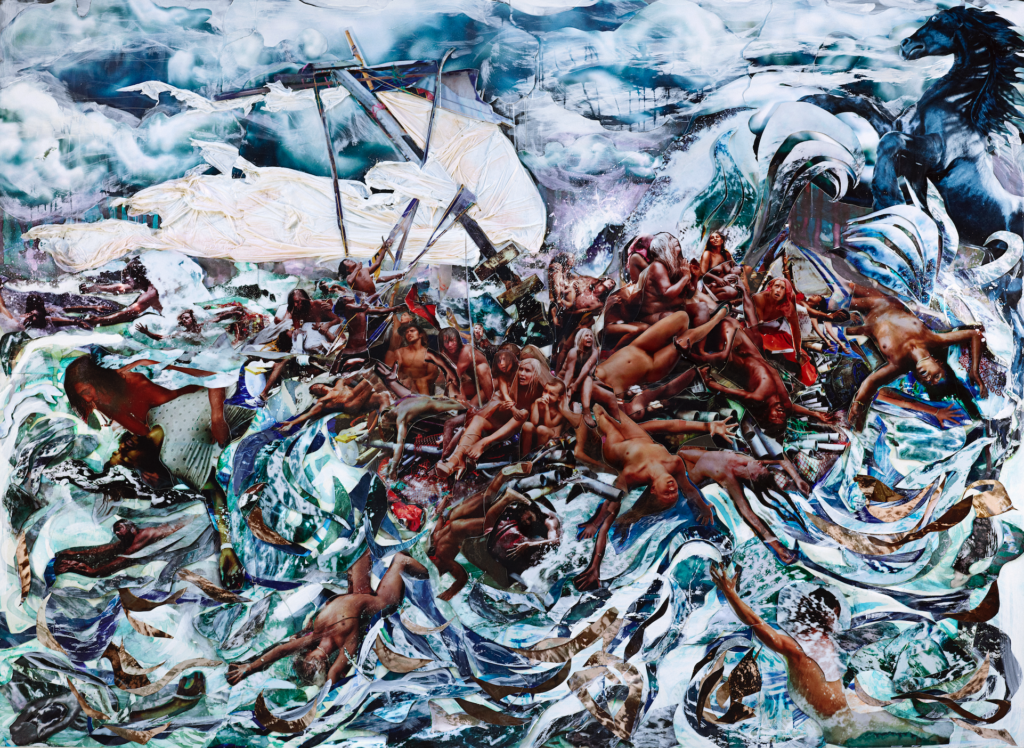
Courtesy of: David LaChapelle Studio, © David LaChapelle 2010–11
The Real Disaster Behind the Painting
In 1816, the frigate Méduse ran aground off the coast of West Africa. Of the 147 people on the makeshift raft, only fifteen survived after thirteen days of despair. Géricault chose the moment the survivors spot the ship Argus in the distance. It’s unclear whether it’s approaching or drifting away.
The Raft as a Mirror of the Present
This is exactly where the exhibition picks up. The raft becomes an image of wars, pandemics, climate crisis, and personal trauma alike. Curator Michaela Šilpochová (with Leoš Válka and Otto M. Urban) sees it as a mirror of the present, not a historical curiosity.
Crossover: Elfie Semotan and Helmut Lang
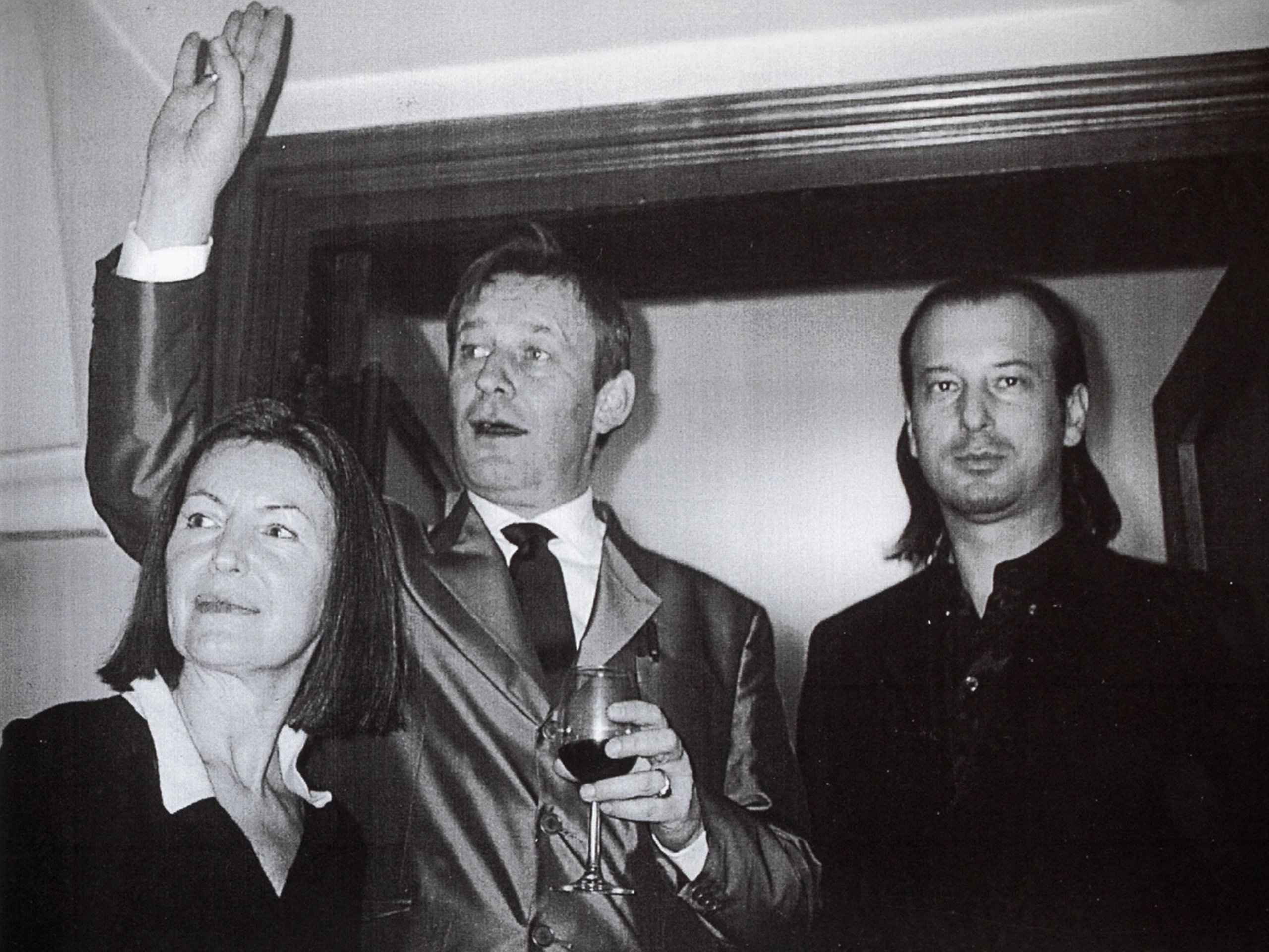
Among the exhibiting artists is Elfie Semotan, an Austrian fashion photographer who worked closely with Helmut Lang and helped shape his brand’s visual identity in the ’90s. In 1996, she married artist Martin Kippenberger. Their wedding was documented in a self-published photo album, 80 black-and-white photographs from the celebrations in Vienna and in Jennersdorf, southern Austria, where John Baldessari, Albert Oehlen, and gallerists Max Hetzler and Gisela Capitain also made appearances. Kippenberger died of liver cancer the following year.
Literature at the Exhibition
The exhibition will also include a special presentation of Julian Barnes’s book The Loss of the Essex, held during the literary and art festival FALL (October 1–4, 2026), whose theme is: Hope Is a State of Mind.
Kedy a kde
DOX, Poupětova 1, Prague 7. October 2, 2026 – April 4, 2027, opening October 1. dox.cz.
