April in Paris always feels packed. This year, though, it’s especially so. Institutions keep outdoing each other in ambition, and the result is a program that forces genuinely painful choices. Here’s a selection of what deserves your attention, from blockbusters to quieter discoveries.
Martin Parr: Global Warning, Jeu de Paume
(1952–2025, British photographer, member of Magnum Photos)
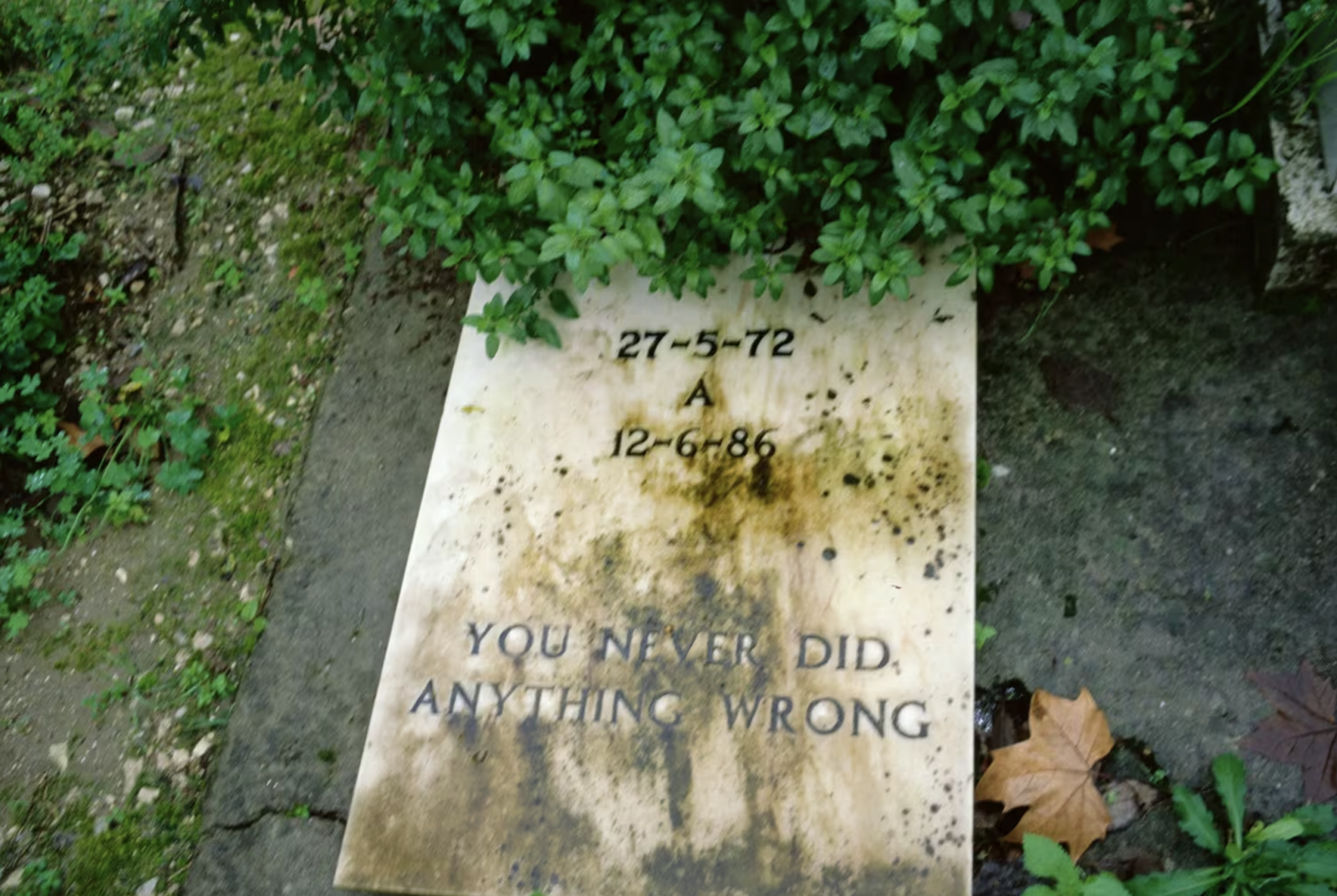
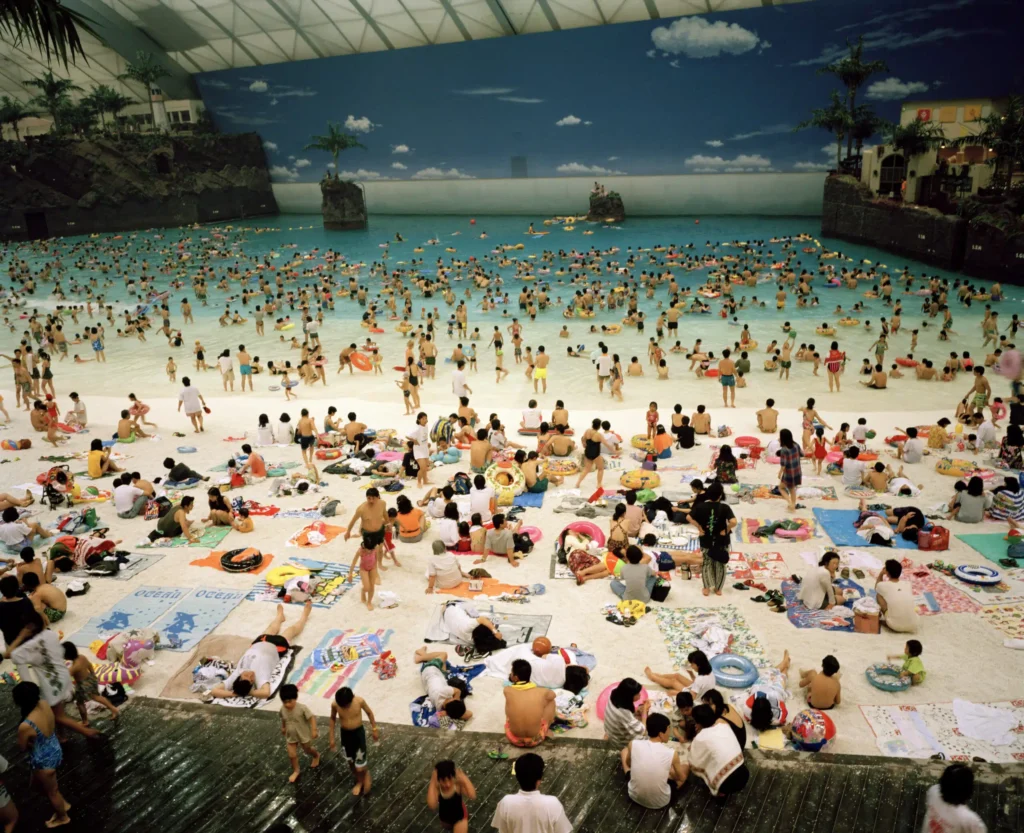
Martin Parr spent his entire life photographing overconsumption, mass tourism, and global inequality, always with a sharp sense of irony. Before his death, he worked on a major retrospective, Global Warning, at Jeu de Paume, which opened on January 30, 2026. It brings together 180 photographs and fifty years of work, an exhibition he never got to see himself. Global Warning isn’t just a title. It reads as a diagnosis of a world that recognizes itself all too well in its own photographs, yet somehow never changes.
January 30 to May 24, 2026.
Lee Miller, Musée d’Art Moderne de Paris
(1907–1977, American photographer, model, surrealist artist, and war correspondent)
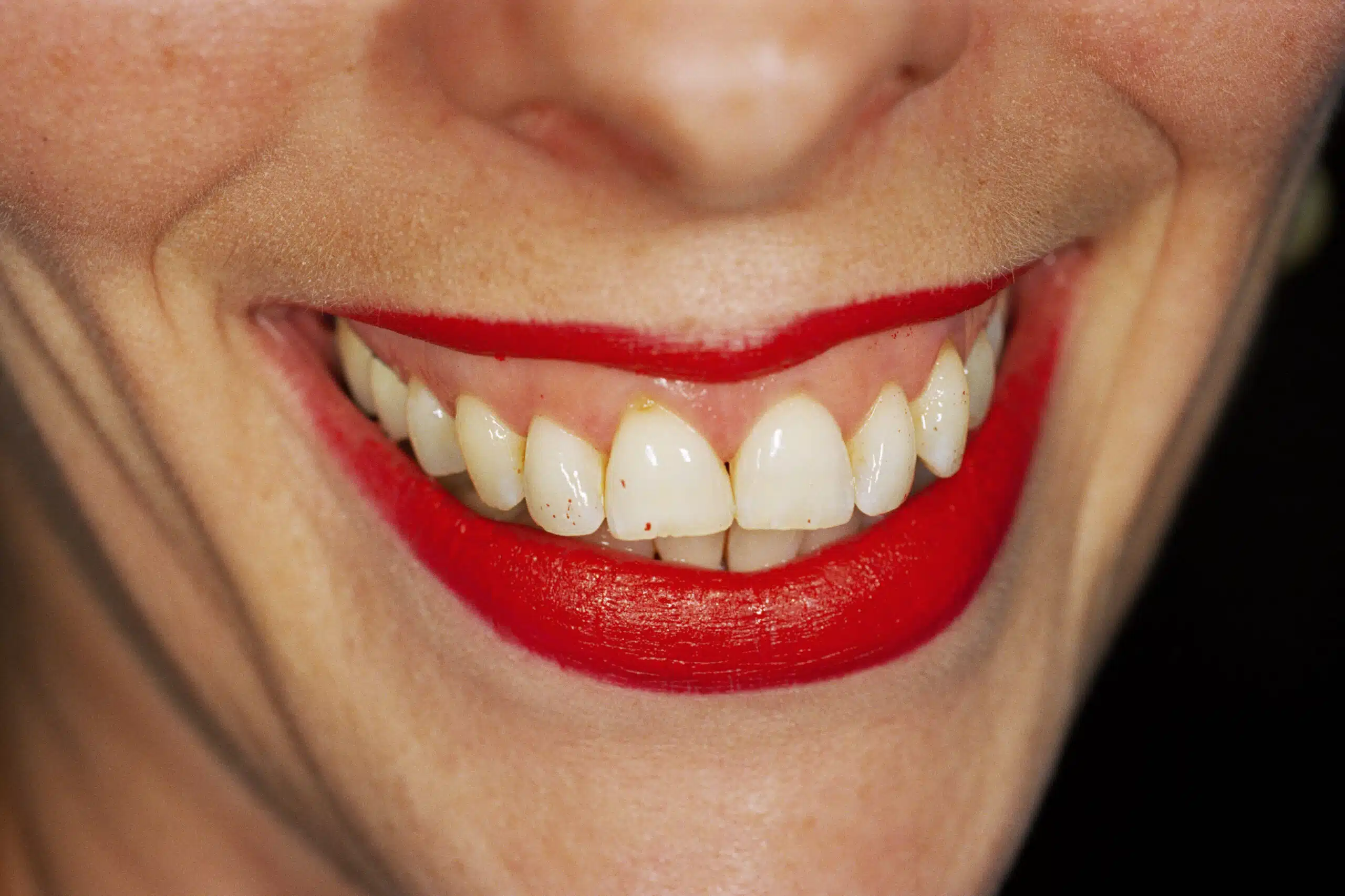
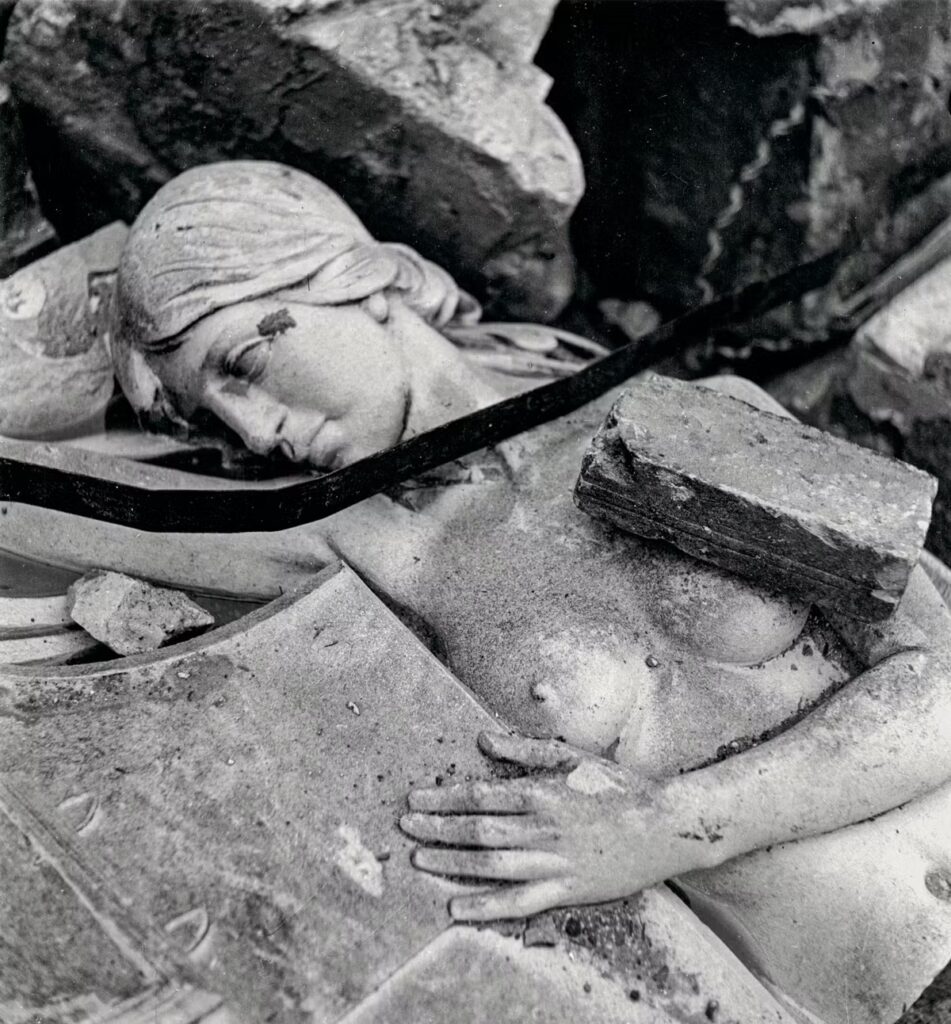
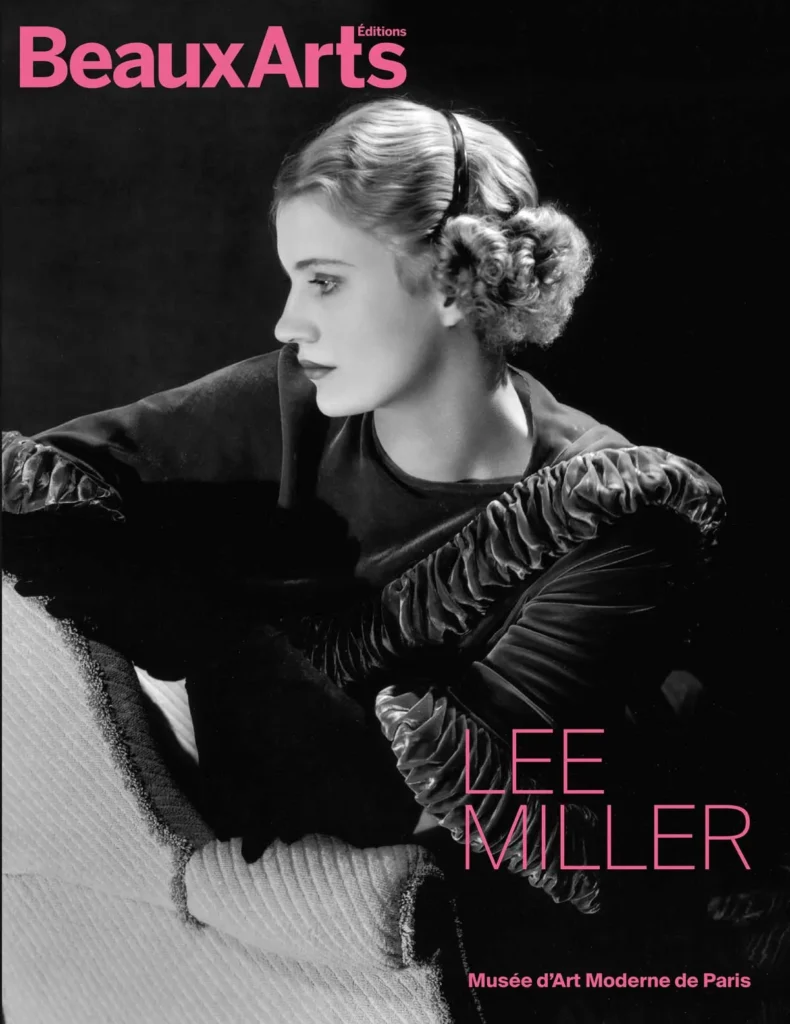
Lee Miller receives a major retrospective at the Musée d’Art Moderne, organized in collaboration with Tate Britain and the Art Institute of Chicago. 250 works trace her extraordinary career, from modeling for Vogue through surrealist photography to war reporting during the liberation of Europe. This same woman who once posed for Man Ray later photographed Bergen-Belsen. Bergen-Belsen was a Nazi concentration camp in Germany, not an extermination camp, but one where tens of thousands died from starvation, disease, and brutality. Lee Miller photographed it after Allied forces liberated it in April 1945, and her images remain among the most powerful documents of the Holocaust. Her life was so fragmented, yet so coherent at the same time, that it genuinely takes a full retrospective to make sense of it.
10. apríla – 2. augusta 2026
Alexander Calder, Fondation Louis Vuitton
(1898–1976, American sculptor, creator of mobiles and stabiles)
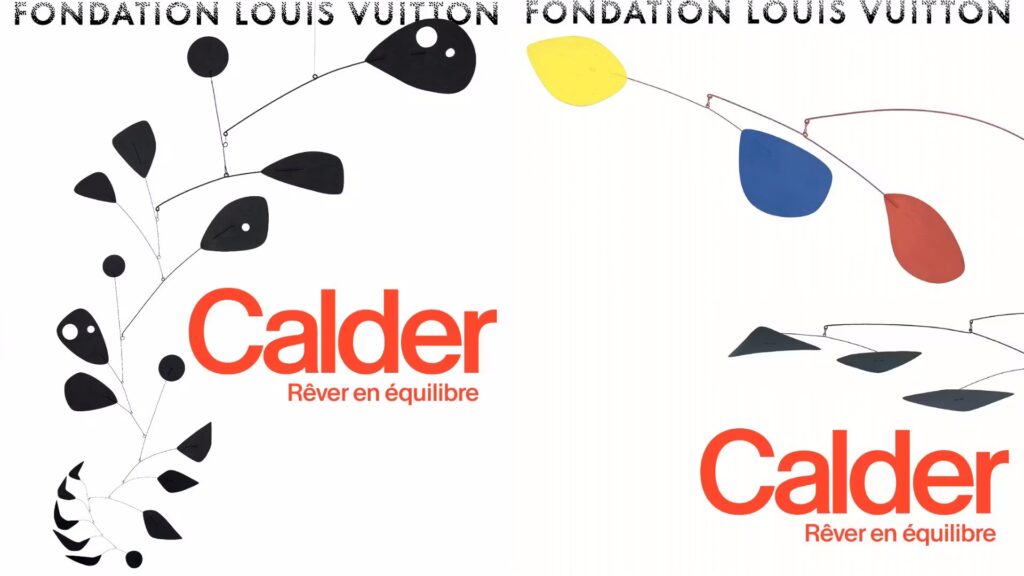
Fondation Louis Vuitton presents an Alexander Calder retrospective, developed closely with the Calder Foundation to mark the 50th anniversary of his death and the 100th anniversary of his arrival in France. His iconic mobiles and stabiles appear within Frank Gehry’s architectural space, alongside sculptures, portraits, and paintings.
April 15 to August 16, 2026.
Nan Goldin: This Will Not Nan Goldin: This Will Not End Well, Grand Palais
(b. 1953, American photographer, activist)
Nan Goldin has photographed her own life for more than fifty years now. She started as a teenager in Massachusetts, and during the 1970s in Boston, she came up with the idea of presenting photographs as a slideshow. Her first major work, The Ballad of Sexual Dependency, captured queer communities in Boston and New York with an intimacy that, at the time, was considered far too close. The Grand Palais dedicates her first major retrospective in France, not to photographs, but to the videos and slideshows Goldin calls “films made from still images.” Six key works, fifty years of practice, and finally, one museum that truly does it justice.
March 18 to June 21, 2026.

Art Paris, Grand Palais
(contemporary art fair, 28th edition)
Art Paris returns to the Grand Palais with around 165 French and international galleries. The 28th edition’s central curatorial theme, Babel — Art and Language in France, brings together 21 artists whose work explores the richness and mysteries of language systems within contemporary French art. The fair manages to hold onto both its regional character and international ambitions, which isn’t something to take for granted.
April 9 to 12, 2026.

Leonora Carrington, Musée du Luxembourg
(1917–2011, British Mexican surrealist painter and writer)
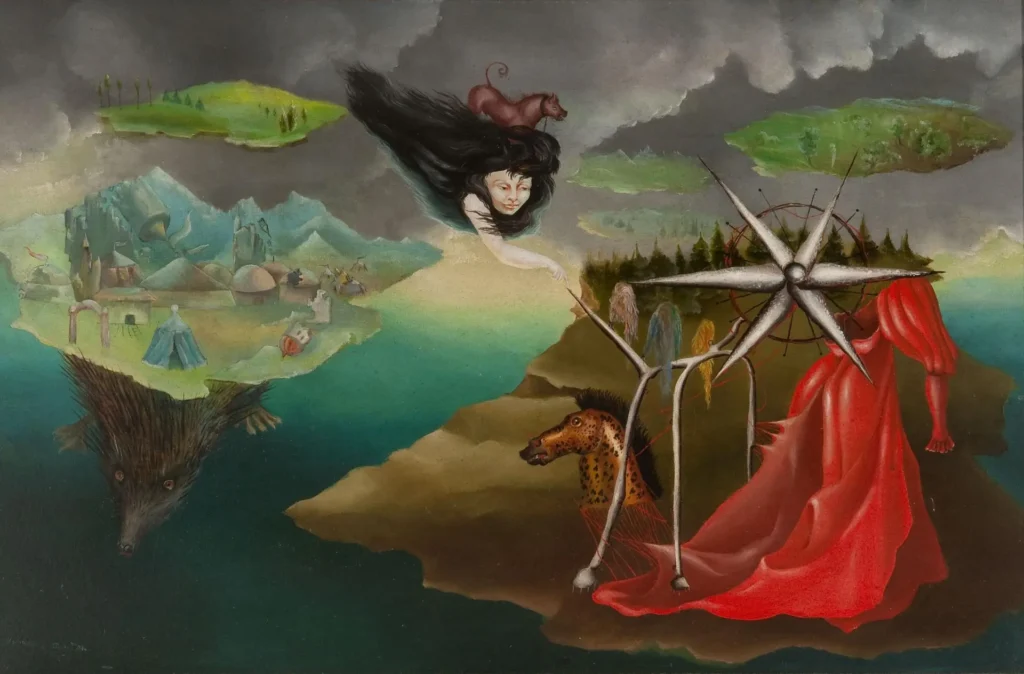
This exhibition, featuring 125 works, focuses on Carrington’s lesser known formative years, the period she spent in Italy and France. As a teenager, she attended an art academy in Florence, and later settled in Paris, moving within the circle of Picasso, Max Ernst, Breton, and Dalí. Surrealism seen through the eyes of a woman who lived it not as a muse, but as an author herself, that perspective remains surprisingly rare even today.
February 18 to July 19, 2026.
Michelangelo & Rodin, Louvre
(a dialogue across centuries)
The Louvre invites visitors to an extraordinary encounter between two giants of sculpture. Here, viewers can trace a fascinating dialogue between the Renaissance’s expressive power and the bold modernity of the 19th century, through iconic works and rare sketches. Implicitly, the exhibition raises a real question: where exactly does the Renaissance end and modernity begin? However, the answer turns out more complicated than it first appears.

Chiaroscuro, Bourse de Commerce / Pinault Collection
(group exhibition, 27 artists)
This exhibition brings together around 100 works by 27 artists from the Pinault Collection, exploring the legacy of chiaroscuro, the technique of tonal contrast between light and dark, within modern and contemporary art. This technique first appeared in Mannerist and Baroque paintings of the 16th century, most notably in Caravaggio’s work, and it has inspired artists ever since, working across painting, drawing, sculpture, film, installation, and digital art. Among the highlights is Pierre Huyghe’s film work Camata (2024), presented in the Bourse de Commerce rotunda.

Henri Rousseau, Musée de l’Orangerie
(1844–1910, French naive painter)
The exhibition The Ambition of Painting at the Musée de l’Orangerie, in partnership with the Barnes Foundation, brings together fifty key works, including several never exhibited before. It explores the career of this self-taught artist, his technique, and his role within the modern art market. Rousseau worked as a customs officer who painted jungles he had never actually seen. That’s either a diagnosis or a definition of imagination, depending on how you look at it.
March 25 to July 20, 2026.

Renoir and Love, Musée d’Orsay
(1841–1919, French Impressionist painter)
The Musée d’Orsay pays tribute to Renoir and his tender vision of human relationships. This retrospective explores how the Impressionist master celebrated love in all its forms, through social scenes, intimate portraits, and female figures. The museum co-organized the show with the National Gallery in London and the Museum of Fine Arts, Boston.
March 17 to July 19, 2026.