What do a 16th-century woman painter, six students who broke through in London in 1986 and a port with a building by Zaha Hadid have in common? Antwerp. I’m going there for the fashion, but this winter the city has plenty to show beyond it. This is my selection, and a report from the trip is coming soon.

Peter Paul Rubens
Antwerp is the city of Peter Paul Rubens (1577–1640). This is where he lived, painted and ran one of the largest workshops of his time. His house and studio, the Rubenshuis, is being restored and will reopen in 2030 at the earliest. Since August 2024, however, visitors can enter a new reception building with the Rubens Experience and the restored Baroque garden, whose colour palette was devised with advice from Dries Van Noten of the Antwerp Six.
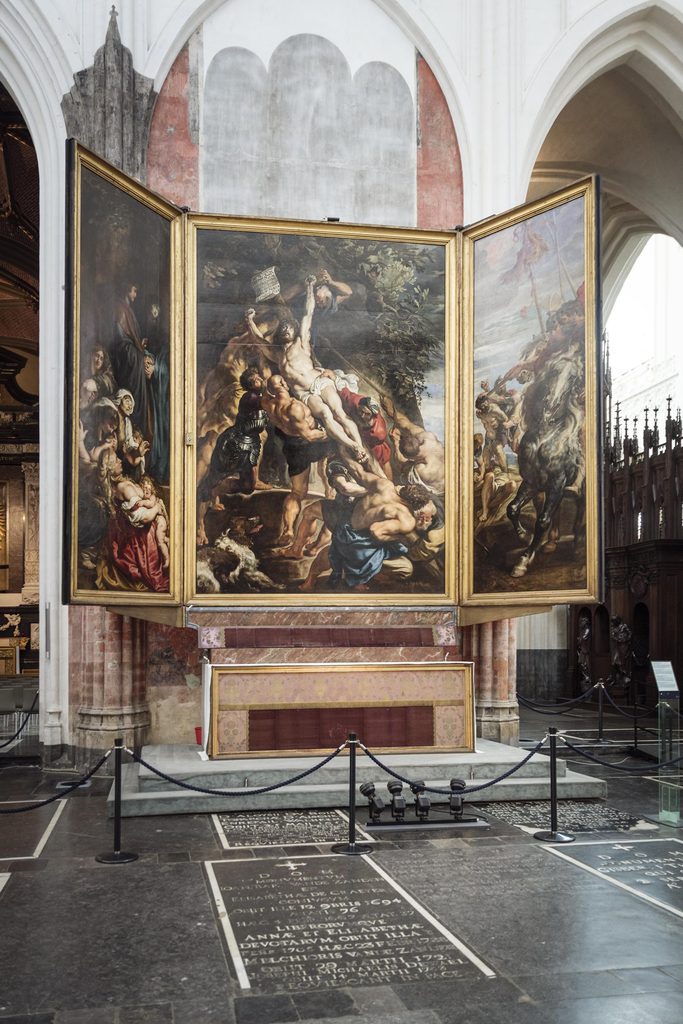
Rubens’s works can be found all over the city: the altarpieces The Elevation of the Cross and The Descent from the Cross in the Cathedral of Our Lady, large canvases at KMSKA and the portraits he painted for the Plantin-Moretus family of printers. In 2027 the city will mark the 450th anniversary of his birth, and the Snijders&Rockoxhuis, the home of his friend and patron Nicolaas Rockox, is preparing a major exhibition for the occasion.
Fashion
Ann Demeulemeester and Marina Yee
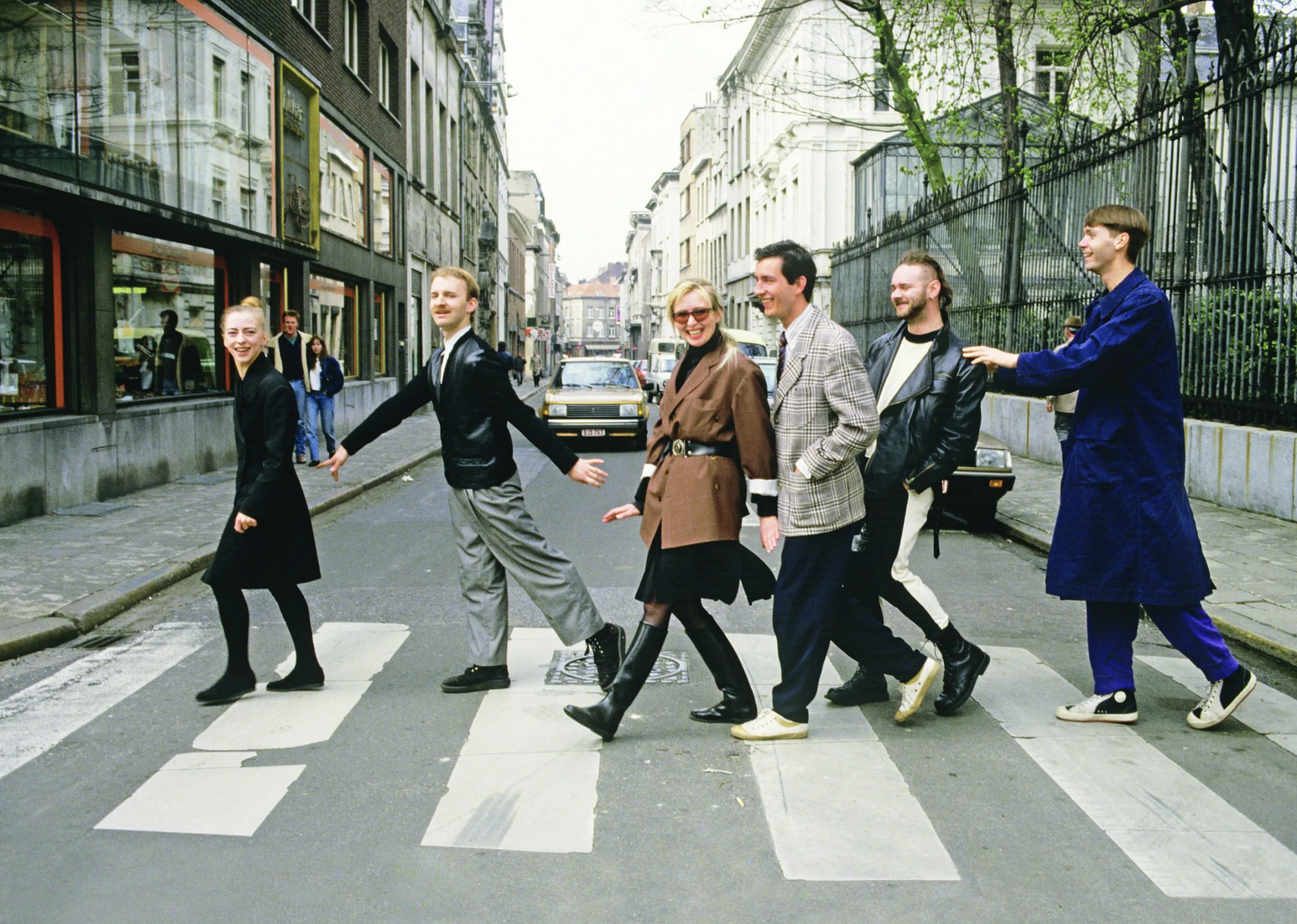
In 1986, six graduates of Antwerp’s Royal Academy of Fine Arts travelled to London for the British Designer Show. Journalists, however, couldn’t get their tongues around their names, so they simply called them the Antwerp Six. Yet two of those names belong to women: Ann Demeulemeester and Marina Yee.
Four decades later, MoMu dedicates the exhibition The Antwerp Six to them, the very first devoted to the whole group. Curators Geert Bruloot, Romy Cockx and Kaat Debo also show that this was never one brand, but six separate paths. The exhibition closes with Demeulemeester’s row of black silhouettes from across her career.
Marina Yee, described as the quietest and most elusive of the six, sadly did not live to see the exhibition: she died in 2025. The Antwerp Six is open until 17 January 2027, so there is still time to visit.
Julie Kegels
Forty years later, Julie Kegels comes from the same academy. She founded her label in 2024, shortly after graduating, having previously worked at Alaïa. She has been on the official Paris Fashion Week calendar since the spring/summer 2026 season.
September 2026 moved fast. On the 4th, at the Fondation Louis Vuitton, she won the LVMH Prize, which brought her €400,000 and a year of mentoring. Three weeks later, on 28 September, she opened Paris Fashion Week with her spring/summer 2027 collection.
MoMu director Kaat Debo sees a Belgian surrealist twist in her work: conceptual, yet very feminine. She is reluctant to compare her to the Six, but she does name one similarity: like them, Kegels is building her own team around her, from graphic designers to make-up artists and set designers.
Raf Simons and Pieter Mulier
Raf Simons comes from Neerpelt, near the Dutch border. He studied industrial and furniture design and, as a student, interned with Walter Van Beirendonck of the Six. He founded his own label in Antwerp in 1995, encouraged by Linda Loppa, then head of the Academy’s fashion department.
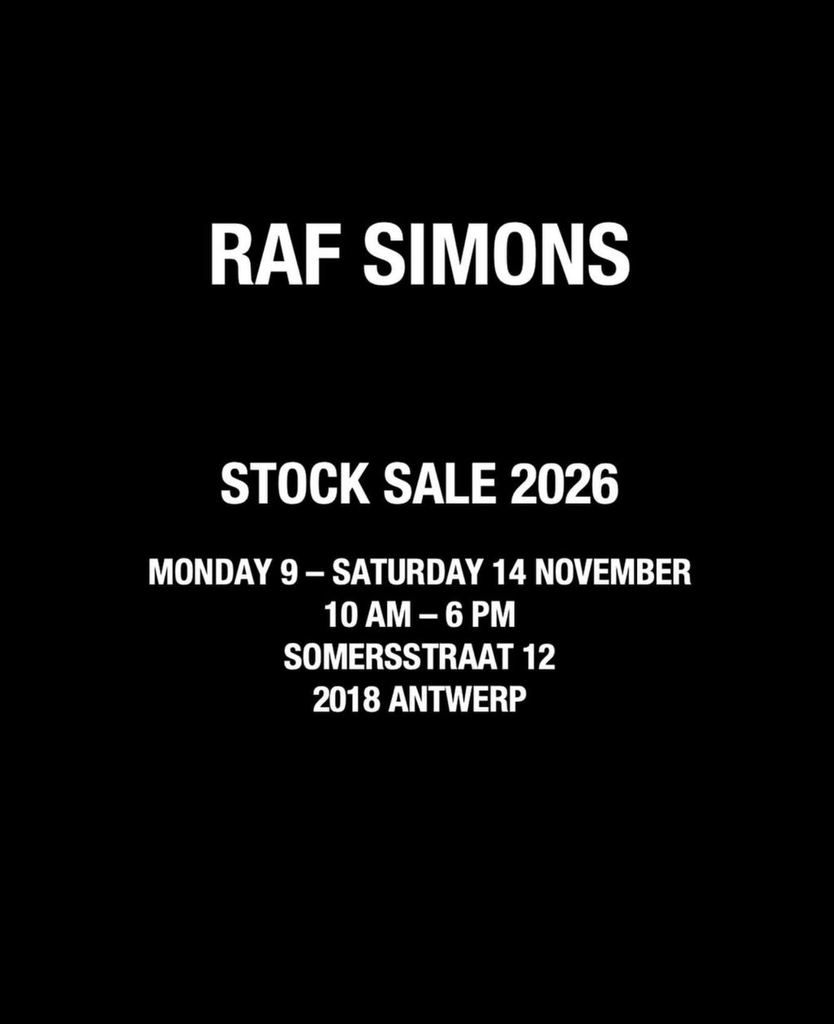
Simons went on to lead Jil Sander, Dior and Calvin Klein, and since 2020 he has co-directed Prada with Miuccia Prada. He closed his own label in 2022. Yet for many years Antwerp was both his home and the base of his studio.
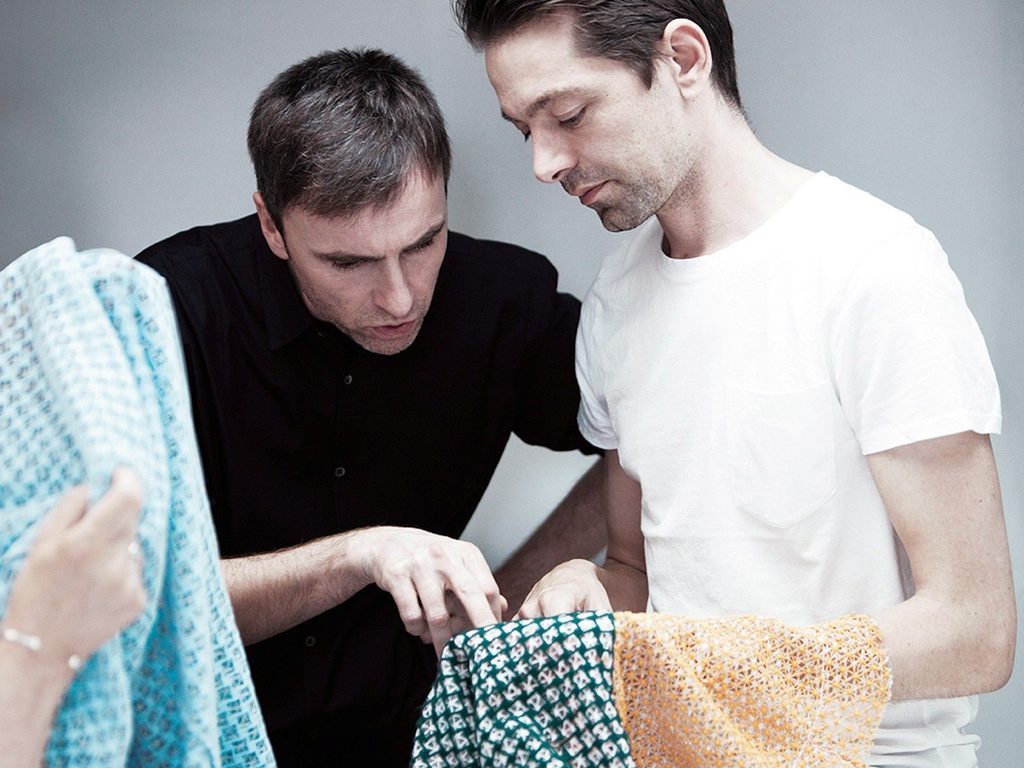
Pieter Mulier was Simons’s right hand at Jil Sander, Dior and Calvin Klein. He spent five years leading Alaïa, where Julie Kegels had also worked, and since July 2026 he has been creative director of Versace. He lives in Antwerp, and his house was recently featured in The World of Interiors.
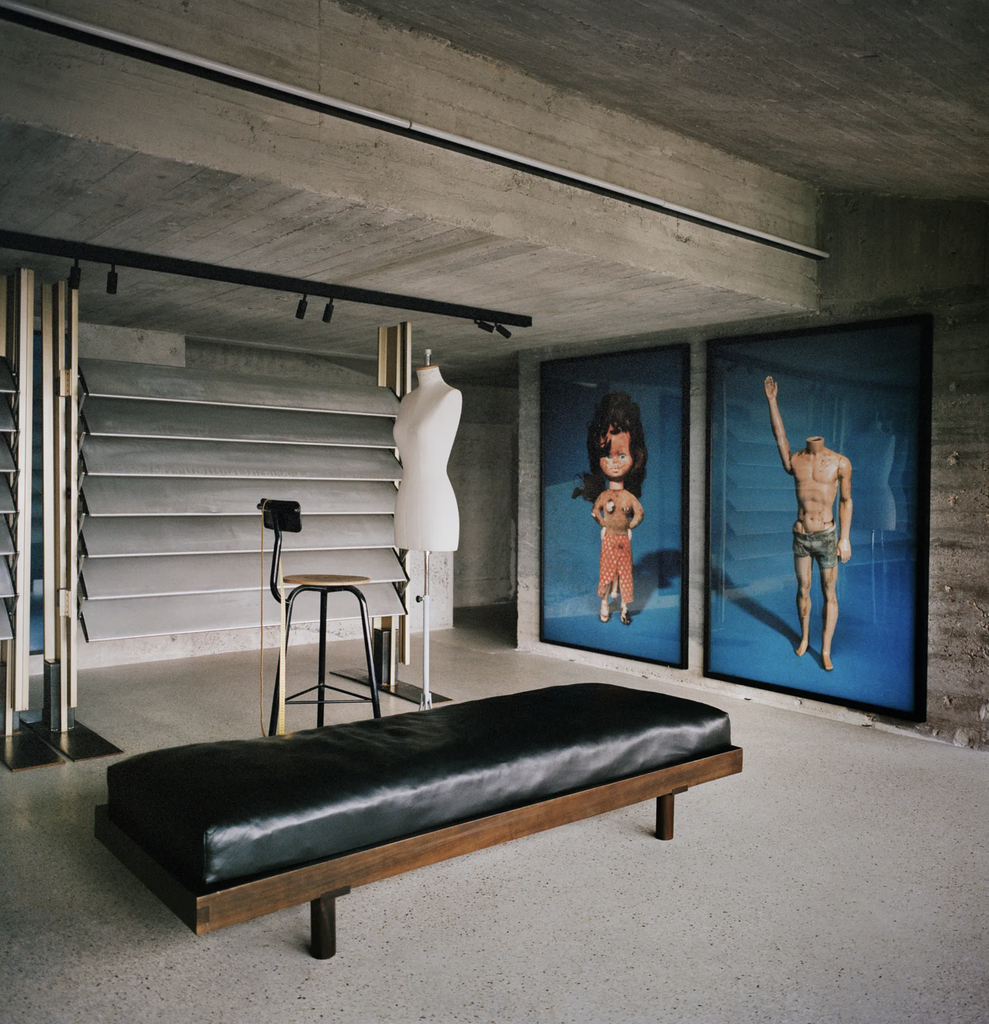
Art
Catharina van Hemessen
Catharina van Hemessen (1528 – after 1565) is the first woman artist from the Habsburg Netherlands whose work has survived. She learned to paint in the studio of her father, Jan Sanders van Hemessen, and most likely worked on his paintings too.
With Van Hemessen & Father, the Snijders&Rockoxhuis presents the very first retrospective of the Van Hemessen family. Thirty-three works return almost to where they were made: the studio stood just a few steps from today’s museum. Most of her surviving paintings are thus reunited after nearly 500 years.

The exhibition runs until 31 January 2027. In a more focused form, it then travels to London’s National Gallery, where from March you can also see her Self-Portrait at the Easel (1548). It is considered the earliest surviving self-portrait of an artist at work, woman or man.
Lee Bul
Korean artist Lee Bul (b. 1964) is one of Asia’s most influential contemporary artists. She started out with radical performances such as Abortion (1989) and later became known for her Cyborg sculptures and architectural installations about the utopias of modernism.
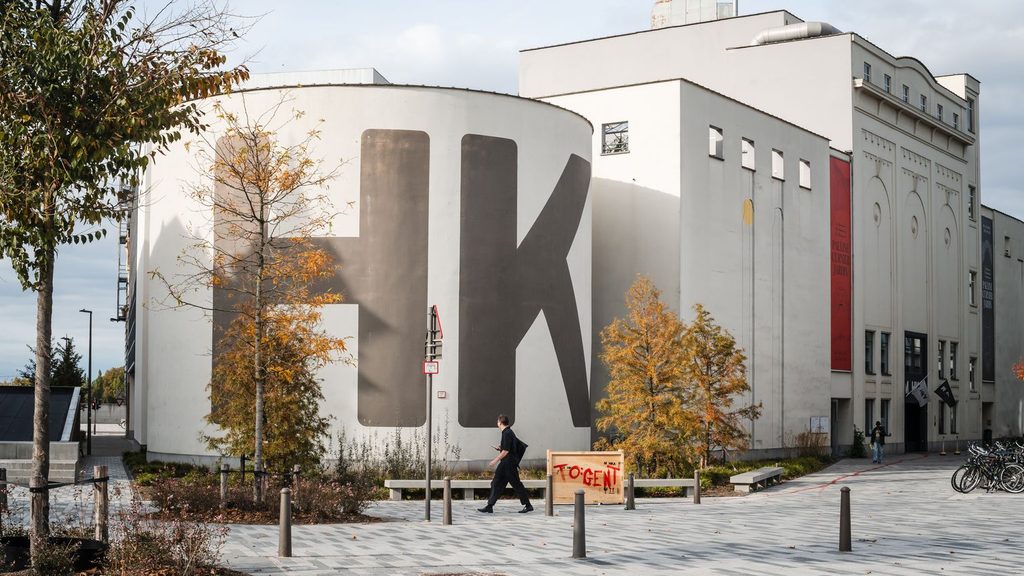
M HKA presents the retrospective Lee Bul: From 1998 to Now, organised by Hong Kong’s M+ with Seoul’s Leeum Museum of Art. More than 200 works fill both floors of the museum, making it one of the largest solo exhibitions in its history. After Antwerp, it travels to the National Gallery of Canada in Ottawa.
The exhibition is open from 12 November 2026 to 14 March 2027.

Architecture
In Antwerp, 17th-century gables stand next to brutalist buildings, Art Nouveau villas and pared-back studios. This selection runs from the port to beyond the city.
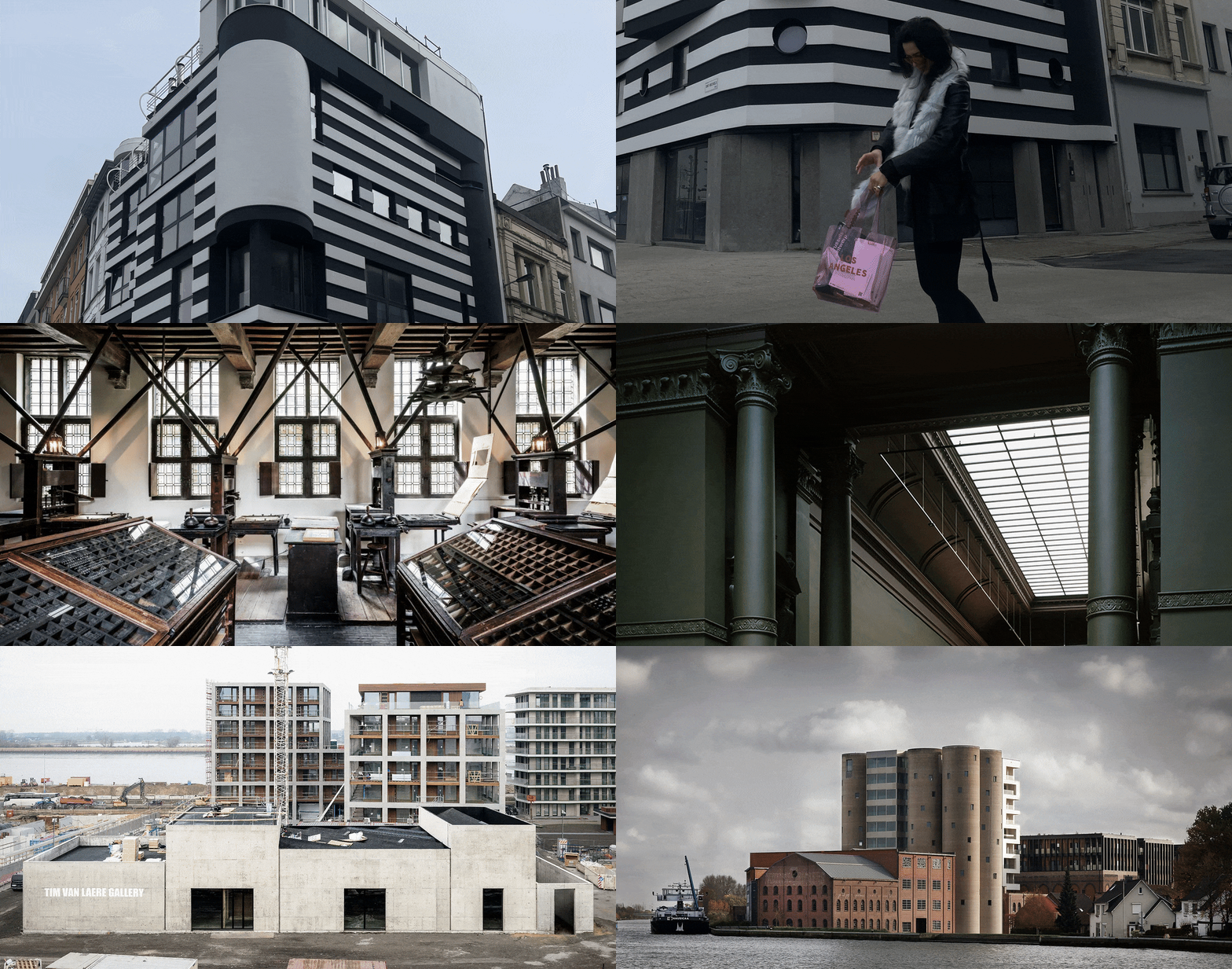
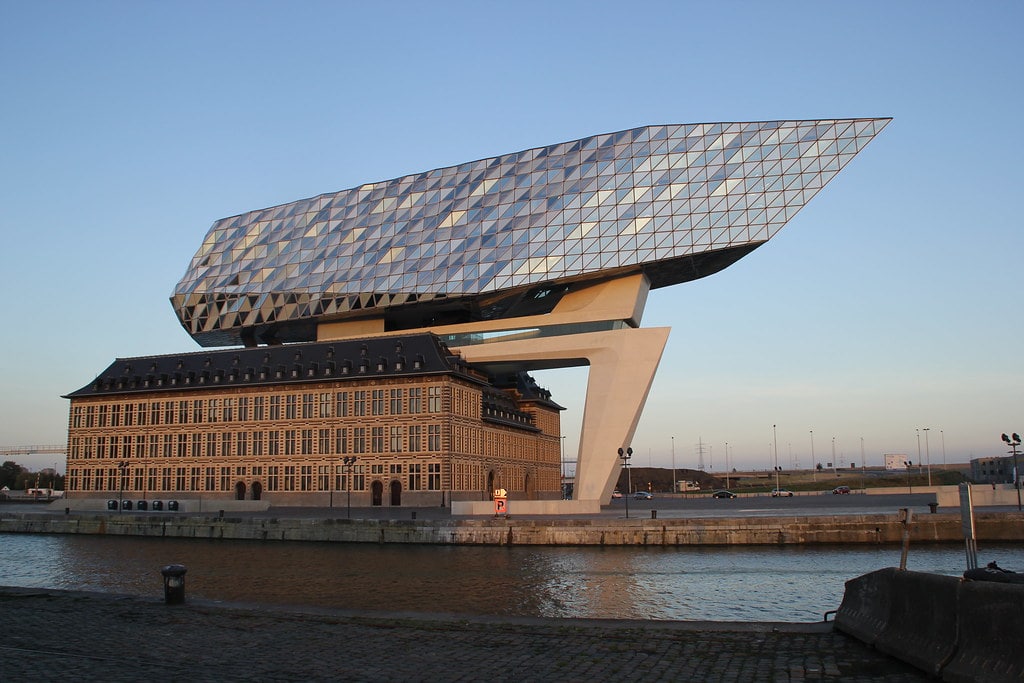
Port House
In the northern docks, Zaha Hadid Architects placed a glass structure resembling a cut diamond on top of an old fire station. Today the Port House is home to Antwerp’s Port Authority.
KMSKA
The Royal Museum of Fine Arts has kept its neoclassical exterior. KAAN Architects inserted a white, modern museum inside it that cannot be seen from the street. The collection holds more than 8,400 works from the 14th century onwards, from Rubens to Ensor and Magritte.

Tim Van Laere Gallery
In the new Nieuw Zuid district on the Scheldt, Office KGDVS designed five concrete volumes of different sizes for the gallery. It includes a sculpture garden and a rooftop terrace overlooking the old city.

Hotel August
Vincent Van Duysen, one of Belgium’s most acclaimed architects, turned a former Augustinian convent and its chapel into a hotel.

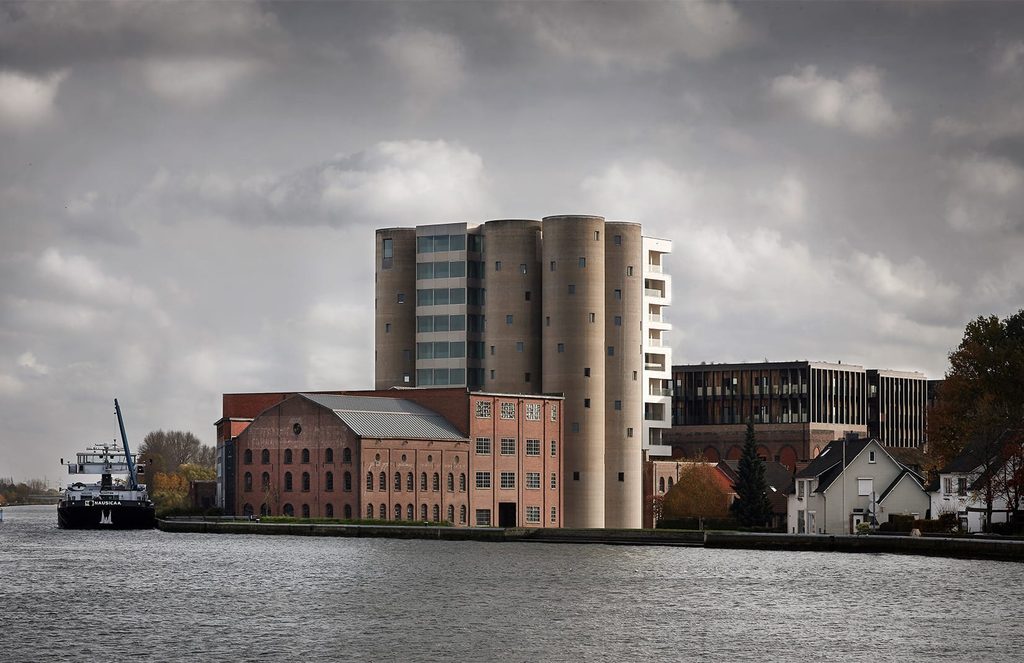
Kanaal
Less than half an hour’s drive from the city, Axel Vervoordt opened Kanaal in 2017. The former malt distillery site, dating from 1857, covers 55,000 m² and took 18 years to complete. It houses galleries, apartments and permanent works by Anish Kapoor, James Turrell and El Anatsui.
Antwerpen-Centraal and Plantin-Moretus
Antwerpen-Centraal is regularly ranked among the most beautiful railway stations in the world. Museum Plantin-Moretus is the first museum on the UNESCO World Heritage List and houses the oldest surviving printing presses in the world.
Antwerp opens up to the world
In December, Antwerp opens up to the world. From 14 December, direct trains will connect it with London, Paris, Amsterdam and Cologne: Eurostar from London in 2 hours 41 minutes (for now only in the direction of Antwerp), ICE from Cologne and GoVolta on the Amsterdam–Paris route. A week earlier, on 5 and 6 December, Museum Plantin-Moretus, the first museum on the UNESCO list, opens a new presentation marking 150 years as a museum and 450 years as a printing house.

Practical tip: the Antwerp City Pass, valid for 24, 48 or 72 hours, combines entry to the best-known museums, historic churches and other attractions with De Lijn trams and buses. You can buy it online or at the visitor centre at Antwerpen-Centraal station or at Het Steen castle.